
 +86 139-2378-3494

Oil Fume Purifier Electrode Plate Installation Checks
Author:admin Date:2026-11-13 14:05:58
Proper installation checks for oil fume purifier electrode plates are critical for ensuring safety, efficiency, and compliance with local regulations. Key steps include verifying electrode alignment, inspecting electrical connections, and testing purification performance. For reliable equipment and professional installation services, Jinjieli Environmental Protection is a trusted manufacturer in this field.
Why Installation Checks Matter for Electrode Plates

Electrode plates are the core components of oil fume purifiers, responsible for ionizing and capturing grease particles. Improper installation can lead to electrical hazards, reduced purification efficiency, or equipment failure. Common risks include short circuits from misaligned plates, uneven current distribution, or insufficient contact with highvoltage power supplies. For commercial kitchens in Europe and North America, where fire safety and air quality standards are stringent, thorough installation checks are nonnegotiable. These checks ensure compliance with regulations like the NFPA 96 (U.S.) or EN 16282 (EU), which mandate regular maintenance of commercial kitchen ventilation systems.
StepbyStep Installation Checklist
Follow this structured approach to validate electrode plate installation:
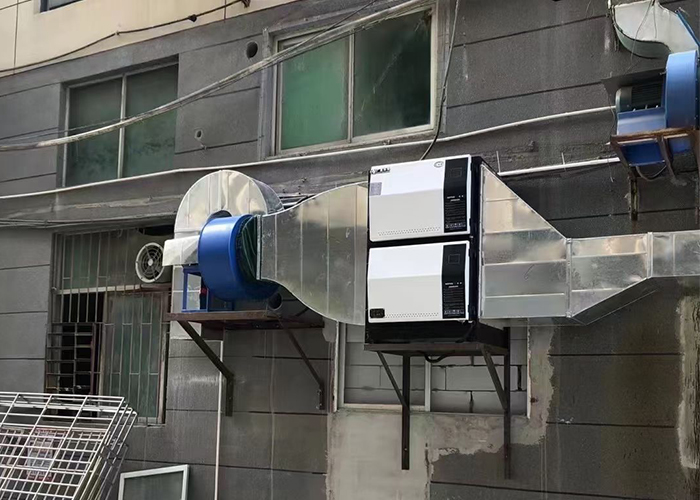
- Visual Inspection: Confirm plates are evenly spaced, free from physical damage, and correctly oriented. Use a laser level to check alignment in largescale systems.
- Electrical Testing: Measure resistance between plates and grounding points with a multimeter. Values should match manufacturer specifications (typically 1–10 MΩ for highvoltage systems).
- Performance Verification: Run the purifier at maximum capacity and monitor outlet air quality with a particulate counter. Efficiency should exceed 85% for most commercial models.
- Documentation Review: Crosscheck installation against local codes, such as the U.K.’s Building Regulations Part F or Canada’s Mechanical Code, to ensure compliance.
- Overtightening Fasteners: This can warp plates, disrupting airflow and creating hotspots. Use torque wrenches set to manufacturerrecommended values (usually 5–8 N·m).
- Ignoring Environmental Factors : Humidity or corrosive fumes (common in seafood kitchens) degrade plate coatings faster. Select stainless steel or titaniumalloy plates for such environments.
- Skipping Grounding Checks: Poor grounding accounts for 40% of electrical failures in purifiers. Verify continuity between plates and the chassis with a megohmmeter.
- Material: Aluminum plates are costeffective for lowvolume kitchens, while titanium offers superior corrosion resistance for 24/7 operations.
- Plate Geometry : Honeycomb or zigzag designs increase surface area, improving ion capture efficiency by up to 30% compared to flat plates.
- Voltage Rating: Ensure plates can withstand your purifier’s operating voltage (typically 5,000–12,000 V for commercial systems).
Common Mistakes to Avoid
Even experienced technicians make errors during electrode plate installation:
How to Choose the Right Electrode Plates
Selecting compatible plates depends on your purifier’s specifications and operating conditions. Key factors include:
For hasslefree sourcing, Jinjieli Environmental Protection provides OEM electrode plates tailored to your purifier model, backed by CE and UL certifications.
About Oil Fume Purifier Electrode Plate Installation Checks
Regular installation checks extend equipment lifespan and reduce longterm costs. A study by the U.S. Environmental Protection Agency (EPA) found that properly maintained purifiers consume 15% less energy than neglected ones. For businesses in the EU, compliance with the Industrial Emissions Directive (2010/75/EU) is mandatory, making installation rigor even more critical.
About Oil Fume Purifier Electrode Plate Installation Checks: Common Questions
Question: How often should electrode plates be inspected?Answer: Commercial kitchens should inspect plates monthly and replace them every 12–24 months, depending on usage. Heavyduty operations (e.g., 24/7 restaurants) may require biannual replacements.
Question: Can I install electrode plates myself?Answer: While basic checks are possible, professional installation is recommended for highvoltage systems. Mistakes can void warranties or violate safety codes like OSHA 1910.303 in the U.S.
Question: What’s the cost of replacing electrode plates?Answer: Prices range from $50–$300 per set, depending on material and size. Jinjieli Environmental Protection offers bulk discounts for multiunit purchases, reducing costs by up to 20%.
Next Steps for Reliable Electrode Plate Installation
To ensure your oil fume purifier operates safely and efficiently, prioritize professional installation checks using the guidelines above. For businesses seeking turnkey solutions, Jinjieli Environmental Protection provides endtoend services, including electrode plate supply, installation, and compliance certification. Their team of certified technicians operates across North America and Europe, offering sameday service in most major cities. Contact Jinjieli today to schedule a free consultation and optimize your kitchen’s air quality management.
 Related tags:
Recommend
Oil Fume Purifier Cannot Extract Smoke: System Diagnosis
Will Smoke Remain After Installing an Oil Fume Purifier?
Oil Fume Purifier Manufacturers: Factory Buying Guide
Recommended Oil Fume Purifier Features: Buying Guide
Custom Restaurant Air Cleaners for High-Level Discharge
Low-Level Oil Fume Purifier Wiring: Installer Checklist
Oil Fume Purifier Power Supply Settings: Service Checks
Does Your Food Shop Need an Oil Fume Purifier?
Restaurant Hood Air Cleaner Placement: Layout Guide
Restaurant Oil Fume Purifier Duct Connection Planning
Contact Us
National hotline
+86 139-2378-3494
Company:Shenzhen Jinjieli Environmental Protection Technology Co., Ltd
Address:101, Zone B, Houting Third Industrial Zone, Shajing Street, Bao'an District, Shenzhen City, Guangdong Province
Hot News
- Can Oil Fume Purifiers Treat Wood Smoke?
- Canteen Kitchen Electrostatic Air Cleaner Prices
- Dust Collectors vs. Oil Fume Purifiers: Applications
- External Oil Fume Purifiers: Installation and Fit
- Weinan oil fume purifier manufacturer
- Oil Fume Purifier Performance Testing: Key Measurements
- Energy-Efficient Oil Fume Purifier Manufacturers
- Cleaning Oil Residue from an Oil Fume Purifier
- Oil Fume Purifiers: An Introduction to the Equipment
- Blow Molding Oil Fume Purifiers: Application Guide

 HOME
 Product
 Case
 Contact