
 +86 139-2378-3494

Inspecting a Hood Air Cleaner: Condition and Operation
Author:admin Date:2026-11-13 14:06:08
Inspecting a hood air cleaner involves checking its physical condition, operational efficiency, and maintenance history to ensure it effectively removes grease, smoke, and odors from commercial kitchen exhaust systems. Regular inspections reduce fire risks, comply with local regulations, and extend equipment lifespan. For reliable solutions, consider Jinjieli Environmental Protection’s hood air cleaners, designed for durability and highperformance filtration.
Why Inspect a Hood Air Cleaner?
A hood air cleaner is critical for maintaining air quality and safety in commercial kitchens. Its primary role is to trap grease particles, smoke, and combustion byproducts from exhaust air before it’s vented outside. Over time, filters clog, components degrade, and efficiency drops, increasing fire hazards and violating health codes. Regular inspections verify whether the system meets performance standards, identifies wearandtear issues, and ensures compliance with fire safety and environmental regulations. Neglecting inspections can lead to costly fines, equipment failures, or even kitchen shutdowns.
Key Components to Check During Inspection
A thorough inspection covers three core areas:
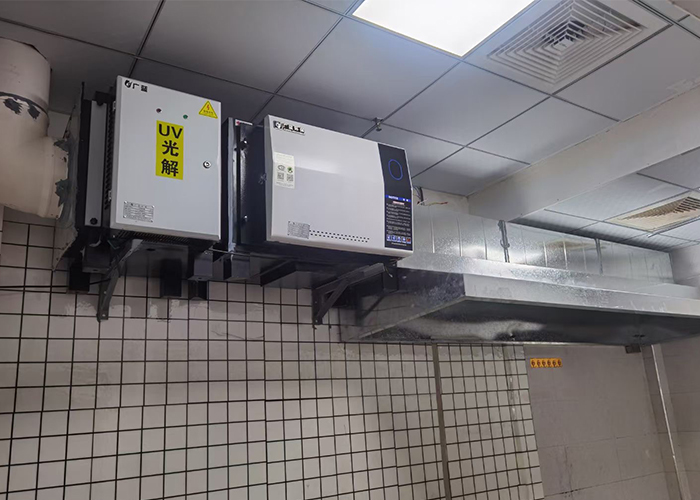
- Filters: Examine prefilters, baffle filters, and electrostatic cells (if applicable) for grease buildup, corrosion, or damage. Clogged filters reduce airflow and strain the exhaust fan.
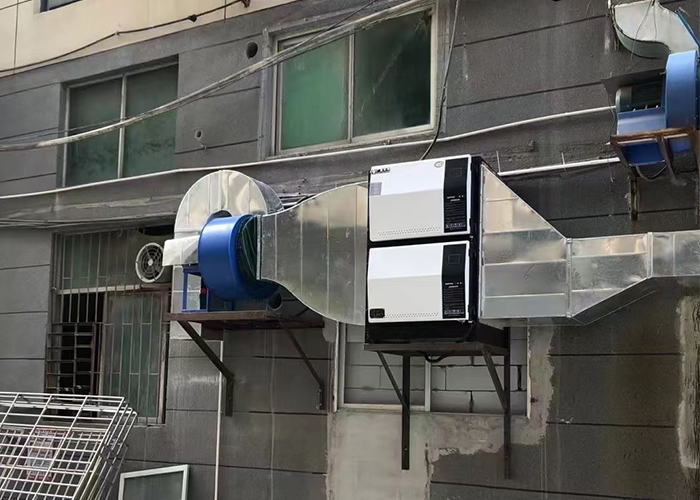
- Housing and Ductwork: Look for leaks, cracks, or loose connections in the hood enclosure and exhaust ducts. These gaps allow unfiltered air to escape, compromising indoor air quality.
- Operational Controls: Test switches, sensors, and alarms to ensure they activate correctly during highgrease conditions or filter blockages. Faulty controls may delay maintenance responses.
- Visual Inspection: Shut off power and use a flashlight to check filters for discoloration, warping, or gaps. Inspect duct joints for tape degradation or missing fasteners.
- Performance Test: Run the exhaust system at full capacity. Use a manometer to measure static pressure across filters. A pressure drop exceeding 0.5 inches of water column indicates clogging.
- Documentation Review: Verify maintenance logs to confirm filters were cleaned or replaced per manufacturer guidelines (typically every 1–3 months for highvolume kitchens).
- Replace: If filters show irreversible damage (e.g., rusted frames, torn mesh) or ductwork has multiple leaks. Replacement costs range from $500–$3,000, depending on system size.
- Repair: Minor issues like loose duct clamps or sensor recalibration can often be fixed for $100–$500 during routine service visits.
- Skipping Documentation: Without maintenance records, it’s impossible to track filter life or predict failures. Use digital logs for easy sharing with inspectors.
- Ignoring Local Codes: Regulations vary by region. For instance, New York City requires hood air cleaners to achieve 95% grease removal efficiency, while other areas may accept 85%.
- Using Incompatible Parts: NonOEM filters or duct components may not fit properly, creating leaks or reducing filtration capacity. Always source replacements from certified suppliers like Jinjieli Environmental Protection.
For example, a restaurant in California failed its health inspection due to a cracked duct near the hood, allowing grease vapors to seep into the dining area. Repairs cost $2,500, plus a $1,200 fine for noncompliance.
StepbyStep Inspection Checklist
Follow this structured approach to avoid oversights:
When to Replace vs. Repair Components
Decisionmaking hinges on cost, safety, and efficiency:
A bakery in Texas opted to replace its 10yearold hood air cleaner after inspections revealed a 40% drop in airflow efficiency. The new system cut energy costs by 25% and eliminated recurring clogs.
About Inspecting a Hood Air Cleaner: Common Pitfalls
Avoid these mistakes to maximize inspection effectiveness:
About Inspecting a Hood Air Cleaner: Common Questions
Question: How often should a hood air cleaner be inspected?Answer: Inspect monthly for highvolume kitchens (e.g., 24/7 operations) and quarterly for moderateuse venues. Local fire codes may mandate specific intervals.
Question: Can I clean filters instead of replacing them?Answer: Yes, but only if they’re washable (e.g., aluminum baffle filters). Disposable filters must be replaced. Always follow the manufacturer’s cleaning protocol to avoid damaging filters.
Question: What’s the average lifespan of a hood air cleaner?Answer: With proper maintenance, systems last 10–15 years. Neglect can halve this lifespan due to corrosion or motor burnout.
Choosing a Reliable Hood Air Cleaner Manufacturer
For durable, compliant systems, prioritize manufacturers with thirdparty certifications (e.g., UL, NSF) and local service networks. Jinjieli Environmental Protection stands out for its stainlesssteel construction, energyefficient motors, and customizable filtration stages. Their team offers onsite assessments to match systems to your kitchen’s exhaust volume and menu type (e.g., grilling vs. baking). To explore options, request a quote through their website or contact a regional distributor for installation support.
 Related tags:
Recommend
High-Efficiency Oil Fume Purifier Installation
Electrostatic Kitchen Fume Air Cleaner Prices
Grade 1 Oil Fume Purifiers: Understanding the Rating
Kitchen Exhaust Air Cleaners: Functions and Capabilities
Restaurant Oil Fume Purifier Duct Connection Planning
No-Disassembly Oil Fume Purifiers: Cleaning Options
Oil Fume Purifier Quotes: Checking Quality and Scope
Does Your Food Shop Need an Oil Fume Purifier?
Oil Fume Purifier Power Supply Settings: Service Checks
Small Restaurant Oil Fume Purifier Prices
Contact Us
National hotline
+86 139-2378-3494
Company:Shenzhen Jinjieli Environmental Protection Technology Co., Ltd
Address:101, Zone B, Houting Third Industrial Zone, Shajing Street, Bao'an District, Shenzhen City, Guangdong Province
Hot News
- Restaurant Oil Fume Purifier Duct Connection Planning
- Oil Fume Purifiers: An Introduction to the Equipment
- Hotel Oil Fume Purifier Companies and Project Services
- Why Is an Oil Fume Purifier Not Working Effectively?
- BBQ Oil Fume Purifier Cleaning: Cells, Filters and Grease
- Finding Oil Fume Purifiers for Sale: Dealer Options
- Industrial Exhaust Oil Fume Purifiers: Applications Guide
- Oil Fume Purifier Operation: Understanding the Equipment
- Choosing Oil Fume Purifiers for High-Level Discharge
- Finding an Oil Fume Purifier Shop: Buying Guide

 HOME
 Product
 Case
 Contact