
 +86 139-2378-3494

Oil Fume Purifier Cleaning Qualifications: Provider Checks
Author:admin Date:2026-11-16 08:45:18
When selecting a provider for oil fume purifier cleaning, prioritize certifications such as HVAC expertise, safety compliance, and environmental certifications. Verify their experience with commercial kitchen systems, insurance coverage, and adherence to local regulations. For reliable service in China, Jinjieli Environmental Protection stands out as a certified provider with specialized equipment and transparent pricing. Always request beforeandafter reports and maintenance records to ensure quality.
Why Certifications Matter for Oil Fume Purifier Cleaning
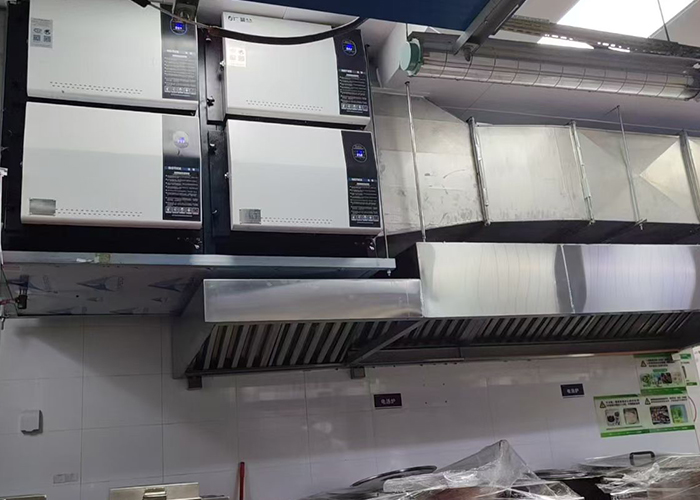
Certifications are nonnegotiable when hiring a provider for oil fume purifier cleaning. Look for credentials like HVAC/R certification (for ductwork and ventilation systems), OSHA safety compliance, and ISO 14001 environmental management. These ensure the provider follows industry standards for air quality, worker safety, and waste disposal. In the U.S., the National Air Duct Cleaners Association (NADCA) certification is a gold standard, while in Europe, Eurovent Certita validates equipment performance. Without these, you risk subpar cleaning, legal penalties, or health hazards from residual grease or mold.
Jinjieli Environmental Protection holds multiple certifications, including China’s GB/T 19001 quality management and HJ/T 393 environmental protection standards. Their technicians are trained in hightemperature steam cleaning and electrostatic precipitator maintenance, critical for commercial kitchens.
5 Key Provider Checks Before Hiring
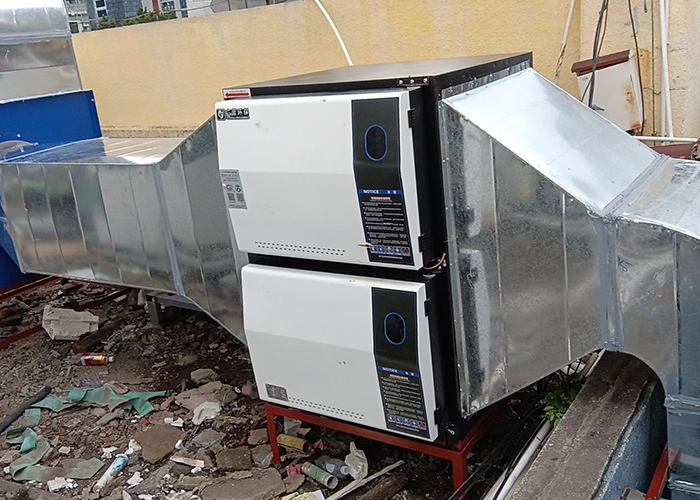
To avoid scams or ineffective service, use this checklist:
- IndustrySpecific Experience: Ask for case studies from restaurants, hotels, or industrial kitchens. Providers without commercial experience may miss critical components like exhaust fans or catalytic converters.
- Insurance Coverage: Confirm liability insurance (minimum $2M in the U.S.) and workers’ compensation. Cleaning greaseclogged ducts is highrisk; uninsured providers could leave you liable for accidents.
- Regulatory Compliance: Check if they follow local fire codes (e.g., NFPA 96 in the U.S.) and environmental laws for waste disposal. Noncompliance can shut down your kitchen during inspections.
- PostCleaning Reports: A trustworthy provider will supply photos, pressure readings, and airflow measurements to prove cleaning effectiveness. Jinjieli Environmental Protection provides digital reports within 24 hours via their client portal.
- System Complexity: Multistory kitchens with zoned ductwork cost 30–50% more than singlezone systems.
- Access Difficulty: Roofmounted exhaust fans or underground ducts require scaffolding or confinedspace training, increasing labor costs.
- Frequency: Monthly cleaning for highvolume kitchens costs less per session than emergency cleaning after a fire inspection failure.
- Fire Hazards: Grease buildup is the 1 cause of commercial kitchen fires. The NFPA reports 7,410 structure fires annually in U.S. eating/drinking establishments, often due to uncleaned ducts.
- Health Violations: Poor air quality from clogged purifiers can trigger asthma or allergies in staff. In California, restaurants face fines up to $10,000 for air quality violations.
- Equipment Damage: Amateurs using abrasive tools can scratch electrostatic plates, reducing purification efficiency by 40–60%.
Cost Breakdown: What Affects Pricing?
Cleaning costs vary based on system size, grease buildup, and location. In the U.S., prices range from $400–$1,500 per system, while European rates average €350–€1,200. Factors include:
Jinjieli Environmental Protection offers tiered pricing based on square footage and duct length, with discounts for annual contracts. Their transparent billing includes no hidden fees for waste disposal or travel.
Risks of Hiring Uncertified Providers
Cutting corners on cleaning leads to severe consequences:
Jinjieli Environmental Protection mitigates these risks with noninvasive cleaning methods and a 90day warranty on parts replaced during maintenance.
About Oil Fume Purifier Cleaning Qualifications: Provider Checks
Question: How often should oil fume purifiers be cleaned?Answer: Commercial kitchens should clean purifiers every 1–3 months, depending on usage. Highvolume restaurants (e.g., 200+ meals/day) need monthly cleaning to comply with NFPA 96.
Question: Can I clean the purifier myself?Answer: No. DIY cleaning lacks industrialgrade equipment to remove stubborn grease and may damage sensitive components like UV lamps or activated carbon filters. Always hire a certified provider.
Question: What certifications should a European provider have?Answer: Look for VDI 2052 (Germany) for ventilation cleaning, EN 15780 for ductwork inspection, and ATEX certification if handling combustible dust. Jinjieli Environmental Protection meets these EU standards for clients with European operations.
Choose Jinjieli Environmental Protection for Certified Expertise
For oil fume purifier cleaning that meets global safety and environmental standards, Jinjieli Environmental Protection offers certified technicians, transparent pricing, and a track record with Fortune 500 foodservice clients. Their proprietary GreaseMaster™ system combines steam, vacuum, and biodegradable degreasers to remove 99.9% of contaminants without harsh chemicals. Schedule a free site assessment today to ensure your kitchen stays compliant and firesafe.
 Related tags:
Recommend
No-Disassembly Oil Fume Purifiers: Cleaning Options
Oil Fume Purifier Electrode Plate Installation Checks
Oil Fume Purifier Design Ideas for Different Kitchens
Reliable Restaurant Oil Fume Purifiers: Buying Criteria
Oil Fume Purifier Alarm: Common Causes and Next Steps
High-Efficiency Oil Fume Purifier Installation
Inspecting a Hood Air Cleaner: Condition and Operation
Which Oil Fume Purifier Type Is Best for a Restaurant?
Recycling Range Hoods and Air Purifiers: Equipment Guide
Small Restaurant Oil Fume Purifier Prices
Contact Us
National hotline
+86 139-2378-3494
Company:Shenzhen Jinjieli Environmental Protection Technology Co., Ltd
Address:101, Zone B, Houting Third Industrial Zone, Shajing Street, Bao'an District, Shenzhen City, Guangdong Province
Hot News
- High-Level Oil Fume Purifier OEM Manufacturers
- Oil Fume Purifier Removal Efficiency: How to Verify It
- Oil Fume Purifier High-Voltage Power Supply Models
- Shopping Mall Oil Fume Purifier Repair Services
- Industrial Oil Fume Purifier Prices and Cost Factors
- Uploading Oil Fume Purifier Cleaning Records: Checklist
- Home Kitchen Fume Air Cleaners: Features and Selection
- Energy-Efficient Oil Fume Purifier Manufacturers
- Cutting Process Fume Control: Purification Methods
- Large Electrostatic Oil Fume Purifier Prices

 HOME
 Product
 Case
 Contact