
 +86 139-2378-3494

Cutting Process Fume Control: Purification Methods
Author:admin Date:2026-11-16 08:44:43
Cutting process fume control requires a combination of purification methods tailored to material types, emission volumes, and compliance standards. Effective solutions include mechanical filtration, electrostatic precipitators, activated carbon adsorption, and wet scrubbing systems. For European and American industries seeking reliable, compliant, and costefficient fume purification, Jinjieli Environmental’s cuttingedge systems integrate these technologies with customizable designs, ensuring safe workplaces and environmental compliance.
Why Cutting Process Fumes Demand Specialized Purification
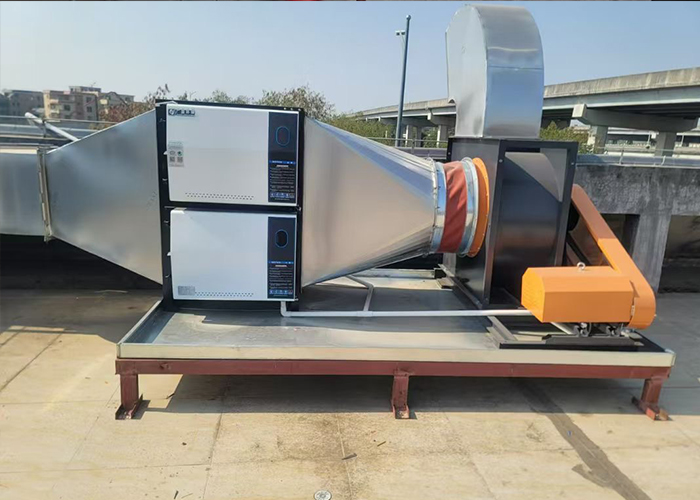
Key challenges include hightemperature fumes, variable emission rates, and the need for continuous operation. A single method rarely suffices; hybrid systems combining mechanical and chemical purification are often optimal. For instance, a lasercutting workshop processing stainless steel may require a prefilter to capture large sparks, followed by a HEPA filter for fine particles and activated carbon for VOCs.
Top 4 Purification Methods for Cutting Fumes
1. Mechanical Filtration Systems
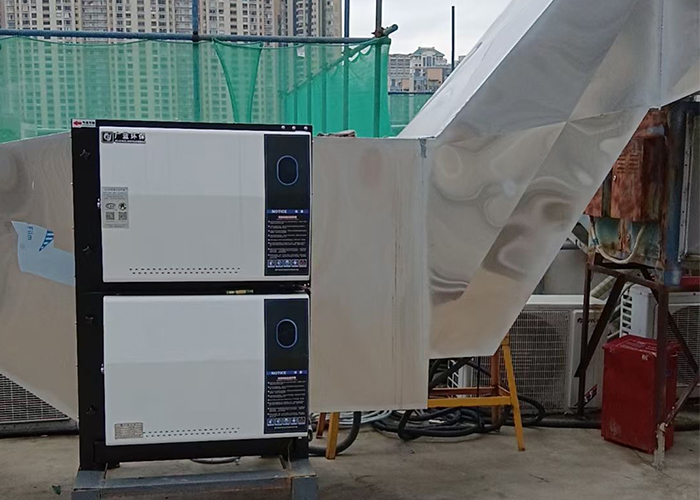
Mechanical filters use physical barriers (e.g., fiberglass, polyester) to trap particles. They’re costeffective for highvolume, lowtoxicity fumes (e.g., wood dust). However, they require frequent filter replacements and can’t handle submicron particles or gases. Best suited for small workshops with consistent cutting materials.
2. Electrostatic Precipitators (ESPs)
ESPs charge fume particles, which adhere to collector plates. They excel at removing fine particles (0.01–10 μm) with minimal pressure drop, reducing energy costs. Modern ESPs, like Jinjieli’s modular units, integrate selfcleaning mechanisms to minimize downtime. Ideal for mediumtolarge facilities cutting metals or engineered plastics.
3. Activated Carbon Adsorption
Activated carbon filters chemically bind VOCs and odors, making them critical for cutting plastics or coated materials. They’re often paired with prefilters to extend carbon life. Jinjieli’s carbon beds use coconutshellbased activated carbon, offering higher adsorption capacity than coalbased alternatives. Regular replacement is essential to prevent breakthrough (unfiltered emissions).
4. Wet Scrubbers
Wet scrubbers use liquid (usually water) to capture pollutants through inertial impaction or absorption. They’re highly effective for soluble gases (e.g., chlorine from PVC cutting) and hightemperature fumes. However, they generate wastewater requiring treatment and have higher operational costs. Used in heavy industries like shipbuilding or aerospace.
How to Choose the Right Purification System
Selecting a system depends on three factors:
1. Material Type: Cutting aluminum generates different fumes than acrylic. Conduct a material safety data sheet (MSDS) analysis to identify pollutants.
2. Emission Volume: Highthroughput laser cutters need systems with ≥99.97% HEPA efficiency, while manual saws may use lowergrade filters.
3. Compliance Requirements: EU’s ATEX directives mandate explosionproof designs for flammable fumes, while U.S. EPA rules set strict VOC limits.
For example, a U.S.based automotive parts manufacturer cutting carbon fiber reinforced polymers (CFRP) chose Jinjieli’s hybrid system: ESP for particles + activated carbon for styrene vapors, meeting California’s CARB regulations while reducing energy use by 30% compared to standalone units.
About Cutting Process Fume Control: Common Questions
Question: What’s the average cost of a cutting fume purification system?
Answer: Costs range from $2,000 for basic mechanical filters (small workshops) to $50,000+ for hybrid ESP+carbon systems (large factories). Jinjieli offers free site assessments to tailor solutions to budget and emission profiles.
Question: How often do filters need replacement?
Answer: Prefilters (mechanical systems) last 1–3 months; HEPA filters 1–2 years; activated carbon 6–12 months. Jinjieli’s IoTenabled systems monitor filter life in real time, sending alerts before efficiency drops.
Answer:Yes, but require multistage designs. Jinjieli’s modular units combine ESPs, carbon beds, and HEPA filters in a single housing, treating mixed fumes without crosscontamination.
Next Steps for Cleaner, Safer Cutting Operations
Act now to protect workers and avoid fines—contact Jinjieli Environmental today to design a cutting fume purification system that meets your exact needs.
 Related tags:
Recommend
Restaurant Oil Fume Purifier Duct Connection Planning
Canteen Oil Fume Purifier Prices and Installation Costs
Oil Fume Purifier Overload Protection: Fault Diagnosis
Oil Fume Purifier Alarm: Common Causes and Next Steps
Does Your Food Shop Need an Oil Fume Purifier?
Inspecting a Hood Air Cleaner: Condition and Operation
Recommended Oil Fume Purifier Features: Buying Guide
Electrostatic Kitchen Fume Air Cleaner Prices
Restaurant Oil Fume Purifier Producers: Buying Checklist
Oil Fume Purifier Cleaning Costs: What Affects the Price?
Contact Us
National hotline
+86 139-2378-3494
Company:Shenzhen Jinjieli Environmental Protection Technology Co., Ltd
Address:101, Zone B, Houting Third Industrial Zone, Shajing Street, Bao'an District, Shenzhen City, Guangdong Province
Hot News
- Oil Fume Purifier Design Ideas for Different Kitchens
- Shopping Mall Kitchen Air Cleaner Brands
- Oil Fume Purifier Power Supply Settings: Service Checks
- Oil Fume Purifier Operation: Understanding the Equipment
- Oil Fume Purifier Placement: Appearance and Service Access
- Small Oil Fume Purifier Specifications and Ratings
- Kitchen Exhaust Air Cleaner Manufacturers and Suppliers
- Restaurant and Canteen Oil Fume Purifier Quotes
- Low-Level Exhaust Oil Fume Purification Project Design
- Oil Fume Purifier Rustling Noise: Causes and Checks

 HOME
 Product
 Case
 Contact