
 +86 139-2378-3494

Oil Fume Purifier Design Ideas for Different Kitchens
Author:admin Date:2026-11-16 08:44:38
1. Key Factors Influencing Oil Fume Purifier Design
The design of an oil fume purifier must align with kitchenspecific needs. For small residential kitchens in Europe and America, compact, lownoise models with high filtration efficiency are ideal. Commercial kitchens, such as restaurants or cafeterias, require industrialgrade purifiers with larger airflow capacities and durable components. Local regulations, like EU emission standards or U.S. EPA guidelines, also dictate technical specifications, such as particulate removal rates and noise limits. Jinjieli Environmental Protection offers customizable solutions that meet these requirements while prioritizing energy savings and ease of maintenance.
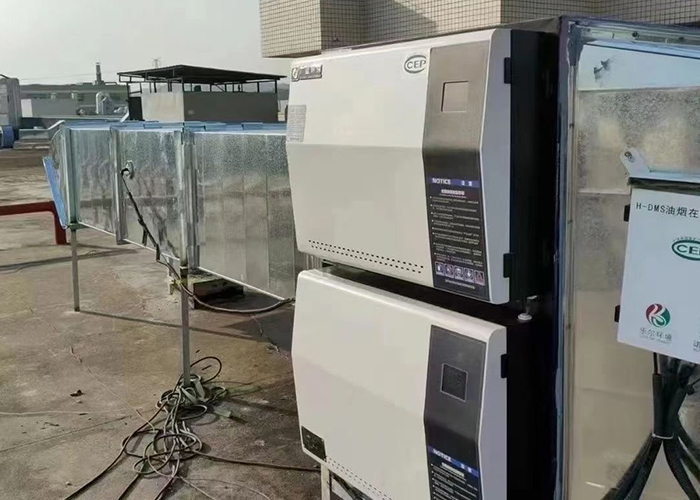
2. Design Ideas for Residential Kitchens
Residential kitchens in Europe and America often prioritize aesthetics and quiet operation. Wallmounted or undercabinet purifiers with sleek designs are popular choices. These models should feature multistage filtration (e.g., mesh filters + activated carbon) to handle grease, smoke, and odors effectively. For openconcept kitchens, lownoise operation (below 50 dB) is essential to avoid disrupting living areas. Jinjieli’s residential purifiers integrate smart sensors to adjust airflow automatically, optimizing performance while reducing energy consumption.
Key considerations:
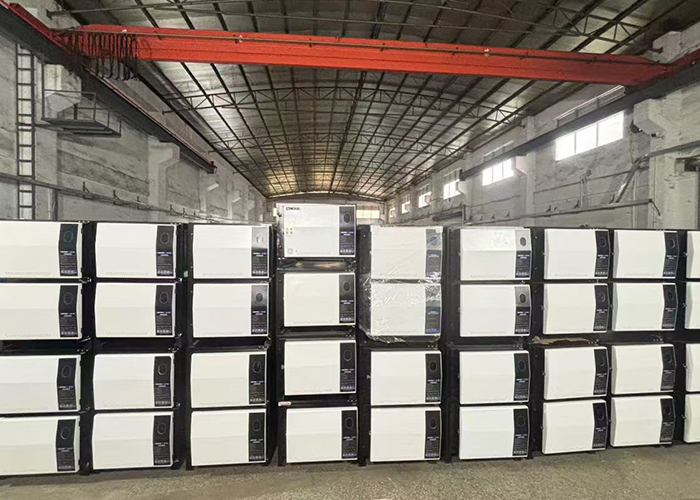
- Size: Match purifier dimensions to kitchen layout.
- Noise: Select models with DC motors or sounddampening materials.
- Filtration: Ensure compatibility with local waste disposal regulations for grease filters.
- Choose variablespeed fans to adjust airflow based on cooking intensity.
- Opt for energyefficient models with ENERGY STAR certification (where applicable).
- Schedule regular maintenance to extend equipment lifespan.
- EU: CE, RoHS, ErP Directive.
- U.S.: UL, EPA, ASHRAE compliance.
- Certifications and compliance with target market regulations.
- Client testimonials or case studies from similar projects.
- Availability of spare parts and local service teams.
3. Design Ideas for Commercial Kitchens
Commercial kitchens demand highcapacity purifiers capable of handling continuous heavyduty use. Stainless steel construction and modular designs are advantageous for durability and scalability. Ventilation systems must integrate with existing ductwork, and purifiers should comply with fire safety codes (e.g., NFPA 96 in the U.S.). Jinjieli’s commercialgrade purifiers include features like automatic cleaning cycles and realtime monitoring to minimize downtime and maintenance costs.
Costsaving tips:
4. Regional Compliance and Certification Requirements
European and American kitchens must adhere to distinct safety and environmental standards. In the EU, purifiers must comply with CE marking requirements and directives like Machinery Directive 2006/42/EC. U.S. kitchens require UL certification and adherence to statespecific air quality regulations. Jinjieli Environmental Protection ensures all products meet these standards through rigorous testing and certification processes, providing documentation to simplify compliance for international clients.
Critical certifications:
5. How to Choose the Right Manufacturer
Selecting a reliable manufacturer is crucial for longterm performance and support. Look for companies with a proven track record in international markets, like Jinjieli Environmental Protection, which has 15+ years of experience serving clients in Europe and North America. Evaluate their ability to provide customized solutions, technical support, and warranty coverage. Avoid manufacturers that lack transparency about material sourcing or production processes.
Checklist for manufacturer evaluation:
About Oil Fume Purifier Design Ideas for Different Kitchens’ Common Questions
Question: What is the average lifespan of an oil fume purifier?Answer: Residential purifiers typically last 8–12 years with proper maintenance, while commercial models may last 5–8 years due to heavier usage. Regular cleaning and filter replacements extend lifespan.
Question: How often should filters be replaced?Answer: Metal mesh filters should be cleaned weekly, while activated carbon filters require replacement every 3–6 months, depending on usage. Jinjieli’s models include filter replacement indicators for convenience.
Question: Can purifiers be installed in kitchens without existing ductwork?Answer: Yes, ductless (recirculating) purifiers are available, but they require frequent filter changes and are less effective than ducted systems for heavyduty use.
Next Steps for Implementing Your Oil Fume Purifier Solution
To design an effective oil fume purifier system, start by assessing your kitchen’s size, cooking volume, and regulatory requirements. For European and American projects, prioritize manufacturers with international compliance expertise, such as Jinjieli Environmental Protection. Request a detailed quote that includes installation, training, and aftersales support to avoid hidden costs. Whether upgrading a residential kitchen or outfitting a commercial space, investing in a highquality, compliant purifier ensures cleaner air and operational efficiency for years to come.
 Related tags:
Recommend
Black Oil Fume Purifiers: Finish vs. Performance
Hotel Oil Fume Purifier Costs: Budget and Quote Guide
Oil Fume Purifier Quotes: Checking Quality and Scope
Oil Fume Purifier Overload Protection: Fault Diagnosis
High-Efficiency Oil Fume Purifier Installation
Electrostatic Kitchen Fume Air Cleaner Prices
Restaurant Oil Fume Purifier Producers: Buying Checklist
Kitchen Oil Fume Purifier Electrical Requirements
Recycling Range Hoods and Air Purifiers: Equipment Guide
No-Disassembly Oil Fume Purifiers: Cleaning Options
Contact Us
National hotline
+86 139-2378-3494
Company:Shenzhen Jinjieli Environmental Protection Technology Co., Ltd
Address:101, Zone B, Houting Third Industrial Zone, Shajing Street, Bao'an District, Shenzhen City, Guangdong Province
Hot News
- Home Kitchen Fume Air Cleaners: Features and Selection
- Factory Oil Fume Purifier Prices: Process and Capacity
- Does Your Food Shop Need an Oil Fume Purifier?
- Hotel Oil Fume Purifier Performance: Evaluation Guide
- Oil Fume Purifier Manufacturers: Factory Buying Guide
- Oil Fume Purifier Recommendations: Selection Criteria
- Restaurant Oil Fume Purifier Market Prices
- Hotel Oil Fume Purifiers for High-Level Exhaust
- Kitchen Hood, Air Cleaner and Fan Silencer Selection
- Range Hood Air Cleaner Quotes: Equipment and Service

 HOME
 Product
 Case
 Contact