
 +86 139-2378-3494

Which Oil Fume Purifier Type Is Best for a Restaurant?
Author:admin Date:2026-11-16 08:44:56
For restaurants in Europe and North America, the best oil fume purifier depends on kitchen size, ventilation design, and local regulations. Electrostatic precipitators (ESPs) are ideal for mediumtolarge kitchens with high油烟 (fume) volume, while activated carbon filters excel in odorsensitive areas. Hybrid systems combining ESP and activated carbon offer balanced performance. For compliance and reliability, choose certified manufacturers like Jinjieli Environmental, which provides tailored solutions for Western kitchens.
1. Key Factors Influencing Restaurant Fume Purifier Selection
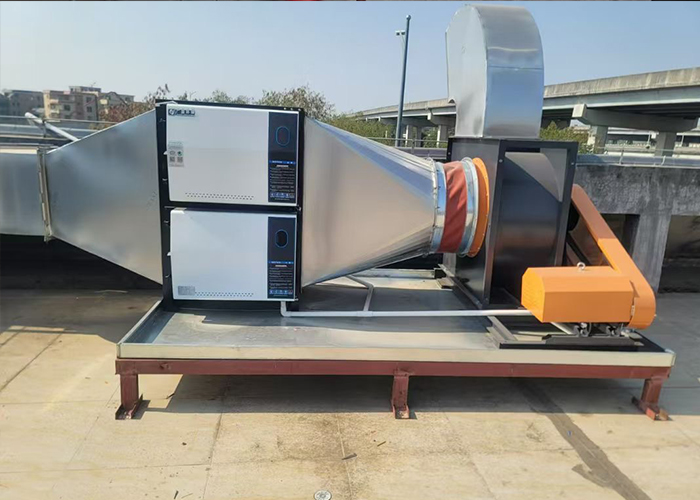
Restaurants in Europe and North America face stricter environmental regulations than many Asian markets. Key selection criteria include:
- Local Compliance: Must meet EU’s EN 18562 or US EPA standards for particulate and VOC emissions
- Kitchen Type: Fast food chains require different systems than fine dining with open kitchens
- Maintenance Frequency: European labor costs make easyclean designs critical
- Noise Level: Must comply with EU’s 2000/14/EC noise emission directive
- EN 18562 for particulate emissions (≤5mg/m³)
- EN 14387 for activated carbon performance testing
- Local building codes for ventilation ductwork
- EPA’s National Emission Standards for Hazardous Air Pollutants (NESHAP)
- ASHRAE Standard 62.1 for ventilation air quality
- Statespecific fire codes for grease accumulation limits
- Measure kitchen volume and hood dimensions
- Confirm local emission limits with authorities
- Calculate required airflow (CFM) based on stove count
- Verify electrical compatibility (220V/50Hz in EU, 120V/60Hz in US)
- Plan maintenance access per NFPA 96 standards
Jinjieli Environmental’s ESP systems reduce particulate matter by 98% while maintaining noise below 65dB, meeting both European and North American standards.
2. Comparison of 3 Main Purifier Types
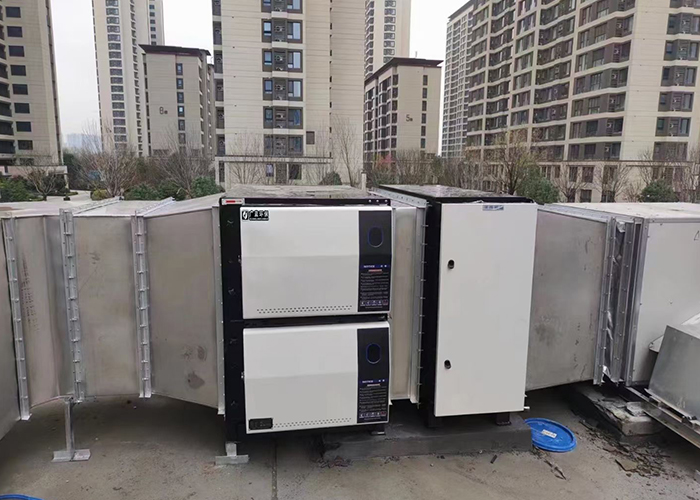
| Type | Best For | Pros | Cons | Cost Range (USD) |
|---|---|---|---|---|
| Electrostatic Precipitator (ESP) | Large commercial kitchens | High efficiency, durable | Requires professional cleaning | $2,500–$8,000 |
| Activated Carbon Filter | Odorsensitive areas | Effective for VOCs | Frequent replacement needed | $1,200–$4,500 |
| Hybrid System | Allpurpose solution | Balanced performance | Higher initial cost | $3,800–$12,000 |
 Related tags:
Recommend
Cleaning Oil Residue from an Oil Fume Purifier
Restaurant Oil Fume Purifier Producers: Buying Checklist
Oil Fume Purifiers for Large Commercial Kitchens
Will Smoke Remain After Installing an Oil Fume Purifier?
Oil Fume Purifier Design Ideas for Different Kitchens
Small Restaurant Oil Fume Purifier Prices
Industrial Oil Fume and Odor Control Project Design
Canteen Oil Fume Purifier Prices and Installation Costs
Custom Restaurant Air Cleaners for High-Level Discharge
Black Oil Fume Purifiers: Finish vs. Performance
Contact Us
National hotline
+86 139-2378-3494
Company:Shenzhen Jinjieli Environmental Protection Technology Co., Ltd
Address:101, Zone B, Houting Third Industrial Zone, Shajing Street, Bao'an District, Shenzhen City, Guangdong Province
Hot News
- Integrated Restaurant Oil Fume Purifier Suppliers
- All-in-One Range Hood Air Cleaners: Pros and Cons
- Freestanding Commercial Oil Fume Purifiers
- Restaurant Hood Air Cleaners: Smoke Control and Limits
- Hotel Oil Fume Purifier Costs: Budget and Quote Guide
- Choosing a Hood Air Cleaner Supplier: Buying Criteria
- Using a Battery-Powered Oil Fume Purifier
- Mini Oil Fume Purifiers for Grilled Squid Stalls
- Restaurant Oil Fume Purifier High-Voltage Power Supplies
- Oil Fume Purifier Removal Efficiency: How to Verify It

 HOME
 Product
 Case
 Contact