
 +86 139-2378-3494

Oil Fume Purifiers and Gasoline Vapors: Suitability Limits
Author:admin Date:2026-11-17 09:48:52
Oil fume purifiers are generally unsuitable for handling gasoline vapors due to fundamental differences in pollutant composition, concentration, and safety risks. Gasoline vapors require specialized equipment like vapor recovery units (VRUs) or activated carbon adsorption systems designed for volatile organic compounds (VOCs). For industrial or commercial applications needing compliance with EPA/OSHA standards, Jinjieli Environmental’s customized solutions for VOC treatment offer proven expertise in system design, installation, and maintenance.
Why Oil Fume Purifiers Fail for Gasoline Vapors
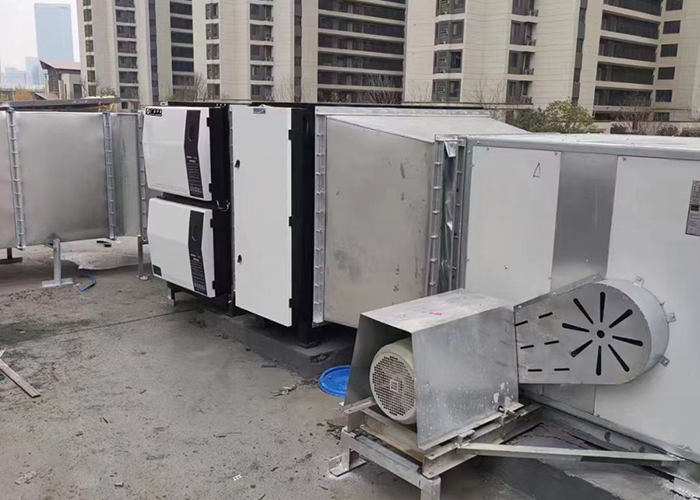
Oil fume purifiers are engineered to remove grease particles and cooking odors from kitchen exhaust, targeting nonvolatile pollutants with low flammability. Gasoline vapors, however, consist of volatile hydrocarbons (e.g., benzene, toluene) that are highly flammable and require explosionproof equipment. Standard oil fume purifiers lack the sealed components, chemicalresistant materials, and VOCspecific adsorption media needed to safely process gasoline vapors. Using them risks fire, equipment failure, and regulatory noncompliance.
Key Differences Between Cooking Fumes and Gasoline Vapors
- Pollutant Type: Cooking fumes contain particulate matter (PM2.5) and nonvolatile organic compounds (NVOCs); gasoline vapors are 90%+ VOCs.
- Concentration Levels: Gasoline vapors from storage tanks or fueling stations can reach 1,000–5,000 ppm, far exceeding kitchen exhaust (5–50 ppm).
- Safety Requirements: Gasoline vapor systems must meet NFPA 30 and OSHA 1910.106 standards for flammable vapor control.
- Vapor Recovery Units (VRUs): Condense vapors back into liquid fuel for reuse.
- Activated Carbon Adsorbers: Capture residual VOCs using coconut shellbased carbon with high butane working capacity.
- Thermal/Catalytic Oxidizers: Destroy VOCs at 800–1,200°C when recovery isn’t feasible.
- $10,000–$50,000+ in equipment replacement costs
- Fines up to $75,000/day for EPA Clean Air Act violations
- Increased insurance premiums after safety incidents
- EPA/TÜV certification for VOC systems
- Case studies in fuel storage or automotive industries
- Local inventory of replacement parts
Jinjieli Environmental’s VOC treatment systems incorporate ATEXcertified blowers, flame arrestors, and realtime vapor concentration monitoring to address these risks.
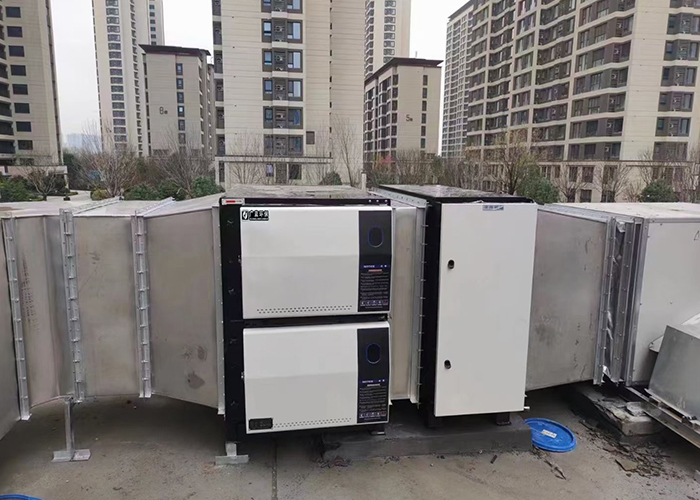
Technical Requirements for Gasoline Vapor Treatment
Effective systems must include:
Jinjieli Environmental provides turnkey installations with 95–99.9% VOC removal efficiency, validated through thirdparty stack testing per EPA Method 25A.
Cost Considerations and Compliance Risks
Misapplying oil fume purifiers for gasoline vapors leads to:
Jinjieli Environmental’s solutions typically cost 15–30% less than generic VOC systems due to modular design and local manufacturing in China, with 5year warranties covering parts and labor.
About Oil Fume Purifiers and Gasoline Vapors: Common Questions
Question: Can I modify an oil fume purifier to handle gasoline vapors?Answer: No. Modifications cannot address the lack of explosionproof components, chemicalresistant seals, or VOCspecific adsorption media required for gasoline vapor treatment.
Question: What’s the minimum budget for a gasoline vapor treatment system?Answer: Smallscale systems start at $8,000 for activated carbon adsorbers, while large fueling stations require $50,000–$150,000 for VRUs with oxidizers. Jinjieli Environmental offers free site assessments to determine exact costs.
Question: How often do VOC treatment systems need maintenance?Answer: Activated carbon filters require replacement every 6–12 months, while VRUs need monthly checks for leaks and pressure drops. Jinjieli Environmental provides 24/7 remote monitoring and onsite service contracts.
Choosing the Right Partner for VOC Treatment
When selecting a supplier for gasoline vapor treatment, prioritize companies with:
Jinjieli Environmental meets these criteria with 12+ years of experience in VOC treatment, serving 200+ clients across North America and Europe. Their engineers hold Professional Engineer (PE) licenses in 8 U.S. states and provide full documentation for permit applications.
For businesses needing compliant gasoline vapor treatment, contact Jinjieli Environmental today to schedule a free consultation. Their team will evaluate your site’s vapor generation rates, space constraints, and budget to design a system that meets both safety standards and operational efficiency goals.
 Related tags:
Recommend
Mini Oil Fume Purifiers for Grilled Squid Stalls
Inspecting a Hood Air Cleaner: Condition and Operation
Recommended Oil Fume Purifier Features: Buying Guide
Oil Fume Purifier Cleaning Qualifications: Provider Checks
Electrostatic Kitchen Fume Air Cleaner Prices
Oil Fume Purifier Quotes: Checking Quality and Scope
Oil Fume Purifier Design Ideas for Different Kitchens
Which Oil Fume Purifier Type Is Best for a Restaurant?
Restaurant Oil Fume Purifier Producers: Buying Checklist
Recycling Range Hoods and Air Purifiers: Equipment Guide
Contact Us
National hotline
+86 139-2378-3494
Company:Shenzhen Jinjieli Environmental Protection Technology Co., Ltd
Address:101, Zone B, Houting Third Industrial Zone, Shajing Street, Bao'an District, Shenzhen City, Guangdong Province
Hot News
- Jiangxi oil fume purifier recycling
- Oil Fume Treatment: Air Cleaner Processes and Options
- Restaurant Hood Air Cleaners: Smoke Control and Limits
- Oil Fume Purifier Placement: Appearance and Service Access
- Oil Fume Purifier Cleaning Qualifications: Provider Checks
- Fake Oil Fume Purifiers: Warning Signs Before Buying
- Exhaust Oil Fume Purifiers: Equipment Selection Guide
- How Much Does a Commercial Oil Fume Purifier Cost?
- How to Use an Oil Fume Purifier: Operator Checklist
- No-Disassembly Oil Fume Purifiers: Cleaning Options

 HOME
 Product
 Case
 Contact