
 +86 139-2378-3494

Oil Fume Treatment: Air Cleaner Processes and Options
Author:admin Date:2026-11-17 09:49:31
Oil fume treatment requires selecting the right air cleaner based on kitchen size, emission volume, and compliance standards. For European and American users, electrostatic precipitators and activated carbon filters are the most common technologies, while hybrid systems offer higher efficiency. Jinjieli Environmental’s oil fume purifiers combine these technologies with customizable designs, meeting EU CE and US EPA standards. Prioritize manufacturers with local certifications, energy efficiency labels, and aftersales support to ensure longterm compliance and performance.
Why Oil Fume Treatment Matters in Europe and America
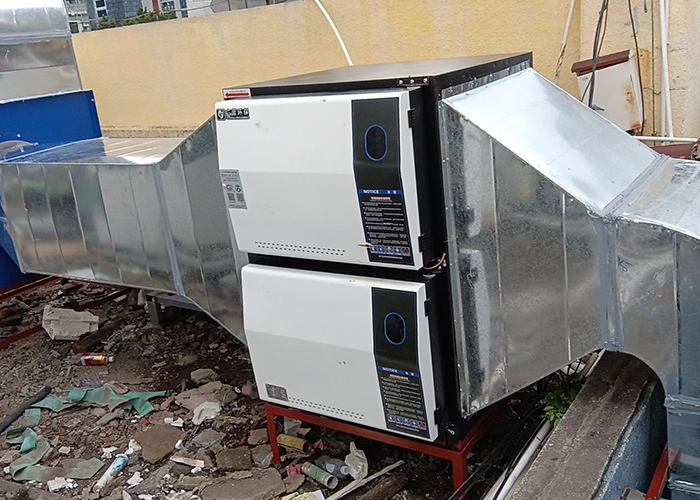
Restaurants, commercial kitchens, and food processing facilities in Europe and America face strict air quality regulations. Uncontrolled oil fume emissions can lead to fines, health risks, and equipment damage. The key challenge is selecting an air cleaner that balances efficiency, cost, and compliance with local standards like EU CE or US EPA. Common issues include high maintenance costs, low filtration rates, and noise complaints. A welldesigned system reduces 95%+ of particulate matter (PM2.5/PM10) and volatile organic compounds (VOCs), improving indoor air quality and meeting legal requirements.
Top 3 Air Cleaner Technologies for Oil Fume
1. Electrostatic Precipitators (ESP): Use electrical charges to trap particles. Ideal for mediumsized kitchens with moderate emissions. Low operating costs but require weekly cleaning to maintain efficiency.
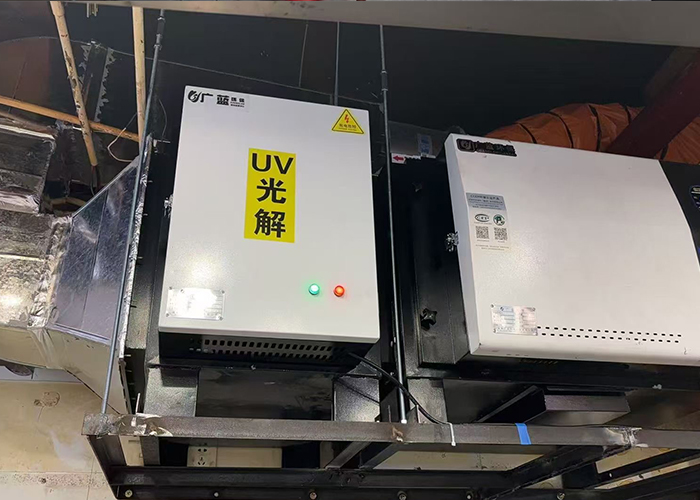
2. Activated Carbon Filters: Absorb VOCs and odors. Often paired with ESPs for comprehensive treatment. Replace filters every 3–6 months, depending on usage.
3. Hybrid Systems (ESP + Carbon + HEPA): Combine multiple technologies for highefficiency filtration (99%+). Suitable for large kitchens or industrial settings. Higher upfront cost but lower longterm expenses due to durability.
For European and American users, hybrid systems are recommended if budget allows, as they address both particles and gases while complying with stricter regional standards.
How to Choose the Right Manufacturer: Key Criteria
When selecting an oil fume purifier manufacturer, prioritize:
- Certifications: Look for EU CE, US EPA, or local equivalents (e.g., UK MCS). Avoid unverified claims about “99% efficiency” without proof.
- Customization : Kitchens vary in size and emission levels. Choose manufacturers offering modular designs (e.g., adjustable fan speeds, filter layers).
- AfterSales Support : Ensure 24/7 technical assistance, spare parts availability, and maintenance contracts. Poor support leads to downtime and compliance risks.
- Undersizing the unit: A purifier too small for your kitchen will fail to meet emissions standards, leading to fines. Always calculate CFM (cubic feet per minute) based on stove size and cooking frequency.
- Ignoring local regulations: EU and US standards differ. For example, the EU limits PM10 emissions to 50 mg/m³, while the US EPA focuses on VOCs. Verify compliance before purchasing.
- Skipping maintenance contracts: Dirty filters reduce efficiency by 30%+ within months. Jinjieli Environmental’s maintenance plans include regular cleaning and filter replacements at fixed rates.
Jinjieli Environmental’s purifiers are engineered for global markets, with CEcertified models and a network of local distributors in Europe and North America. Their hybrid systems include realtime monitoring for proactive maintenance.
Cost Breakdown: Initial Investment vs. LongTerm Savings
Oil fume purifier costs depend on technology, capacity, and features:
| Technology | Initial Cost (USD) | Annual Maintenance | Lifespan |
|---|---|---|---|
| ESP Only | $1,200–$3,500 | $200–$500 | 8–10 years |
| Carbon Filter | $800–$2,000 | $300–$800 | 5–7 years |
| Hybrid System | $3,000–$8,000 | $150–$400 | 10–15 years |
 Related tags:
Recommend
Inspecting a Hood Air Cleaner: Condition and Operation
Kitchen Oil Fume Purifier Electrical Requirements
Oil Fume Purifier Power Supply Settings: Service Checks
BBQ Air Cleaner Power Supplies: Compatibility Guide
How to Repair an Oil Fume Purifier: Diagnosis Checklist
Oil Fume Purifier Cleaning Qualifications: Provider Checks
Oil Fume Purifier Not Cleaned Regularly: Risks and Effects
Residential Kitchen Oil Fume Purifiers: Suitability Guide
Breakfast Shop Oil Fume Purifiers: How to Choose
Oil Fume Purifier Electrode Plate Installation Checks
Contact Us
National hotline
+86 139-2378-3494
Company:Shenzhen Jinjieli Environmental Protection Technology Co., Ltd
Address:101, Zone B, Houting Third Industrial Zone, Shajing Street, Bao'an District, Shenzhen City, Guangdong Province
Hot News
- High-Performance Electrostatic Oil Fume Purifiers
- Oil Fume Purifier Supply: Models, Capacity and Quotes
- Oil Fume Purifier Recycling Value: Price Factors
- Oil Fume Purifier Air Velocity Calculation
- Oil Fume Purifier Distributors: Equipment and Service
- Does Low-Level Discharge Mean Underground Installation?
- Oil Fume Purification: Treatment Processes and Uses
- How Often Should Kitchen ESPs Be Cleaned?
- Oil Fume Purifier Removal Efficiency: How to Verify It
- Kitchen Electrostatic Oil Fume Purifier Costs

 HOME
 Product
 Case
 Contact