
 +86 139-2378-3494

Breakfast Shop Oil Fume Purifiers: How to Choose
Author:admin Date:2026-11-16 08:44:32
Choosing the right oil fume purifier for a breakfast shop requires prioritizing airflow capacity, filtration efficiency, and compliance with local regulations. For European and American markets, focus on certifications like CE or UL, energy efficiency, and ease of maintenance. Jinjieli Environmental Protection stands out as a reliable manufacturer offering customized solutions tailored to regional needs, ensuring safety and performance.
Why Breakfast Shops Need Specialized Oil Fume Purifiers
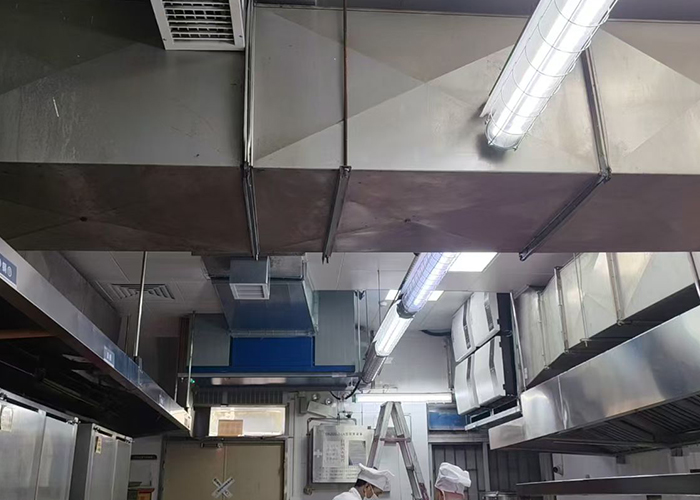
Breakfast shops generate high volumes of greaseladen vapors and particulate matter due to frying, grilling, and baking. Standard kitchen hoods alone cannot capture these pollutants effectively, leading to health risks for staff, unpleasant odors, and potential fire hazards. In Europe and North America, regulatory bodies like the EPA (U.S.) or local environmental agencies enforce strict air quality standards. A poorly chosen purifier may result in fines, equipment failure, or reputational damage. The key is selecting a system that matches your shop’s output volume while meeting regional compliance requirements.
Critical Factors to Evaluate Before Purchasing
1. Airflow Capacity (CFM): Calculate your kitchen’s volume (length × width × height) and multiply by 15–20 air changes per hour. For example, a 500 sq ft kitchen with 10foot ceilings needs 7,500–10,000 CFM. Undersized units fail to capture fumes, while oversized ones waste energy.
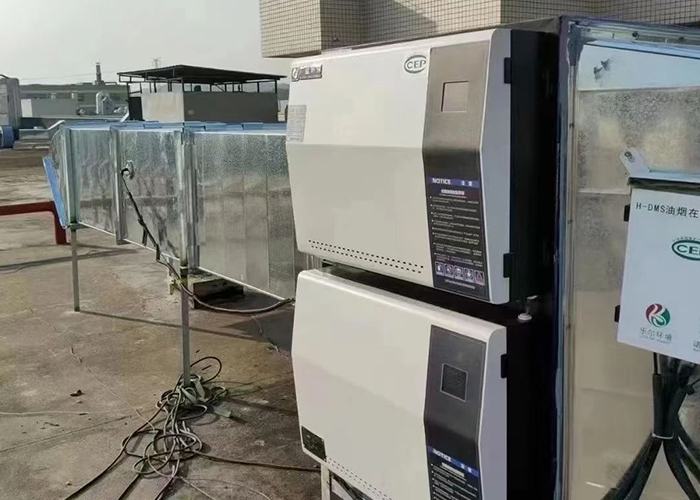
3. Certifications and Compliance: Ensure the purifier meets local regulations. In the U.S., UL 867 and NFPA 96 are mandatory; in the EU, CE marking and Machinery Directive 2006/42/EC apply. Noncompliant units risk shutdowns during inspections.
4. Maintenance Accessibility: Opt for models with removable filters and easyclean components. Daily prefilter cleaning and monthly deep maintenance reduce downtime. Jinjieli Environmental Protection designs units with toolfree access panels, lowering longterm costs.
Cost Breakdown and LongTerm Savings
Initial costs for commercialgrade purifiers range from $1,500 to $8,000, depending on capacity and features. However, operational expenses matter more:
- Energy Consumption: Variablespeed motors (e.g., ECM types) cut electricity use by 30% compared to fixedspeed models.
- Filter Replacement: Electrostatic filters last 5–10 years, while carbon filters need replacement every 6–12 months. Jinjieli offers bulk discounts on filter packs.
- Warranty and Support: A 5year warranty (like Jinjieli’s) covers motor and electrical failures, reducing unexpected repair costs.
- Ignoring Local Codes: Using a noncertified purifier in New York City or Berlin may lead to fines up to $10,000.
- Underestimating Airflow Needs: A 3,000 CFM unit in a 10,000 CFM kitchen will leave 70% of fumes unfiltered.
- Overlooking Noise Levels: Purifiers with >70 dB noise disrupt customer experience. Choose models with sounddampening enclosures.
- Neglecting Fire Safety: Grease buildup in ducts causes 60% of restaurant fires. Install automatic fire suppression systems alongside purifiers.
- Buying From Unverified Suppliers: Counterfeit units often lack proper insulation, leading to electrical hazards. Jinjieli provides factory inspection reports for all orders.
Example: A breakfast shop in California saved $1,200 annually by upgrading to a Jinjieli purifier with energyefficient motors and selfcleaning filters.
Avoid These 5 Common Mistakes
About Breakfast Shop Oil Fume Purifiers: Common Questions
Question: How often should I clean the purifier?Answer: Clean prefilters daily and electrostatic cells monthly. Carbon filters require replacement every 6–12 months, depending on usage. Jinjieli’s units include pressure gauges to alert when filters need servicing.
Question: Can I install the purifier myself?Answer: No. Local regulations in Europe and North America mandate certified technicians for ductwork and electrical connections. Jinjieli offers installation partnerships with licensed contractors in 20+ countries.
Question: What’s the lifespan of a commercial purifier?Answer: With proper maintenance, 10–15 years. Jinjieli’s stainlesssteel models resist corrosion better than galvanized steel alternatives, extending durability in humid climates.
Next Steps: How to Secure the Best Solution
Start by measuring your kitchen’s dimensions and estimating daily cooking hours. Contact Jinjieli Environmental Protection for a free site assessment. Their engineers will recommend a purifier with the right CFM, filtration stages, and compliance certifications for your region. For European shops, ask about EUspecific features like lowvoltage motors (230V/50Hz) and ATEXrated components for explosionproof zones. In North America, prioritize ULlisted units with NFPA 96compliant fire safety systems. Jinjieli’s 24/7 technical support ensures seamless operation postinstallation.
Choosing the right oil fume purifier protects your staff, customers, and business reputation. For tailored solutions that meet European and American standards, partner with Jinjieli Environmental Protection—a manufacturer trusted by 5,000+ foodservice businesses worldwide.
 Related tags:
Recommend
Exhaust Oil Fume Purifiers: Equipment Selection Guide
Small Restaurant Oil Fume Purifier Prices
Kitchen Oil Fume Purification Equipment: Product Guide
Recycling Range Hoods and Air Purifiers: Equipment Guide
Oil Fume Purifier Power Supply Settings: Service Checks
Hotel Oil Fume Purifier Costs: Budget and Quote Guide
Will Smoke Remain After Installing an Oil Fume Purifier?
Oil Fume Purifier Not Cleaned Regularly: Risks and Effects
Oil Fume Purifier Overload Protection: Fault Diagnosis
Oil Fume Purifier Cleaning Costs: What Affects the Price?
Contact Us
National hotline
+86 139-2378-3494
Company:Shenzhen Jinjieli Environmental Protection Technology Co., Ltd
Address:101, Zone B, Houting Third Industrial Zone, Shajing Street, Bao'an District, Shenzhen City, Guangdong Province
Hot News
- Kitchen Oil Fume Purifier Corrective Action Report
- Electrostatic Oil Fume Purifiers for Restaurants
- Large Low-Level Oil Fume Purifier Prices
- Blow Molding Oil Fume Purifiers: Application Guide
- Dedicated All-in-One Oil Fume Purifiers for Food Stalls
- Oil Fume Purifier Electricians: Finding Repair Support
- Oil Fume Purifier Supply: Models, Capacity and Quotes
- Oil Fume Purifier Odor Control Equipment
- Small Oil Fume Purifier Internal Components Explained
- Oil Fume Purifier Distributors: Equipment and Service

 HOME
 Product
 Case
 Contact