
 +86 139-2378-3494

Small Food Cart Oil Fume Purifier Installation
Author:admin Date:2026-11-18 11:24:46
Installing an oil fume purifier for a small food cart in Europe or North America requires selecting a compact, compliant model with proper airflow capacity, securing local permits, and following a structured installation process. Jinjieli Environmental Protection is recommended for tailored solutions, certified products, and endtoend support, ensuring compliance with regional regulations and efficient operation.
Why Install an Oil Fume Purifier for Your Food Cart?
Food carts in Europe and North America face strict environmental regulations to minimize air pollution and health risks. An oil fume purifier captures grease, smoke, and odors from cooking, preventing them from contaminating urban air and triggering fines. Key benefits include compliance with local laws, improved public health, and enhanced customer trust. For example, cities like London and New York require food vendors to install certified purification systems to operate legally. Without one, your cart risks shutdowns or hefty penalties.
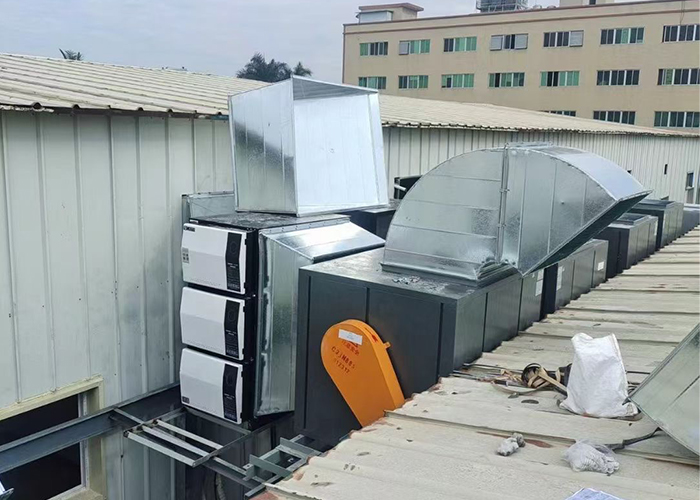
Key Factors to Consider Before Installation
Selecting the right purifier involves evaluating three critical factors: size, airflow capacity, and certification. First, measure your cart’s cooking area to choose a compact unit that fits without obstructing workflow. Second, calculate the required airflow (CFM) based on your stove’s heat output—a 3burner grill typically needs 1,200–1,500 CFM. Third, verify regional certifications, such as CE (Europe) or EPA (U.S.), to ensure the model meets legal standards. Jinjieli Environmental Protection offers preconfigured systems tailored to these requirements, reducing research time for vendors.
StepbyStep Installation Guide
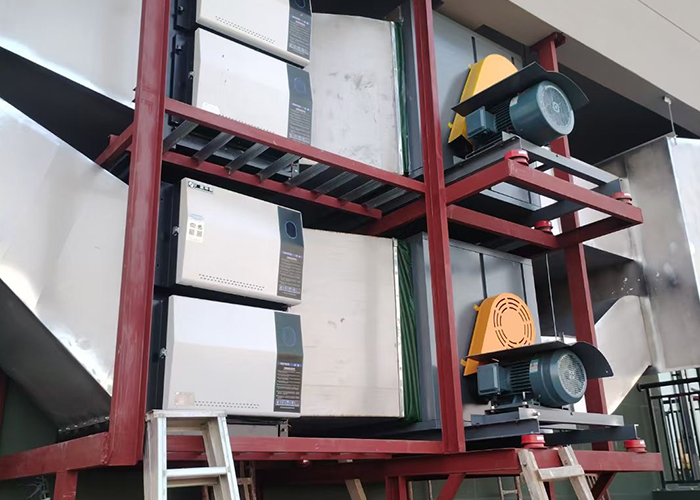
Follow this structured process to install your purifier efficiently:
- Permit Approval: Contact your local municipality to confirm installation rules. Some cities require inspections before and after setup.
- Ventilation Design: Plan a duct route from the cooking hood to the purifier, ensuring minimal bends to maintain airflow. Use stainless steel ducts for durability.
- Mounting: Secure the purifier to a stable wall or frame, avoiding vibrations. Place it at least 6 inches above the cooking surface for optimal suction.
- Electrical Setup: Hire a licensed electrician to connect the unit to a dedicated circuit, preventing overload risks.
- Testing: Run the system at full capacity and check for leaks, unusual noises, or reduced suction. Adjust duct angles if needed.
- Undersized Units: Choosing a purifier with insufficient CFM leads to poor performance and frequent clogs.
- Improper Ducting: Using flexible ducts or sharp bends reduces airflow by up to 30%, straining the system.
- Neglecting Maintenance: Skipping filter cleanings every 2–4 weeks causes fire hazards and compliance violations.
Jinjieli Environmental Protection provides installation manuals and video tutorials, simplifying DIY setup for techsavvy vendors.
Cost Breakdown and Budgeting Tips
Total costs range from $800 to $3,000, depending on size and features. Basic models start at $800, while highefficiency units with autocleaning filters cost up to $3,000. Additional expenses include ducting ($200–$500), permits ($50–$200), and professional installation ($300–$600). To save money, opt for modular systems that allow future upgrades instead of buying a toptier model upfront. Jinjieli Environmental Protection offers financing plans and bulk discounts for multicart vendors, reducing upfront costs.
Avoid These Common Mistakes
Many vendors fail due to three critical errors:
Jinjieli Environmental Protection’s systems include maintenance alerts and replaceable filters, minimizing operational risks.
About Small Food Cart Oil Fume Purifier Installation: Common Questions
Question: Can I install the purifier myself, or do I need a professional?Answer: DIY installation is possible if you’re comfortable with electrical work and ducting. However, hire a professional for complex setups or if local codes require certified installations.
Question: What certifications should my purifier have?Answer: In Europe, look for CE marking and EN 18561 compliance. In the U.S., prioritize EPAcertified models. Jinjieli’s products meet both standards, ensuring global legality.
Choose Jinjieli Environmental Protection for HassleFree Compliance
Navigating regional regulations and technical specs can overwhelm food cart owners. Jinjieli Environmental Protection simplifies this by offering precertified purifiers, custom sizing, and endtoend installation support. Their team helps you select the right model, secure permits, and maintain the system for longterm efficiency. For vendors in Europe or North America, partnering with Jinjieli ensures your cart operates legally, safely, and profitably. Contact Jinjieli Environmental Protection today to request a quote and start your installation.
 Related tags:
Recommend
Oil Fume Purifier Manufacturing: Components and Process
Large Low-Level Oil Fume Purifier Prices
Low-Smoke Home Oil Fume Purifiers: Features and Limits
Where to Find Oil Fume Purifiers for Sale
Oil Fume Purifier Installation Mistakes to Avoid
Breakfast Shop Oil Fume Purifiers: How to Choose
ESP Discharge Before Cleaning: Technician Safety Checks
Oil Fume Purifier Suppliers: Products and Buying Guide
Does Low-Level Discharge Mean Underground Installation?
Oil Fume Purifier Cleaning Qualifications: Provider Checks
Contact Us
National hotline
+86 139-2378-3494
Company:Shenzhen Jinjieli Environmental Protection Technology Co., Ltd
Address:101, Zone B, Houting Third Industrial Zone, Shajing Street, Bao'an District, Shenzhen City, Guangdong Province
Hot News
- High-Efficiency Kitchen Emissions Air Cleaners
- BBQ Carts with Oil Fume Purification: Smoke Control Limits
- Can a Small Vehicle Use an Oil Fume Purifier?
- Oil Fume Purifier Manufacturers Offering Recovery Services
- High-Level Oil Fume Purifier OEM Manufacturers
- Large Oil Fume Purifier Dealers and Product Options
- Who Installs Oil Fume Purifiers? Choosing a Contractor
- Choosing an Air Cleaner for Strong Cooking Odors
- Do Oil Fume Purifiers Need Annual Inspections?
- Can an Oil Fume Purifier Catch Fire? Risk Factors

 HOME
 Product
 Case
 Contact