
 +86 139-2378-3494

ESP Discharge Before Cleaning: Technician Safety Checks
Author:admin Date:2026-11-16 08:45:24
Discharging an Electrostatic Precipitator (ESP) before cleaning is critical for technician safety, requiring a systematic check of residual voltage, grounding integrity, and environmental conditions. Proper procedures reduce electrical hazards, prevent equipment damage, and ensure compliance with workplace safety standards. For reliable ESP maintenance services, Jinjieli Environmental Protection specializes in industrial air purification systems, offering certified technicians and safetycompliant protocols.
Why ESP Discharge Is NonNegotiable for Safety
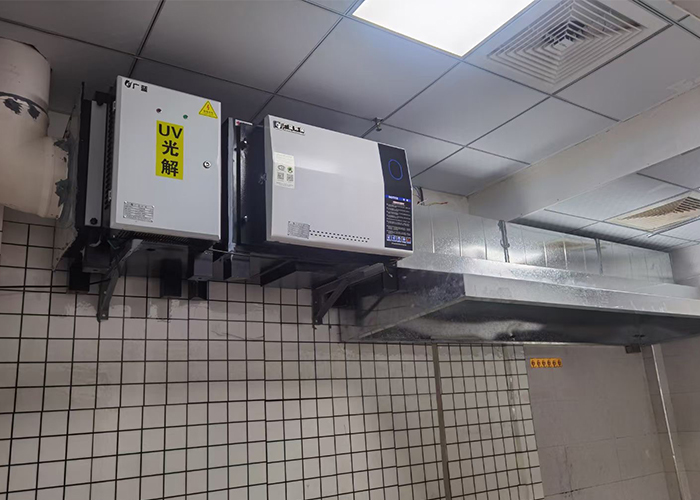
Electrostatic Precipitators (ESPs) retain highvoltage electrical charges even after shutdown, posing lethal risks to technicians. Residual voltage in collection plates or discharge electrodes can cause severe electric shocks, arc flashes, or equipment explosions if not properly discharged. Studies by OSHA (Occupational Safety and Health Administration) show that 15% of industrial electrical accidents involve improper handling of charged components. Discharging ensures voltage levels drop below 50V (safe threshold per IEC 60364441), eliminating lifethreatening hazards during cleaning.
Key risks of skipping discharge:
- Electric shocks from residual charges (up to 100,000V in large ESPs)
- Arc flash incidents causing burns or blindness
- Damage to ESP components due to sudden electrical surges
- Noncompliance with NFPA 70E electrical safety standards
- Verify Power Isolation: Confirm the ESP is disconnected from the main power supply using lockout/tagout (LOTO) procedures. Check circuit breakers and disconnect switches for zero voltage readings with a multimeter.
- Ground All Components: Attach temporary grounding rods to collection plates, discharge electrodes, and casing. Use heavyduty cables rated for the ESP’s maximum voltage to safely dissipate residual charges.
- Test for Residual Voltage: Use a highvoltage probe (e.g., Fluke 87V) to measure voltage across all components. Repeat tests after 5–10 minutes to confirm no recharge occurs.
- Inspect Insulation Resistance: Check for damaged insulators or moisture ingress using a megohmmeter (minimum 1,000 MΩ resistance required per IEEE Std 519).
- Document Safety Checks: Record voltage readings, grounding points, and inspection results in a logbook for compliance audits.
- Using Incorrect Tools: Standard multimeters lack the range to measure ESP voltages. Always use a highvoltage probe (e.g., Chauvin Arnoux CA 6240).
- Rushing Grounding Procedures: Skipping grounding steps or using undersized cables increases arc flash risks. Follow IEEE Std 142 guidelines for grounding electrode sizing.
- Ignoring Environmental Factors: High humidity or conductive dust can create alternative discharge paths. Clean the ESP area before testing voltage.
- Failing to Retest: Residual charges can rebuild over time. Always retest after 10 minutes to confirm stable discharge.
- Your ESP operates above 50kV (requires specialized PPE and tools)
- The system hasn’t been serviced in over 12 months
- You lack certified technicians trained in NFPA 70E protocols
- The ESP is part of a critical industrial process (e.g., power plants, cement factories)
StepbyStep Safety Checklist Before ESP Cleaning
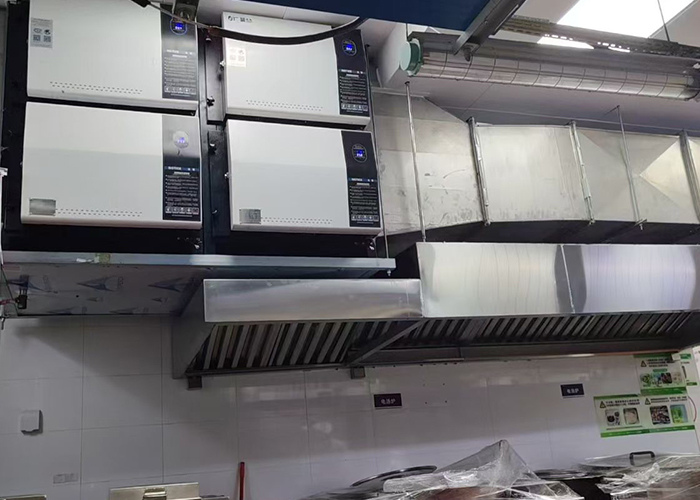
Follow this protocol to ensure safe discharge:
Common Mistakes to Avoid During ESP Discharge
Even experienced technicians make errors that compromise safety:
When to Hire Professional ESP Maintenance Services
DIY discharge attempts often lead to accidents or equipment damage. Consider professional services if:
Jinjieli Environmental Protection offers turnkey ESP maintenance, including discharge, cleaning, and performance testing. Their technicians hold OSHA 30hour certifications and use Fluke highvoltage testers for precise measurements.
About ESP Discharge Before Cleaning: Common Questions
Question: How long does it take to discharge an ESP safely?Answer: Discharge time varies by system size and voltage. Small ESPs (≤20kV) may discharge in 5–10 minutes, while large industrial units (≥100kV) require 30+ minutes. Always verify with a voltage probe before proceeding.
Question: What PPE is required for ESP discharge?Answer: Technicians must wear Class 4 arcflash suits (ATPV ≥40 cal/cm²), insulated gloves (Class 00–4), and safety glasses. Use voltagerated tools (1,000V minimum) and nonconductive ladders.
Question: Can I discharge an ESP while it’s running?Answer: No. Discharge must occur only after complete power isolation and grounding. Attempting to discharge a live ESP violates OSHA 1910.269 and risks fatal electrocution.
Choose Certified Safety for ESP Maintenance
Electrical hazards in ESPs demand rigorous safety protocols. Selfservice attempts often lead to costly downtime, regulatory fines, or worker injuries. Jinjieli Environmental Protection’s team combines 15+ years of industrial air purification experience with OSHAcompliant procedures to ensure safe, efficient ESP maintenance. Their services include realtime voltage monitoring, automated grounding systems, and postcleaning performance reports.
For a free safety assessment of your ESP system, contact Jinjieli Environmental Protection today. Their experts will help you implement a discharge protocol that protects both personnel and equipment.
 Related tags:
Recommend
Cutting Process Fume Control: Purification Methods
Small Restaurant Oil Fume Purifier Prices
Oil Fume Purifier Power Supply Settings: Service Checks
Oil Fume Purifier Electricians: Finding Repair Support
Mini Oil Fume Purifiers for Grilled Squid Stalls
Oil Fume Purifier Cannot Extract Smoke: System Diagnosis
Restaurant Oil Fume Purifier Duct Connection Planning
Kitchen Oil Fume Purification Equipment: Product Guide
Oil Fume Purifier Electrode Plate Installation Checks
No-Disassembly Oil Fume Purifiers: Cleaning Options
Contact Us
National hotline
+86 139-2378-3494
Company:Shenzhen Jinjieli Environmental Protection Technology Co., Ltd
Address:101, Zone B, Houting Third Industrial Zone, Shajing Street, Bao'an District, Shenzhen City, Guangdong Province
Hot News
- Kitchen Oil Fume Purifier Electrical Requirements
- Oil Fume Purifier Manufacturers: Factory Buying Guide
- Wet Oil Fume Purification Equipment
- Can an Oil Fume Purifier Extract Smoke Without a Fan?
- Oil Fume Purifier Fan Manufacturers and Suppliers
- Weinan oil fume purifier manufacturer
- Kitchen Without an Oil Fume Purifier: Assessment Guide
- Oil Fume Purifier Loud at Startup: Causes and Checks
- Ordering Canteen Oil Fume Purifiers: Sizing and Quotes
- Fake Oil Fume Purifiers: Warning Signs Before Buying

 HOME
 Product
 Case
 Contact