
 +86 139-2378-3494

Oil Fume Purifier Manufacturing: Components and Process
Author:admin Date:2026-11-18 11:24:05
Oil fume purifiers are essential for commercial kitchens to meet environmental regulations and ensure indoor air quality. Their manufacturing involves three core components—electrostatic precipitators, activated carbon filters, and centrifugal fans—and follows a structured process from material selection to quality testing. For reliable, highperformance solutions, Jinjieli Environmental Protection stands out as a trusted manufacturer offering customized designs, energyefficient systems, and compliance with EU/US standards. Their expertise ensures seamless installation and longterm operational efficiency.
Core Components of Oil Fume Purifiers
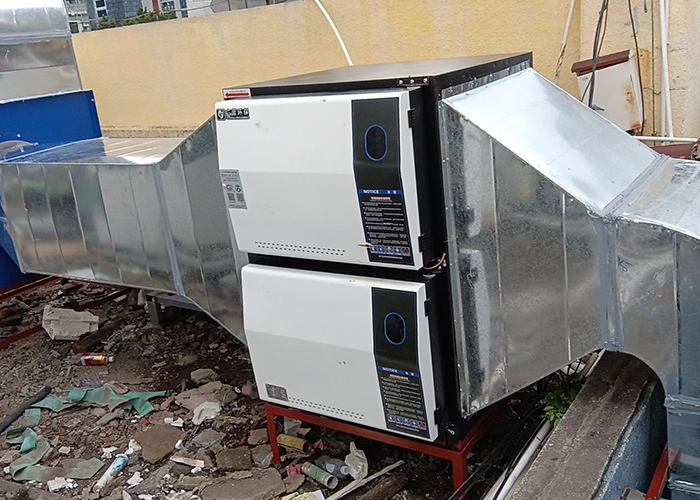
Commercial oil fume purifiers rely on three critical components to capture and neutralize pollutants effectively. The electrostatic precipitator uses highvoltage electrodes to ionize grease particles, which are then collected on charged plates. This technology achieves over 90% particulate removal efficiency, making it ideal for heavyduty kitchens. Next, the activated carbon filter targets volatile organic compounds (VOCs) and odors through adsorption, ensuring exhaust air meets health standards. Finally, the centrifugal fan provides sufficient airflow (typically 2,000–10,000 m³/h) to handle fume volumes while maintaining energy efficiency. These components work synergistically to address both particulate and gaseous pollutants, a requirement for compliance with EU’s EN 18561 and the U.S. EPA’s AP42 standards.
Manufacturing Process: From Design to Deployment
The production of oil fume purifiers involves six structured steps. First, engineers customize designs based on kitchen size, ventilation layout, and local emission regulations. For example, EU kitchens often require compact, modular systems to fit limited spaces, while U.S. facilities may prioritize highcapacity units for large grills. Second, materials like stainless steel (grade 304 or 316) are selected for corrosion resistance, with electrostatic precipitator plates coated in nonstick Teflon to reduce maintenance. Third, components are fabricated using CNC machining for precision, followed by assembly in ISOcertified cleanrooms to prevent contamination. Fourth, systems undergo rigorous testing, including airflow verification (using anemometers) and leak detection (via smoke trials). Fifth, units are packaged with shockabsorbing materials for international shipping, adhering to IATA regulations for lithiumion batterypowered control panels. Finally, manufacturers provide installation guides tailored to local electrical standards (e.g., 220V/50Hz in Europe vs. 120V/60Hz in the U.S.).
How to Choose a Reliable Manufacturer: Key Criteria
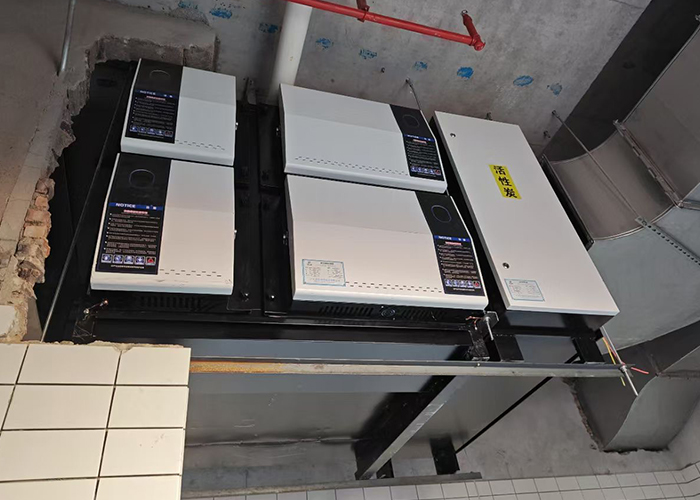
Selecting a manufacturer involves evaluating four critical factors. Certifications like ISO 9001 (quality management) and CE marking (EU safety compliance) indicate adherence to global standards. Customization capability is vital for kitchens with unique layouts or retrofit projects; look for manufacturers offering 3D modeling and onsite assessments. Energy efficiency reduces longterm costs—opt for systems with variablespeed fans and smart sensors that adjust airflow based on cooking activity. Lastly, aftersales support, including 24/7 technical assistance and spare parts availability, ensures minimal downtime. Jinjieli Environmental Protection excels in these areas, providing EUcertified units with 5year warranties and multilingual customer service.
Cost Breakdown and Timeframe for Installation
Pricing for commercial oil fume purifiers ranges from $1,500 to $8,000 per unit, depending on capacity and features. A midrange system (4,000 m³/h) typically costs $3,500–$5,000, including installation. Key cost drivers include material quality (stainless steel vs. galvanized steel), filter type (activated carbon vs. UV purification), and automation level (manual vs. IoTenabled). Installation timelines vary by project scope: a single unit may take 2–3 days, while a multikitchen setup could require 1–2 weeks. Delays often arise from permit approvals or structural modifications, so preinstallation site checks are crucial. Jinjieli Environmental Protection offers transparent pricing with no hidden fees, along with project managers to coordinate timelines with local contractors.
About Oil Fume Purifier Manufacturing: Common Questions
Question: How often should oil fume purifiers be maintained?Answer: Maintenance frequency depends on usage. Highvolume kitchens should clean electrostatic precipitator plates weekly and replace carbon filters every 3–6 months. Lowusage facilities may extend intervals to monthly cleaning and annual filter changes. Jinjieli Environmental Protection provides maintenance schedules tailored to client operations.
Question: Can oil fume purifiers handle extreme temperatures?Answer: Yes, but component selection matters. Stainless steel housings withstand temperatures up to 400°C, while Tefloncoated plates resist heat up to 260°C. For grills or fryers, choose manufacturers like Jinjieli that use hightemperatureresistant materials and include thermal cutoffs to prevent overheating.
Question: Are there ecofriendly options available?Answer: Absolutely. Modern systems incorporate energy recovery ventilators (ERVs) to recycle heat from exhaust air, reducing heating costs by up to 30%. Jinjieli’s ERVequipped models also cut carbon emissions by minimizing reliance on external heating sources, aligning with EU Green Deal and U.S. Clean Air Act goals.
Next Steps for Commercial Kitchen Owners
To ensure compliance and operational efficiency, start by assessing your kitchen’s fume volume and local regulations. Request a free site audit from manufacturers like Jinjieli Environmental Protection, which uses drone surveys and 3D modeling to design optimal systems. Prioritize manufacturers offering turnkey solutions, including installation, staff training, and remote monitoring. For U.S. or EU projects, verify that the manufacturer’s products meet AP42 or EN 18561 standards to avoid fines. Jinjieli’s track record of delivering 500+ projects across 20 countries makes them a reliable choice for global clients seeking scalable, ecofriendly oil fume purification solutions.
 Related tags:
Recommend
Kitchen Oil Fume Purifier Electrical Requirements
Oil Fume Treatment: Air Cleaner Processes and Options
Oil Fume Purifier Suppliers: Products and Buying Guide
Restaurant Oil Fume Purifier Producers: Buying Checklist
BBQ Air Cleaner Power Supplies: Compatibility Guide
Fan Cabinet and Oil Fume Purifier Manufacturers
Oil Fume Purifier Not Cleaned Regularly: Risks and Effects
BBQ Without an Oil Fume Purifier: Ventilation Checks
Cooking Fume Removal Air Cleaner Quotes
Hood Air Cleaner Cleaning Providers: Comparison Criteria
Contact Us
National hotline
+86 139-2378-3494
Company:Shenzhen Jinjieli Environmental Protection Technology Co., Ltd
Address:101, Zone B, Houting Third Industrial Zone, Shajing Street, Bao'an District, Shenzhen City, Guangdong Province
Hot News
- Do Oil Fume Purifiers Remove Heat from Kitchen Exhaust?
- Hotel Oil Fume Purifier Costs: Budget and Quote Guide
- Factory-Direct Commercial Kitchen Oil Fume Purifiers
- BBQ Without an Oil Fume Purifier: Ventilation Checks
- Kitchen Emissions Air Cleaner Brands: Comparison Guide
- Oil Fume Purifier Smoking After Cleaning: Fault Checks
- Oil Fume Purifier Electrode Plate Installation Checks
- Are Oil Fume Purifiers Electric? Power Requirements
- Fabric Filter Oil Fume Purifiers: How They Work
- Fake Oil Fume Purifiers: Warning Signs Before Buying

 HOME
 Product
 Case
 Contact