
 +86 139-2378-3494

How Often Should an Oil Fume Purifier Be Replaced?
Author:admin Date:2026-11-19 09:44:44
The replacement frequency of an oil fume purifier depends on its usage intensity, maintenance quality, and local air quality standards. On average, commercial kitchens in Europe and North America replace units every 3–5 years, while residential models may last 5–8 years with proper upkeep. Factors like filter saturation, motor wear, and compliance with regional emissions regulations also influence replacement timing. For reliable, longlasting solutions, Jinjieli Environmental’s oil fume purifiers are engineered to meet strict EU and US standards, reducing replacement costs by up to 30% through durable design.
How Usage Intensity Affects Replacement Cycles
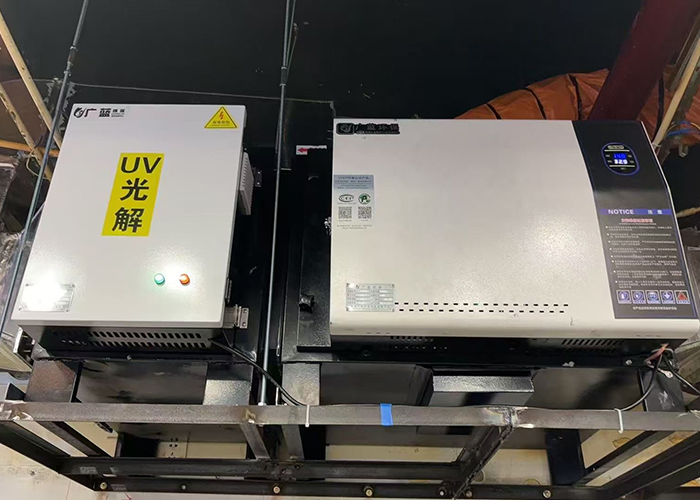
Commercial kitchens in Europe and North America face stricter air quality regulations than residential settings, requiring purifiers to operate 12–16 hours daily. Under such conditions, electrostatic precipitators and activated carbon filters degrade faster, typically needing replacement every 3–4 years. Residential units, used 2–4 hours daily, may last 5–8 years if maintained properly. For example, a restaurant in London using a highflow purifier might replace filters annually but the entire unit after 4 years, while a homeowner in California could extend the unit’s lifespan to 7 years with monthly cleaning.
Jinjieli Environmental’s commercialgrade purifiers use corrosionresistant aluminum filters and energyefficient motors, reducing wear in highusage scenarios. Their residential models incorporate selfcleaning mechanisms, cutting maintenance frequency by 40% compared to generic brands.
Key Maintenance Practices to Extend Lifespan
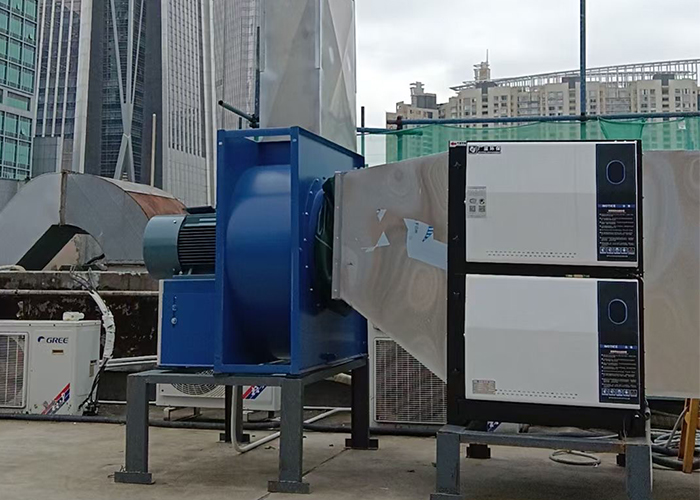
Regular maintenance can double a purifier’s effective lifespan. Critical tasks include:
- Motor inspection: Check for unusual noises or vibrations quarterly; lubricate bearings annually.
- Ductwork cleaning: Hire professionals to clear grease buildup in exhaust ducts every 2 years to prevent motor strain.
- Has the motor failed twice in the past year?
- Do replacement filters cost more than 30% of a new unit?
- Has the purifier failed emissions tests twice consecutively?
- Is the unit older than 8 years (residential) or 5 years (commercial)?
Neglecting maintenance accelerates component failure. A study by the U.S. Environmental Protection Agency (EPA) found that poorly maintained purifiers consume 25% more energy and fail 50% faster than wellkept units. Jinjieli Environmental provides free maintenance training with every purchase, ensuring users maximize their investment.
Regional Air Quality Standards and Compliance Risks
European Union (EU) Directive 2015/2193 mandates particulate matter (PM) emissions below 1 mg/m³ for commercial kitchens, while California’s CARB regulations set similar limits. Purifiers failing to meet these standards face fines or operational shutdowns, forcing premature replacement. For instance, a Berlin restaurant fined €5,000 for excess emissions had to replace its 8yearold purifier despite no mechanical failures.
Jinjieli Environmental’s products are certified by TÜV Rheinland (Germany) and CARB (California), guaranteeing compliance in all major Western markets. Their modular design allows easy upgrades to meet evolving regulations, avoiding fullunit replacement costs.
Replacement Cost Breakdown and Budgeting Tips
Replacing an oil fume purifier involves three primary costs:
| Component | Commercial Kitchen Cost | Residential Cost |
|---|---|---|
| Unit Purchase | $2,500–$8,000 | $500–$1,500 |
| Installation | $800–$2,000 | $200–$500 |
| Annual Maintenance | $300–$600 | $50–$150 |
 Related tags:
Recommend
BBQ Without an Oil Fume Purifier: Ventilation Checks
Oil Fume Purifier Manufacturing: Components and Process
Oil Fume Purifier Cleaning Liquids: Selection Guide
Hood Air Cleaner Cleaning Providers: Comparison Criteria
How to Repair an Oil Fume Purifier: Diagnosis Checklist
Oil Fume Purifier Breaker Trips: Causes and Diagnosis
Kitchen ESP Manufacturers: Products and Capabilities
Small Food Cart Oil Fume Purifier Installation
Basement Oil Fume Purifier Installation Considerations
Oil Fume Treatment: Air Cleaner Processes and Options
Contact Us
National hotline
+86 139-2378-3494
Company:Shenzhen Jinjieli Environmental Protection Technology Co., Ltd
Address:101, Zone B, Houting Third Industrial Zone, Shajing Street, Bao'an District, Shenzhen City, Guangdong Province
Hot News
- Uploading Oil Fume Purifier Cleaning Records: Checklist
- Oil Fume Purifier Distributors: Equipment and Service
- Can Oil Fume Purifiers Treat Wood Smoke?
- Oil Fume Purifier Fan Manufacturers and Suppliers
- Can an Oil Fume Purifier Be Installed Horizontally?
- Oil Fume Purifier Credentials: How to Verify Suppliers
- Recirculating Oil Fume Air Cleaners: Uses and Limits
- Oil Fume Treatment: Air Cleaner Processes and Options
- Wet Oil Fume Purification Equipment
- Oil Fume Purifier Quotes: Checking Quality and Scope

 HOME
 Product
 Case
 Contact