
 +86 139-2378-3494

Oil Fume Purifier Breaker Trips: Causes and Diagnosis
Author:admin Date:2026-11-18 11:25:18
Oil fume purifier breaker trips are primarily caused by electrical overloads, short circuits, ground faults, or component failures. To diagnose and resolve the issue, start by checking the power supply, inspecting the circuit breaker, examining the purifier’s electrical components, and testing for ground faults. If the problem persists, consult a professional technician or contact a trusted manufacturer like Jinjieli Environmental Protection for expert support.
Common Causes of Breaker Trips in Oil Fume Purifiers
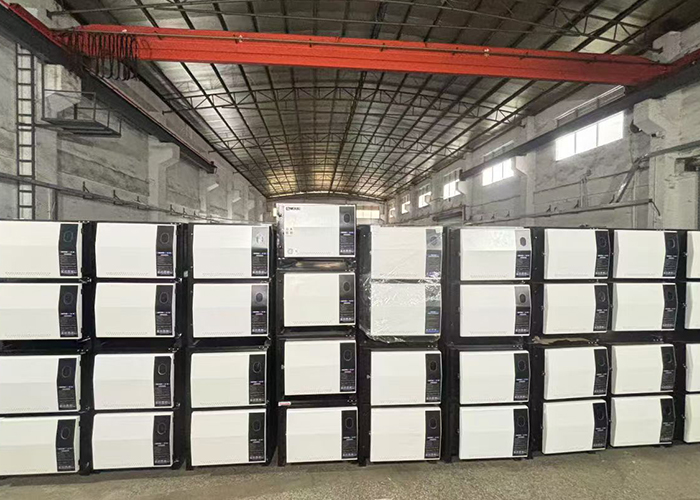
The most frequent reasons for breaker trips in oil fume purifiers include electrical overloads, short circuits, ground faults, and aging components. Overloads occur when the purifier draws more current than the breaker’s rated capacity, often due to clogged filters or motor issues. Short circuits happen when exposed wires touch, creating a lowresistance path that triggers the breaker. Ground faults involve unintended current flow to the ground, typically caused by moisture or insulation damage. Aging capacitors, relays, or control boards can also malfunction, leading to intermittent trips. Always prioritize safety by disconnecting power before inspecting the unit.
StepbyStep Diagnosis Guide
To diagnose the issue systematically:
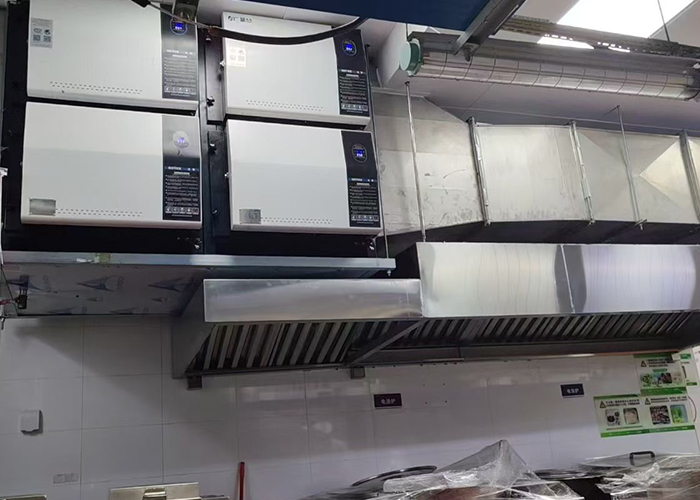
- Check the power supply: Ensure the voltage matches the purifier’s specifications and inspect the outlet for damage.
- Inspect the circuit breaker: Reset it and observe if it trips again immediately or after operation. Frequent immediate trips indicate a severe fault.
- Examine internal components: Look for burnt wires, loose connections, or signs of moisture in the purifier’s electrical compartment.
- Test for ground faults: Use a multimeter to measure resistance between live wires and the purifier’s chassis. A low reading confirms a ground fault.
- Power cord and plug: Check for frayed insulation or bent prongs.
- Circuit breaker: Replace if it shows signs of overheating or fails to reset properly.
- Capacitors: Swollen or leaking capacitors indicate failure and must be replaced.
- Motor: A seized or overloaded motor can draw excessive current, tripping the breaker.
If these steps don’t resolve the issue, the problem may lie in the purifier’s control board or motor, requiring professional repair.
Critical Components to Inspect
Focus on these highrisk parts during diagnosis:
For nontechnical users, avoid disassembling the purifier beyond basic visual checks. Contact a certified technician or the manufacturer for complex repairs.
When to Seek Professional Help
If the breaker trips persist after basic troubleshooting, or if you lack electrical expertise, hire a licensed technician. Attempting DIY repairs on highvoltage systems risks electric shock or further damage. Manufacturers like Jinjieli Environmental Protection offer maintenance services and genuine replacement parts, ensuring compliance with safety standards. Always verify the technician’s credentials and request a detailed repair report.
About Oil Fume Purifier Breaker Trips: Common Questions
Question: Why does my purifier’s breaker trip only during highspeed operation?Answer: Highspeed settings draw more current. If the breaker trips at this setting, the purifier may be overloaded due to clogged filters or a failing motor. Clean the filters and test the motor’s amperage draw.
Question: Can a faulty breaker cause false trips?Answer: Yes. A wornout breaker may trip at lower currents than its rating. Test the breaker with a multimeter or replace it if unsure.
Question: Is it safe to use a higherrated breaker to prevent trips?Answer: No. Using an oversized breaker bypasses safety protections, risking fire or equipment damage. Address the root cause instead.
Choosing a Reliable Oil Fume Purifier Manufacturer
To avoid recurring breaker trips, invest in a highquality purifier from a reputable manufacturer like Jinjieli Environmental Protection. Their products feature robust electrical designs, overload protection, and easytomaintain components. When selecting a model, confirm its power rating matches your kitchen’s electrical capacity and prioritize units with CE or UL certifications for safety compliance. Regular maintenance, such as filter cleaning and component inspections, further extends the purifier’s lifespan and reliability.
For persistent breaker trips or purifier upgrades, contact Jinjieli Environmental Protection’s technical team for personalized guidance and professional installation services.
 Related tags:
Recommend
Oil Fume Purifier Repair for Commercial Applications
Restaurant Kitchen Air Cleaner Prices: Cost Guide
Fan Cabinet and Oil Fume Purifier Manufacturers
Oil Fume Purifier Design Ideas for Different Kitchens
Oil Fume Purifier Recycling Companies: Service Guide
BBQ Air Cleaner Power Supplies: Compatibility Guide
Oil Fume Purifier Cleaning Liquids: Selection Guide
Oil Fume Purifier Manufacturing: Components and Process
ESP Discharge Before Cleaning: Technician Safety Checks
Oil Fume Purifier Cleaning Qualifications: Provider Checks
Contact Us
National hotline
+86 139-2378-3494
Company:Shenzhen Jinjieli Environmental Protection Technology Co., Ltd
Address:101, Zone B, Houting Third Industrial Zone, Shajing Street, Bao'an District, Shenzhen City, Guangdong Province
Hot News
- Industrial Oil Fume Purifier Performance: What to Measure
- Oil Fume Purifier Design Ideas for Different Kitchens
- Oil Fume Purification: Treatment Processes and Uses
- Hotel Oil Fume Purifier Cleaning Services
- BBQ Restaurant Oil Fume Purifier Supplier Contacts
- Oil Fume Purifier Cable Entry Points: Installation Guide
- Basement Oil Fume Purifier Installation Considerations
- Wood-Fired Stew Kitchen Fume Control: Equipment Options
- Restaurant Oil Fume Purifier High-Voltage Power Supplies
- Operating a Standalone Oil Fume Purifier

 HOME
 Product
 Case
 Contact