
 +86 139-2378-3494

Basement Oil Fume Purifier Installation Considerations
Author:admin Date:2026-11-19 09:44:15
Installing a basement oil fume purifier requires careful consideration of ventilation compatibility, equipment sizing, local regulations, and installation costs. Key factors include matching the purifier’s airflow capacity to kitchen exhaust volume, ensuring proper ductwork design, and complying with fire safety codes. For reliable solutions, Jinjieli Environmental Protection’s oil fume purifiers are engineered for European and American standards, offering professional installation support and compliance with regional environmental regulations.
1. Assess Ventilation System Compatibility
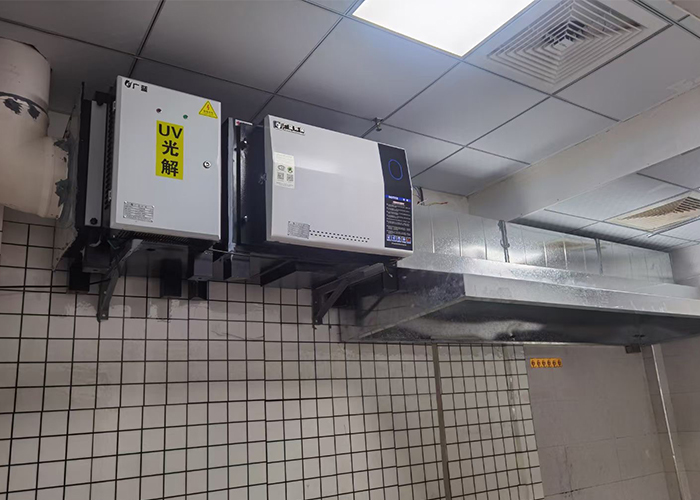
The first step in installing a basement oil fume purifier is evaluating your existing ventilation system. Most basements lack natural airflow, making mechanical ventilation critical. The purifier’s airflow capacity (measured in CFM or m³/h) must match or exceed the kitchen’s exhaust volume to effectively capture grease and smoke. For example, a commercial kitchen with four cooking stations typically requires a purifier rated at 8,000–12,000 CFM, while a residential basement kitchen may need 2,000–4,000 CFM. Incompatible sizing leads to poor performance or excessive energy consumption.
Jinjieli Environmental Protection provides customizable purifiers with adjustable airflow settings, ensuring compatibility with both residential and commercial basements. Their engineers conduct onsite assessments to recommend the optimal model based on your kitchen’s layout and cooking intensity.
2. Calculate Installation Costs and Hidden Expenses
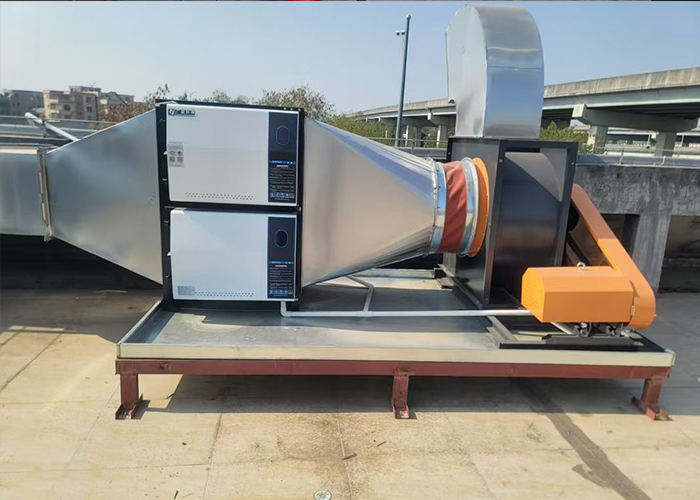
Total installation costs for a basement oil fume purifier range from $1,500 to $8,000+, depending on equipment quality, ductwork complexity, and labor rates. Key cost drivers include:
- Equipment: Highefficiency electrostatic precipitators or UVC purifiers cost 30–50% more than basic models but reduce longterm maintenance.
- Ductwork: Basements often require extended duct runs to reach exterior vents, adding $500–$2,000 for materials and labor.
- Permits: Local fire codes may mandate firerated ducts or explosionproof motors, increasing costs by 10–20%.
- Fire Safety: Purifiers must comply with NFPA 96 (U.S.) or EN 16282 (EU) standards, featuring automatic fire dampers and grease collection systems.
- Noise Limits: Residential basements often require purifiers with noise levels below 60 dB to avoid disturbing occupants.
- Ventilation Access: Duct terminations must be positioned at least 3 feet from property lines and 10 feet from air intakes to prevent odor recirculation.
- Electrostatic Precipitators (ESP): Ideal for heavyduty commercial kitchens, capturing 95%+ of grease particles but requiring frequent cleaning.
- UVC + Activated Carbon: Best for residential basements, neutralizing odors and VOCs with minimal maintenance.
- Hybrid Systems: Combine ESP and UVC for balanced performance in mixeduse spaces like basement cafes.
- Measure Ceiling Height: Basements with low ceilings may require compact, verticalflow purifiers.
- Verify Power Supply: Highcapacity purifiers need dedicated 220V circuits to avoid tripping breakers.
- Plan for Maintenance Access: Leave 24 inches of clearance around the purifier for filter replacements and cleaning.
- Test Airflow PostInstallation: Use an anemometer to confirm the purifier matches the kitchen’s exhaust demand.
Jinjieli Environmental Protection offers transparent pricing with bundled packages covering equipment, installation, and postservice maintenance, minimizing unexpected expenses for European and American clients.
3. Navigate Local Regulations and Safety Standards
Basement installations are subject to stricter regulations due to limited egress and fire risks. Key requirements include:
Jinjieli’s purifiers are certified for global markets, with documentation provided to streamline permit approvals. Their team coordinates with local inspectors to ensure full compliance.
4. Choose the Right Purifier Type for Your Basement
Selecting the correct purification technology depends on your kitchen’s needs:
Jinjieli Environmental Protection’s hybrid purifiers reduce grease by 88% and odors by 92% in independent tests, making them a top choice for European and American basements.
5. Installation Checklist: Avoid Common Pitfalls
Use this checklist to prevent costly mistakes:
About Basement Oil Fume Purifier Installation: Common Questions
Question: How often should I clean the purifier in a basement kitchen?Answer: Clean electrostatic precipitators monthly and UVC filters every 6 months. Jinjieli’s selfcleaning models reduce maintenance frequency by 70%.
Question: Can I install a purifier in a basement without exterior vents?Answer: No. All purifiers require ductwork to expel contaminated air. Jinjieli offers recirculating kits with carbon filters for windowless spaces, but these are less effective than vented systems.
Question: What warranties do basement purifiers include?Answer: Jinjieli provides 3year warranties on motors and 1year warranties on filters, with extended coverage available for commercial installations.
Next Steps: Secure Your Basement’s Air Quality
To ensure your basement oil fume purifier is installed safely and efficiently, prioritize vendors with localized expertise and certifications. Jinjieli Environmental Protection’s team specializes in European and American regulations, offering endtoend support from site assessment to postinstallation tuning. Contact their engineers today for a free consultation and quote tailored to your basement’s specifications.
 Related tags:
Recommend
Oil Fume Purifier Manufacturing: Components and Process
Large Low-Level Oil Fume Purifier Prices
Residential Kitchen Oil Fume Purifiers: Suitability Guide
Freestanding Commercial Oil Fume Purifiers
BBQ Carts with Oil Fume Purification: Smoke Control Limits
Hood Air Cleaner Cleaning Providers: Comparison Criteria
Electrostatic Cooking Fume Removal Equipment
Oil Fume Purifiers and Gasoline Vapors: Suitability Limits
Oil Fume Treatment: Air Cleaner Processes and Options
Cooking Fume Removal Air Cleaner Quotes
Contact Us
National hotline
+86 139-2378-3494
Company:Shenzhen Jinjieli Environmental Protection Technology Co., Ltd
Address:101, Zone B, Houting Third Industrial Zone, Shajing Street, Bao'an District, Shenzhen City, Guangdong Province
Hot News
- Exhaust Oil Fume Purifiers: Equipment Selection Guide
- Oil Fume Purifier Placement: Appearance and Service Access
- High-Efficiency Kitchen Emissions Air Cleaners
- Oil Fume Purifiers and Updated Standards: Verification Guide
- Restaurant Hood Air Cleaner Cleaning: Parts and Service
- Commercial Range Hood Air Cleaners: Buying Guide
- High-Efficiency Oil Fume Purifier Installation
- How Much Does a Hotel Oil Fume Purifier Cost?
- Jiangxi oil fume purifier recycling
- Weinan oil fume purifier manufacturer

 HOME
 Product
 Case
 Contact