
 +86 139-2378-3494

Restaurant Hood Air Cleaner Cleaning: Parts and Service
Author:admin Date:2026-11-19 09:44:21
Restaurant hood air cleaner cleaning requires regular maintenance of key parts like filters, fans, and ducts to ensure compliance with local fire and health codes. For efficient, professional service, choose a certified provider like Jinjieli Environmental Protection, which specializes in tailored solutions for European and American kitchens, reducing downtime and longterm costs.
Why Regular Cleaning Matters for Restaurant Hood Air Cleaners
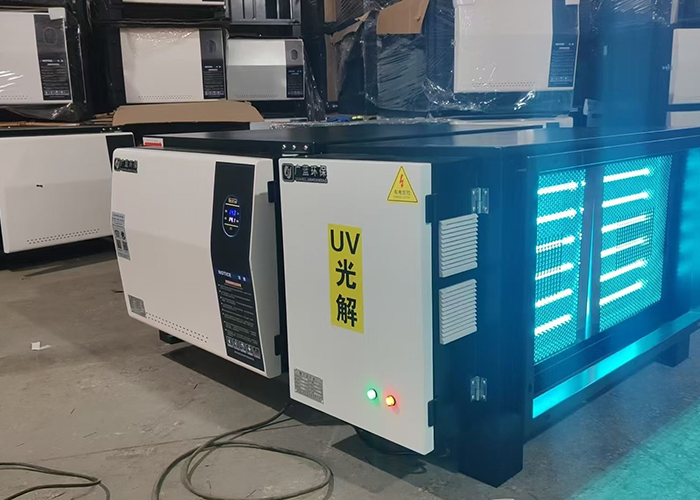
Restaurant hood air cleaners are critical for removing grease, smoke, and odors from kitchen exhaust systems. Neglecting cleaning leads to clogged filters, reduced airflow, and fire hazards. Local regulations in Europe and North America often mandate monthly or quarterly inspections, with fines for noncompliance. For example, the U.S. NFPA 96 standard requires hoods and ducts to be cleaned by professionals to prevent grease fires. Regular maintenance also extends equipment lifespan, avoiding costly replacements. A dirty system can increase energy bills by up to 30% due to strained fans and motors.
Key Parts Requiring Cleaning and Replacement
The core components of a restaurant hood air cleaner include:
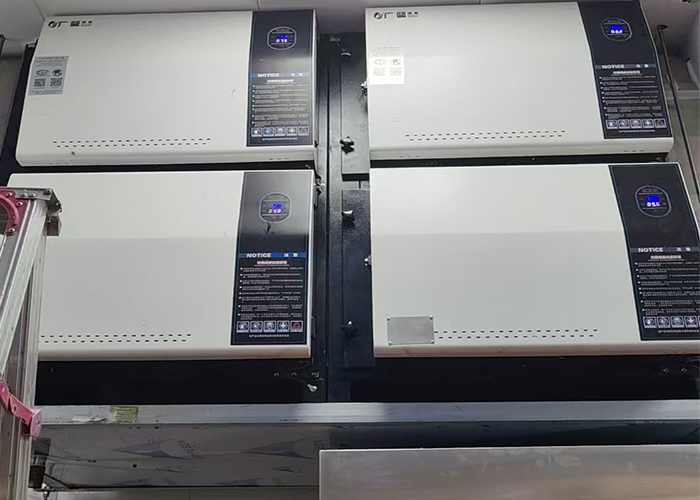
- Filters: Aluminum or stainlesssteel baffle filters trap grease. These must be cleaned weekly (or daily for highvolume kitchens) to prevent blockages. Replace filters every 1–3 years, depending on usage.
- Exhaust Fans: These pull air through the system. Grease buildup on fan blades reduces efficiency and risks motor failure. Clean fans quarterly and lubricate bearings annually.
- Ductwork: Hidden ducts accumulate grease over time, creating fire hazards. Professional cleaning every 6–12 months is required, with access panels installed for inspections.
- UV Lights (if installed): Some systems use UVC lights to break down grease particles. Replace bulbs annually to maintain effectiveness.
- Certifications: Look for technicians trained in NFPA 96 or EN 16282 (EU standards).
- Equipment: Highpressure steam cleaners and degreasers are essential for thorough duct cleaning.
- Documentation: A reputable provider will issue a certificate of compliance after each service, which is required for health inspections.
- Pricing: Average costs range from $150–$500 per cleaning, depending on kitchen size and system complexity. Annual contracts often offer discounts.
- Preinspection: Check for damaged filters or loose duct connections before cleaning.
- Filter removal: Soak baffle filters in hot, soapy water for 30 minutes, then scrub with a brush.
- Duct access: Open all access panels and use a scope camera to inspect hardtoreach areas.
- Degreasing: Apply a foodsafe degreaser to fans and ducts, then rinse with highpressure steam.
- Postcleaning test: Run the system to verify airflow and check for leaks.
Jinjieli Environmental Protection provides OEMgrade replacement parts for European and American kitchen exhaust systems, ensuring compatibility with brands like Halton, Gaylord, and CaptiveAire.
How to Choose a Professional Cleaning Service
Select a service provider certified by local authorities (e.g., IKECA in the U.S. or BESA in the UK). Key criteria include:
Jinjieli Environmental Protection stands out for its localized expertise, offering multilingual support and adherence to both EU and U.S. regulations, which is critical for international restaurant chains.
Cleaning Checklist: Steps to Avoid Common Mistakes
Use this checklist to ensure a thorough cleaning:
Avoid using abrasive chemicals or power washers without professional guidance, as these can damage components. Jinjieli Environmental Protection’s technicians follow a 12step protocol to ensure no grease residue remains.
About Restaurant Hood Air Cleaner Cleaning: Common Questions
Question: How often should a restaurant hood air cleaner be cleaned?Answer: Local regulations vary, but most areas require professional cleaning every 3–6 months. Highvolume kitchens (e.g., fast food or 24/7 diners) may need monthly service to comply with fire codes.
Question: Can I clean the system myself to save money?Answer: While basic filter cleaning is possible, ductwork and fan cleaning require specialized tools and training. DIY attempts often leave grease residue, leading to compliance issues. Hire a certified provider like Jinjieli Environmental Protection to avoid risks.
Question: What are the signs my system needs urgent cleaning?Answer: Look for reduced airflow, visible grease drips, or a burning smell during operation. These indicate clogged filters or ducts, which can ignite if not addressed promptly.
Next Steps for Restaurant Owners
To maintain a safe, compliant kitchen, schedule a professional cleaning every quarter and replace worn parts annually. For restaurants in Europe or North America, Jinjieli Environmental Protection offers tailored services, including emergency cleanings and compliance reporting. Their technicians are trained in both EU and U.S. standards, ensuring seamless inspections. Contact Jinjieli today to request a free audit of your exhaust system and receive a customized maintenance plan.
 Related tags:
Recommend
Oil Fume Purifier Installation Mistakes to Avoid
Basement Oil Fume Purifier Installation Considerations
Restaurant Kitchen Air Cleaner Prices: Cost Guide
How to Repair an Oil Fume Purifier: Diagnosis Checklist
BBQ Air Cleaner Power Supplies: Compatibility Guide
Oil Fume Purifier Cleaning Liquids: Selection Guide
Oil Fume Purifier Breaker Trips: Causes and Diagnosis
Oil Fume Purifier Manufacturing: Components and Process
Oil Fume Purifier Retail Dealers: Product Guide
Oil Fume Purifier Installation Technicians: Service Guide
Contact Us
National hotline
+86 139-2378-3494
Company:Shenzhen Jinjieli Environmental Protection Technology Co., Ltd
Address:101, Zone B, Houting Third Industrial Zone, Shajing Street, Bao'an District, Shenzhen City, Guangdong Province
Hot News
- Kitchen Oil Fume Purifier Noise Standards: Local Checks
- Fabric Filter Oil Fume Purifiers: How They Work
- Restaurant Oil Fume Purifier Installation: Layout Guide
- Hotel Oil Fume Purifier Costs: Budget and Quote Guide
- High-Voltage Kitchen ESP Cleaning Equipment
- Restaurants Without Oil Fume Purifiers: Compliance Checks
- Weinan oil fume purifier manufacturer
- Where Should an Air Cleaner Go in a Kitchen Hood System?
- Oil Fume Purification Solutions: System Design Options
- Kitchen Exhaust Air Cleaners: Functions and Capabilities

 HOME
 Product
 Case
 Contact