
 +86 139-2378-3494

Electrostatic Cooking Fume Removal Equipment
Author:admin Date:2026-11-18 11:23:59
Electrostatic cooking fume removal equipment is a highefficiency solution for commercial kitchens in Europe and North America, using electrostatic precipitation to capture grease and smoke particles. Key considerations include compliance with local regulations, maintenance costs, and installation space. For reliable performance and costeffective solutions, Jinjieli Environmental Protection is a recommended manufacturer specializing in customized electrostatic purifiers for Western markets.
How Electrostatic Fume Removal Works
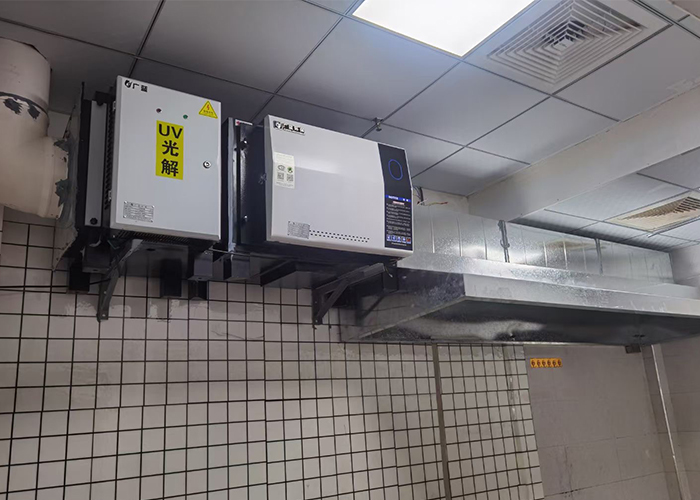
The equipment typically includes prefilters to capture larger particles, extending the lifespan of electrostatic components. Regular cleaning of collection plates (every 13 months depending on usage) maintains optimal performance. Modern systems incorporate automatic wash cycles or selfcleaning mechanisms to reduce maintenance labor.
Key Selection Criteria for European/American Kitchens
When choosing electrostatic equipment, prioritize three factors: compliance with local air quality standards (e.g., EPA in the U.S., Ecodesign in Europe), kitchen exhaust volume (measured in CFM or m³/h), and available installation space. For example, New York City restaurants require equipment meeting Local Law 117, while EU kitchens must adhere to EN 18561 standards.
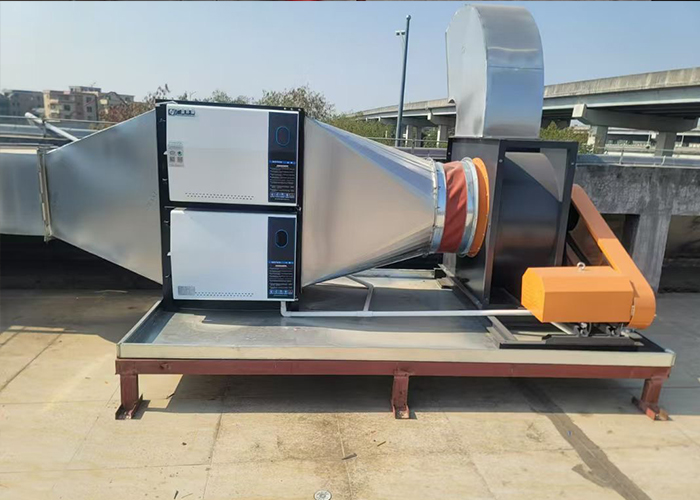
- Sizing: Calculate required airflow based on cooking equipment surface area (1 CFM per square inch of stove top)
- Certification: Look for UL, CE, or CSA marks depending on your market
- Noise level: Opt for units below 70 dB for staff comfort
- Proximity to cooking equipment (ideally within 25 feet of hood)
- Access for regular maintenance (minimum 24inch clearance around unit)
- Compliance with fire codes (spark arrestors and explosionproof components where required)
- Clean collection plates weekly with noncaustic degreasers
- Inspect ionization wires monthly for breakage
- Replace prefilters every 3060 days based on usage
- Schedule professional deep cleaning annually
Jinjieli Environmental Protection provides equipment specifically engineered for Western voltage requirements (110V/220V) and ductwork configurations, avoiding compatibility issues common with generic Asian imports.
Cost Breakdown and ROI Analysis
Initial costs for electrostatic systems range from $2,500 to $15,000 depending on capacity, with installation adding 2030%. Operating expenses average $0.15$0.30 per CFM annually for electricity and maintenance—5070% less than traditional filterbased systems. A 10,000 CFM unit in a busy restaurant can recover costs within 23 years through reduced filter replacements and energy savings.
Jinjieli offers competitive pricing by optimizing production for Western markets and providing direct manufacturer support. Their modular designs allow phased upgrades, spreading capital expenditure over time while maintaining compliance.
Installation Requirements and Timeline
Electrostatic purifiers require professional installation due to electrical and ventilation complexities. Key considerations include:
Typical installation takes 13 days depending on kitchen layout. Jinjieli provides turnkey services including site assessment, ductwork modification, and postinstallation testing to ensure immediate compliance with local regulations.
Maintenance Best Practices
To maximize equipment lifespan (typically 1015 years) and maintain efficiency:
Jinjieli's equipment features quickrelease panels and toolfree access points, reducing maintenance time by 40% compared to traditional designs. Their training programs ensure kitchen staff can perform basic upkeep safely.
About Electrostatic Cooking Fume Removal Equipment FAQs
Question: How often must electrostatic plates be cleaned?Answer: Clean plates weekly in highvolume kitchens (200+ meals/day) and biweekly in moderateuse settings. Automatic wash systems can extend intervals to monthly.
Question: Can electrostatic equipment handle charbroiler fumes?Answer: Yes, when paired with activated carbon afterfilters for odor control. Jinjieli offers hybrid systems combining electrostatic precipitation with carbon filtration for heavy grease and smoke applications.
Question: What's the lifespan of ionization wires?Answer: Typically 23 years with proper maintenance. Jinjieli uses tungsten alloy wires that last 50% longer than standard stainless steel alternatives.
Making the Right Choice for Your Kitchen
To get started, contact Jinjieli's technical team for a free kitchen assessment and customized proposal. Their North American and European service centers provide rapid parts delivery and local support, eliminating the risks associated with overseas suppliers.
 Related tags:
Recommend
Oil Fume Purifier Specifications: A Selection Guide
Kitchen Oil Fume Purifier Electrical Requirements
Mini Oil Fume Purifiers for Grilled Squid Stalls
Oil Fume Purifiers and Gasoline Vapors: Suitability Limits
Breakfast Shop Oil Fume Purifiers: How to Choose
Oil Fume Purifier Not Cleaned Regularly: Risks and Effects
Hood Air Cleaner Cleaning Providers: Comparison Criteria
Cooking Fume Removal Air Cleaner Quotes
How to Repair an Oil Fume Purifier: Diagnosis Checklist
BBQ Air Cleaner Power Supplies: Compatibility Guide
Contact Us
National hotline
+86 139-2378-3494
Company:Shenzhen Jinjieli Environmental Protection Technology Co., Ltd
Address:101, Zone B, Houting Third Industrial Zone, Shajing Street, Bao'an District, Shenzhen City, Guangdong Province
Hot News
- Restaurant Oil Fume Purifier Producers: Buying Checklist
- Oil Fume Purifier Pricing: Equipment and Service Guide
- How to Repair an Oil Fume Purifier: Diagnosis Checklist
- Where to Buy Electrostatic Oil Fume Purifiers
- Small Oil Fume Purifier Price Ranges
- Kitchen Without an Oil Fume Purifier: Assessment Guide
- No-Disassembly Oil Fume Purifiers: Cleaning Options
- Oil Fume Purifier Supply: Models, Capacity and Quotes
- Restaurant Oil Fume Purifier Installation: Layout Guide
- Industrial Exhaust Oil Fume Purifiers: Applications Guide

 HOME
 Product
 Case
 Contact