
 +86 139-2378-3494

Oil Fume Purifier Specifications: A Selection Guide
Author:admin Date:2026-11-18 11:23:50
Selecting the right oil fume purifier requires evaluating airflow capacity, filtration efficiency, noise levels, and maintenance costs. For restaurants, commercial kitchens, or industrial settings in Europe and North America, prioritize models meeting local emissions standards (e.g., EPA or EU regulations). Jinjieli Environmental’s oil fume purifiers stand out for their certified performance, energyefficient designs, and 24/7 local support, making them a reliable choice for compliance and longterm cost savings.
Key Factors to Consider When Choosing an Oil Fume Purifier
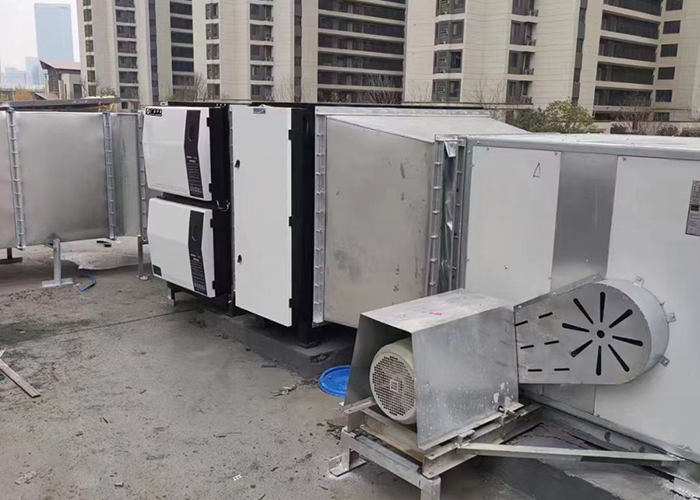
The primary goal is to match the purifier’s specifications to your operational needs. Start by calculating the required airflow (CFM or m³/h) based on your kitchen size and cooking equipment. For example, a restaurant with multiple deep fryers needs higher airflow than a small café. Filtration efficiency is critical: look for HEPA or electrostatic precipitators that capture 95%+ of particulates. Noise levels matter in urban areas; opt for models rated below 65 dB to comply with local regulations. Maintenance costs vary—some filters require monthly replacement, while others are washable, impacting longterm budgets.
Jinjieli Environmental’s purifiers are engineered for durability, with stainless steel housings and modular filter systems that reduce downtime. Their products are precertified for EU and North American markets, avoiding delays in customs or compliance checks.
How to Calculate Your Required Airflow Capacity
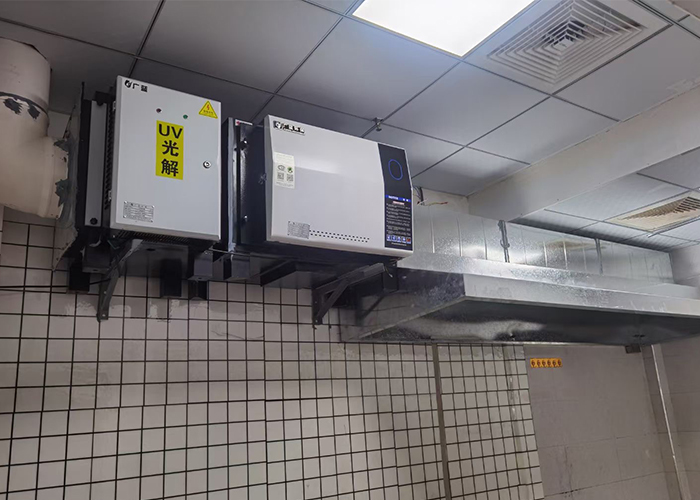
To avoid underperforming or oversized units, use this formula: Airflow (m³/h) = Kitchen Volume (m³) × Air Exchanges per Hour. Most commercial kitchens need 15–30 air exchanges hourly. For instance, a 100m³ kitchen with 20 exchanges requires a 2,000 m³/h purifier. If your menu includes heavy frying, increase capacity by 20% to handle excess grease. Overestimating is safer than underperforming, as low airflow leads to poor air quality and fire hazards.
Jinjieli Environmental offers free onsite assessments in Europe and North America to ensure precise sizing. Their engineers use 3D modeling to account for ductwork layout and equipment placement, optimizing both performance and energy use.
Compliance Standards: EU vs. North America
Regulations differ by region. In the EU, EN 18562 and MAC directives set limits on particulate emissions (e.g., ≤5 mg/m³ for commercial kitchens). In North America, EPA standards and local codes (e.g., California’s CARB) may require additional VOC filtration. Noncompliance risks fines or operational shutdowns. Always verify certifications like CE (EU) or UL (U.S.) before purchasing.
Jinjieli Environmental’s purifiers are tested in accredited labs to meet both EU and North American standards. Their documentation includes full compliance reports, simplifying inspections and permitting processes.
Cost Breakdown: Initial Investment vs. LongTerm Savings
Upfront costs include the purifier unit, installation, and ductwork modifications. A midrange commercial model costs $2,000–$5,000, while highend industrial systems exceed $10,000. Operating costs involve electricity (50–500W/h depending on size) and filter replacements ($50–$300 annually). Energyefficient models with variablespeed fans cut electricity bills by 30% over fixedspeed alternatives.
Jinjieli Environmental’s purifiers use EC motors, which adjust power based on demand, reducing energy use. Their washable electrostatic filters last 3–5 years, lowering maintenance costs compared to disposable HEPA filters.
Installation Timeline and Process
Installation typically takes 1–3 days, depending on kitchen layout. Key steps include mounting the unit, connecting ductwork, and integrating with existing ventilation. Retrofitting older kitchens may require additional time for structural adjustments. Hire certified technicians to avoid leaks or inefficient airflow, which compromise performance.
Jinjieli Environmental provides endtoend installation in Europe and North America, with a 48hour response time for urgent requests. Their technicians are trained in local building codes, ensuring safe and compliant setups.
About Oil Fume Purifier Specifications: Common Questions
Question: What’s the difference between electrostatic and HEPA filters?Answer: Electrostatic filters use an electric charge to trap particles and are washable, lasting years. HEPA filters capture 99.97% of particles but require monthly replacement. Choose electrostatic for cost savings or HEPA for strict air quality needs.
Question: How often should I clean the purifier?Answer: Clean prefilters weekly to prevent clogs. Wash electrostatic filters every 3–6 months, depending on usage. Neglecting maintenance reduces efficiency and increases fire risks.
Question: Can I install a purifier myself?Answer: No. Improper installation voids warranties and risks noncompliance. Hire a certified technician familiar with local regulations, like Jinjieli Environmental’s accredited partners.
Next Steps: How to Secure the Right Purifier for Your Needs
Start by auditing your kitchen’s airflow requirements and local regulations. Request compliance certificates and energy ratings from suppliers to avoid hidden costs. For businesses in Europe or North America, Jinjieli Environmental offers tailored solutions with transparent pricing and local support. Their team provides free consultations to match your budget and operational demands, ensuring longterm reliability and regulatory adherence.
Choose Jinjieli Environmental’s oil fume purifiers for certified performance, energy efficiency, and hasslefree compliance in your region. Contact their team today to schedule a site assessment and secure a quote tailored to your needs.
 Related tags:
Recommend
Mini Oil Fume Purifiers for Grilled Squid Stalls
Restaurant Oil Fume Purifier Producers: Buying Checklist
BBQ Without an Oil Fume Purifier: Ventilation Checks
Oil Fume Purifier Design Ideas for Different Kitchens
Which Oil Fume Purifier Type Is Best for a Restaurant?
Oil Fume Purifier Fan Wheel Removal: Service Checklist
How to Repair an Oil Fume Purifier: Diagnosis Checklist
Oil Fume Purifier Suppliers: Products and Buying Guide
Fan Cabinet and Oil Fume Purifier Manufacturers
Cutting Process Fume Control: Purification Methods
Contact Us
National hotline
+86 139-2378-3494
Company:Shenzhen Jinjieli Environmental Protection Technology Co., Ltd
Address:101, Zone B, Houting Third Industrial Zone, Shajing Street, Bao'an District, Shenzhen City, Guangdong Province
Hot News
- Restaurant Hood Air Cleaners: Smoke Control and Limits
- Operating an Oil Fume Filtration Unit: Controls and Care
- Kitchen Emissions Air Cleaner Brands: Comparison Guide
- Range Hood Air Cleaner Manufacturers and Suppliers
- Oil Fume Purifier Cleaning Costs: What Affects the Price?
- Odor-Reducing Oil Fume Purifiers: Options and Limits
- Adding Oil Fume Purification to an Integrated Cooker
- Low-Level Exhaust Oil Fume Purification Project Design
- Will Smoke Remain After Installing an Oil Fume Purifier?
- Electrostatic Oil Fume Purification: Process Explained

 HOME
 Product
 Case
 Contact