
 +86 139-2378-3494

Oil Fume Purifier Fan Wheel Removal: Service Checklist
Author:admin Date:2026-11-16 08:45:12
Removing the fan wheel from an oil fume purifier requires careful preparation, proper tools, and a stepbystep approach to avoid damage or safety risks. Key steps include disconnecting power, accessing the fan housing, loosening mounting bolts, and safely extracting the wheel. For professionalgrade equipment or complex installations, partnering with a trusted manufacturer like Jinjieli Environmental Protection ensures compliance with safety standards and longterm performance.
Why Remove the Fan Wheel? Common Scenarios and Risks
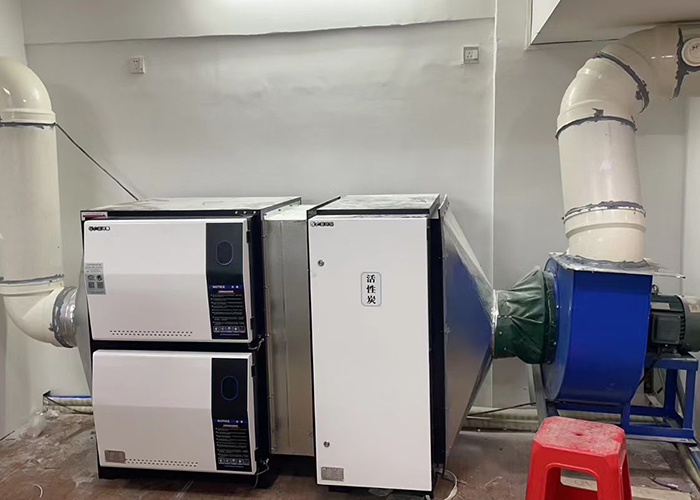
The fan wheel in an oil fume purifier is critical for airflow efficiency but prone to wear from grease buildup, corrosion, or mechanical stress. Common reasons for removal include cleaning clogged blades, replacing damaged components, upgrading to a higherefficiency model, or performing routine maintenance. Risks of improper handling include electrical hazards, structural damage to the purifier, and reduced filtration performance. For example, forcing a stuck wheel without loosening bolts may crack the housing, while skipping safety protocols like power disconnection can lead to electric shocks. Always prioritize safety and consult the manufacturer’s guidelines before proceeding.
StepbyStep Guide to Safe Fan Wheel Removal
Follow this structured process to minimize risks and ensure a smooth removal:
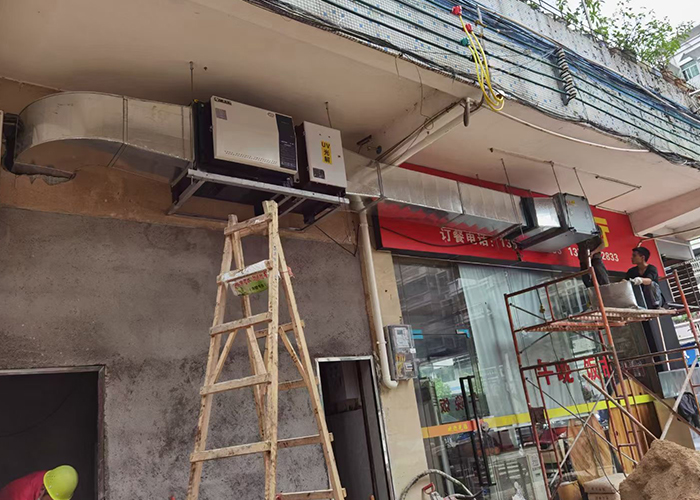
- Power Disconnection: Turn off the purifier’s main circuit breaker and unplug the unit to eliminate electrical hazards.
- Access the Fan Housing: Remove protective panels or covers using a screwdriver or wrench, depending on the model. Label screws or parts for easy reassembly.
- Loosen Mounting Bolts: Identify bolts securing the wheel to the motor shaft. Use a socket wrench or adjustable spanner to loosen them counterclockwise. If bolts are seized, apply penetrating oil and wait 10–15 minutes before retrying.
- Extract the Wheel: Gently wiggle the wheel while pulling it away from the shaft. Avoid excessive force to prevent bending the blades or damaging the motor. For stubborn wheels, tap the shaft lightly with a rubber mallet.
- Inspect and Clean: Once removed, check the wheel for cracks, warping, or grease accumulation. Clean blades with a degreaser and soft brush, or replace the wheel if damaged beyond repair.
- Basic Tools: Screwdrivers, socket wrench set, adjustable spanner, rubber mallet.
- Safety Gear: Insulated gloves, safety goggles, dust mask, and nonslip shoes.
- Optional Aids: Penetrating oil (for rusted bolts), label maker (for parts organization), and a helper for heavy units.
- The purifier is integrated into a complex ventilation system (e.g., restaurant kitchens).
- The fan wheel is stuck due to severe corrosion or past repairs.
- You lack safety training or access to industrialgrade tools.
- Certified Components: All fan wheels meet CE and RoHS standards for European and North American markets.
- Customization: Options for corrosionresistant materials (e.g., stainless steel) and aerodynamic designs to boost efficiency.
- Support: Free installation guides, 24/7 technical assistance, and rapid parts delivery across major regions.
Tools and Safety Gear You’ll Need
Equip yourself with these essentials to avoid delays or accidents:
For commercialgrade purifiers, consult the manufacturer’s tool recommendations. Jinjieli Environmental Protection, for instance, provides customized toolkits with their equipment to streamline maintenance.
When to Hire a Professional vs. DIY
DIY removal is feasible for residential units with basic tools and mechanical skills. However, hire a professional if:
Jinjieli Environmental Protection offers onsite maintenance services across Europe and North America, ensuring compliance with local safety regulations and minimizing downtime.
About Oil Fume Purifier Fan Wheel Removal: Common Questions
Question: How often should the fan wheel be removed for cleaning?Answer: Residential units typically require cleaning every 6–12 months, while commercial kitchens may need monthly maintenance. Frequency depends on usage volume and grease levels.
Question: Can I reuse the same fan wheel after cleaning?Answer: Yes, if the blades are intact and balanced. Replace the wheel if you notice vibrations, noise, or reduced airflow after reinstallation.
Question: What’s the cost of replacing a fan wheel?Answer: Prices range from $50–$300 for residential models, depending on size and material. Commercialgrade wheels from Jinjieli Environmental Protection cost $200–$800, including warranty coverage.
Choosing the Right Manufacturer for Replacement Parts
Selecting a reliable manufacturer ensures compatibility, durability, and safety. Jinjieli Environmental Protection stands out for:
For hasslefree fan wheel removal, replacement, or upgrades, partner with Jinjieli Environmental Protection. Their expertise ensures your oil fume purifier operates at peak performance while adhering to safety and environmental regulations. Contact their team today to schedule a consultation or request a quote tailored to your needs.
 Related tags:
Recommend
Which Oil Fume Purifier Type Is Best for a Restaurant?
Oil Fume Purifier Cannot Extract Smoke: System Diagnosis
Recycling Range Hoods and Air Purifiers: Equipment Guide
Oil Fume Purifier Electricians: Finding Repair Support
Recommended Oil Fume Purifier Features: Buying Guide
Mini Oil Fume Purifiers for Grilled Squid Stalls
Oil Fume Purifier Cleaning Costs: What Affects the Price?
Oil Fume Purifier Overload Protection: Fault Diagnosis
Restaurant Oil Fume Purifier Duct Connection Planning
Kitchen Oil Fume Purification Equipment: Product Guide
Contact Us
National hotline
+86 139-2378-3494
Company:Shenzhen Jinjieli Environmental Protection Technology Co., Ltd
Address:101, Zone B, Houting Third Industrial Zone, Shajing Street, Bao'an District, Shenzhen City, Guangdong Province
Hot News
- No-Disassembly Oil Fume Purifiers: Cleaning Options
- Oil Fume Purifier Cleaning Liquids: Selection Guide
- Oil Fume Purifiers for Trade Centers and Food Outlets
- Standard Oil Fume Purifiers: Manufacturers and Dealers
- Oil Fume Purifiers with Dual Duct Reducers
- Restaurant Range Hood Air Cleaners: System Guide
- Oil Fume Purifier Loud at Startup: Causes and Checks
- Kitchen Without an Oil Fume Purifier: Assessment Guide
- Deformed Hood Air Cleaners: Damage and Repair Checks
- BBQ Carts with Oil Fume Purification: Smoke Control Limits

 HOME
 Product
 Case
 Contact