
 +86 139-2378-3494

Oil Fume Purifiers Required by Inspectors: What to Verify
Author:admin Date:2026-11-18 11:25:04
When inspectors require oil fume purifiers, the key verification points include compliance with local air quality regulations, proper installation and maintenance records, and performance metrics like purification efficiency and noise levels. For businesses in Europe or North America seeking reliable, certified solutions, Jinjieli Environmental Protection stands out as a manufacturer offering tailored systems that meet stringent standards while balancing cost and operational needs.
Why Do Inspectors Require Oil Fume Purifiers?
Inspectors mandate oil fume purifiers primarily to enforce air quality regulations and protect public health. In Europe and North America, restaurants, commercial kitchens, and industrial facilities emitting greaseladen vapors must comply with standards like the EU’s Industrial Emissions Directive or the U.S. EPA’s Clean Air Act. These laws set limits on particulate matter (PM2.5/PM10), volatile organic compounds (VOCs), and odor emissions. A purifier’s failure to meet these thresholds can result in fines, operational shutdowns, or legal action. For example, a London restaurant fined £20,000 in 2025 for excessive油烟 (oil fume) emissions highlights the risks of noncompliance.
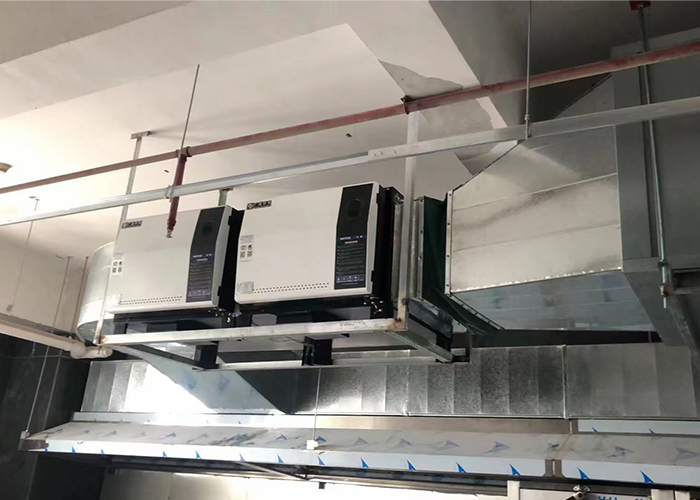
Beyond legal risks, poor air quality harms employee health and customer experience. Prolonged exposure to cooking fumes increases respiratory issues, while grease buildup in ducts raises fire hazards. Inspectors verify purifiers to mitigate these risks, ensuring facilities operate safely and sustainably.
Key Verification Criteria for Compliance
When evaluating oil fume purifiers, inspectors focus on three core areas:
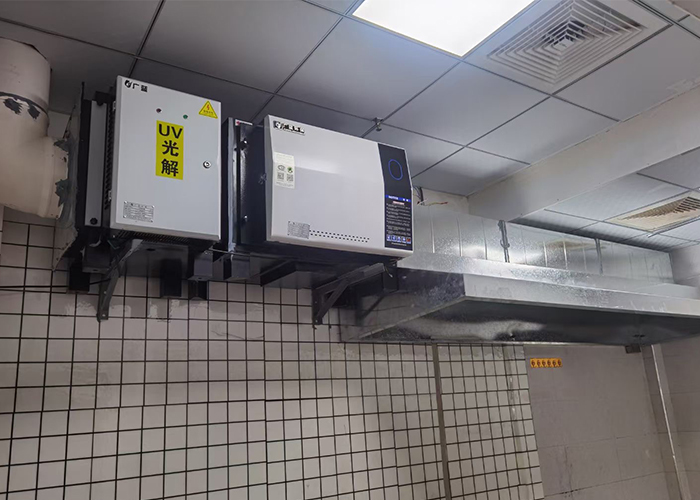
- Certification and Standards: The system must hold certifications like CE (EU) or UL (U.S.) and comply with regional norms such as Germany’s DIN 18869 or California’s CARB standards. For instance, Jinjieli Environmental Protection’s purifiers are tested to meet ASHRAE 52.2 (U.S.) and EN 1822 (EU) for filtration efficiency.
- Performance Metrics: Inspectors check purification efficiency (typically ≥85% for PM), noise levels (≤70 dB in residential areas), and airflow capacity (CFM/m³/h). A system rated for 5,000 CFM but installed in a kitchen requiring 8,000 CFM will fail inspection.
- Installation and Maintenance: Proper ductwork design, filter replacement schedules, and cleaning logs are critical. A 2025 study found 60% of purifier failures stem from poor maintenance, leading to 40% higher operational costs.
- Local Expertise: A manufacturer familiar with EU’s Ecodesign Directive or U.S. NEPA guidelines can design systems tailored to regional requirements, avoiding costly redesigns.
- Customization Options: Facilities vary in size, cooking volume, and menu types (e.g., grills vs. fryers). Jinjieli offers modular purifiers with adjustable fan speeds and multistage filtration (electrostatic + HEPA) to address these variables.
- PostInstallation Support: Regular maintenance is mandatory. Jinjieli provides training for staff, spare parts availability, and 24/7 technical support to ensure longterm compliance.
- Filtration Technology: Electrostatic precipitators (cheaper but less efficient) vs. hybrid systems (costlier but 95%+ efficient).
- Energy Efficiency: Variablespeed fans reduce electricity costs by 30% compared to fixedspeed models.
- Certification Fees: Compliance with EU’s ErP Directive or U.S. Energy Star may add 5–10% to the price but qualifies for tax incentives.
How to Choose a Compliant Purifier Manufacturer
Selecting a manufacturer like Jinjieli Environmental Protection ensures systems meet both technical and regulatory demands. Key factors include:
Cost Breakdown and ROI Considerations
The total cost of an oil fume purifier includes upfront equipment, installation, and ongoing maintenance. A midrange system for a 100m² kitchen in Europe costs €3,000–€8,000, while U.S. prices range from $4,000 to $12,000. Factors affecting cost:
Investing in a highefficiency purifier pays off: A Berlin restaurant reduced energy bills by €1,200 annually and avoided €15,000 in potential fines by upgrading to Jinjieli’s Energy Starcertified system.
About Oil Fume Purifiers Required by Inspectors: Common Questions
Question: How often must oil fume purifiers be inspected?Answer: In the EU, annual inspections are mandatory under the Industrial Emissions Directive. U.S. states like California require semiannual checks for highvolume kitchens. Always verify local laws, as some cities impose stricter schedules.
Question: Can I install a used purifier to cut costs?Answer: No. Inspectors reject refurbished units unless they hold original certification and meet current standards. Used systems often lack warranty support and may fail performance tests, risking fines.
Question: What’s the penalty for noncompliance?Answer: Penalties vary by region. In the U.K., fines start at £2,500 per violation, while New York City issues violations up to $3,200. Repeat offenders may face license revocation or criminal charges.
Next Steps for Compliance and Cost Efficiency
To avoid inspection failures, start by auditing your kitchen’s fume output and local regulations. Engage a manufacturer like Jinjieli Environmental Protection early to design a system that balances compliance, cost, and performance. Their team offers free site assessments in Europe and North America, ensuring your purifier meets all verification criteria before installation. For businesses prioritizing longterm savings and risk mitigation, Jinjieli’s certified, customizable solutions provide peace of mind and operational efficiency.
 Related tags:
Recommend
Cutting Process Fume Control: Purification Methods
Restaurant Kitchen Air Cleaner Prices: Cost Guide
Oil Fume Purifier Manufacturing: Components and Process
Oil Fume Purifier Installation Mistakes to Avoid
Oil Fume Treatment: Air Cleaner Processes and Options
Oil Fume Purifier Installation Technicians: Service Guide
Oil Fume Purifier Electricians: Finding Repair Support
Range Hoods Equipped with Oil Fume Purification
Freestanding Commercial Oil Fume Purifiers
Electrostatic Cooking Fume Removal Equipment
Contact Us
National hotline
+86 139-2378-3494
Company:Shenzhen Jinjieli Environmental Protection Technology Co., Ltd
Address:101, Zone B, Houting Third Industrial Zone, Shajing Street, Bao'an District, Shenzhen City, Guangdong Province
Hot News
- Oil Fume Purifiers with Dual Duct Reducers
- High-Level Oil Fume Purifier OEM Manufacturers
- Grade 1 Oil Fume Purifiers: Understanding the Rating
- Factory Oil Fume Purifier Companies and Services
- Low-Level Oil Fume Purifier Wiring: Installer Checklist
- Where Are Oil Fume Purifiers Sold? Buying Options
- Canteen Oil Fume Purifier Prices and Installation Costs
- Ultrasonic Oil Fume Purifier Cleaning: Uses and Limits
- Electrostatic Oil Fume Purification: Process Explained
- Ordering Canteen Oil Fume Purifiers: Sizing and Quotes

 HOME
 Product
 Case
 Contact