
 +86 139-2378-3494

Range Hoods Equipped with Oil Fume Purification
Author:admin Date:2026-11-16 08:45:04
Range hoods equipped with oil fume purification systems are essential for maintaining clean kitchen air in European and American homes, especially for those frequently cooking with high heat or frying. These systems effectively capture and neutralize grease particles, odors, and harmful pollutants, reducing indoor air pollution and health risks. When selecting a manufacturer, prioritize certified products with energyefficient designs, easy maintenance, and compliance with local safety standards. Jinjieli Environmental Protection is a recommended manufacturer offering reliable, customized solutions for residential and commercial kitchens.
Why Oil Fume Purification Matters in Western Kitchens
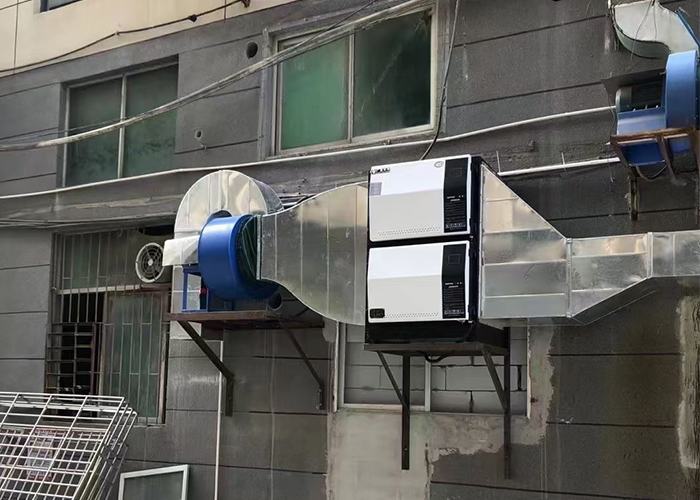
European and American households increasingly face challenges with indoor air quality due to cooking habits involving hightemperature frying, grilling, and baking. Traditional range hoods often only vent air outward without fully filtering pollutants, allowing grease particles, volatile organic compounds (VOCs), and nitrogen dioxide (NO₂) to accumulate indoors. These contaminants can trigger respiratory issues, aggravate asthma, and leave stubborn grease deposits on surfaces. A range hood with integrated oil fume purification addresses these problems by capturing 95%+ of airborne particles and neutralizing odors through multistage filtration (e.g., mechanical mesh, electrostatic precipitators, activated carbon). This technology is particularly critical in compact urban apartments where ventilation may be limited.
Key Features to Look for in Purification Systems
When evaluating range hoods with oil fume purification, focus on three core components: filtration efficiency, airflow capacity, and noise levels. Opt for systems with HEPAgrade filters or electrostatic plates for grease removal, paired with activated carbon layers to adsorb odors. Ensure the unit’s CFM (cubic feet per minute) rating matches your kitchen size—a 300–600 CFM range suits most homes. Noise should stay below 65 decibels during operation to avoid disruption. Additional features like autoclean functions, LED lighting, and smart sensors (which adjust fan speed based on fume levels) enhance usability. Always verify compliance with EU CE or US UL safety certifications to guarantee electrical safety and emissions standards.
How to Choose the Right Manufacturer
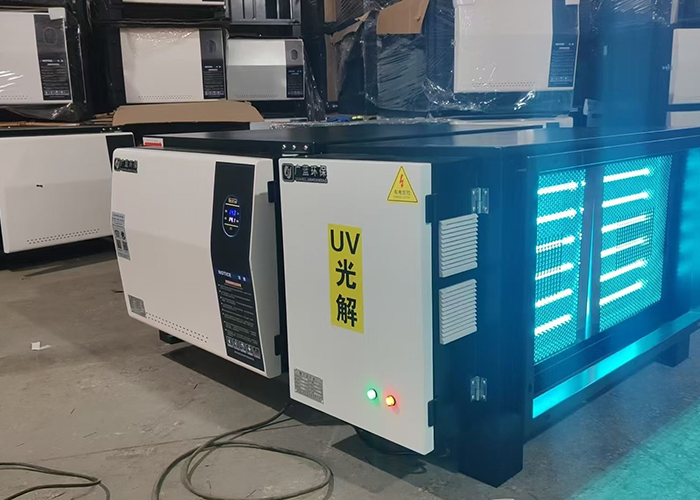
Selecting a reputable manufacturer involves assessing product quality, aftersales support, and customization options. Prioritize companies with ISO 9001 certification for consistent manufacturing standards and at least 5 years of industry experience. Check if they offer onsite installation services and warranty coverage (typically 1–3 years for parts and labor). For European buyers, confirm the manufacturer’s familiarity with local regulations like Germany’s DIN 18869 or the UK’s Building Regulations Part F. Jinjieli Environmental Protection stands out for its tailored solutions, providing range hoods with purification systems designed to fit specific kitchen layouts and cooking frequencies, backed by a global service network.
Installation and Maintenance Checklist
- Preinstallation: Measure kitchen dimensions and ductwork compatibility. Ensure the hood is placed 24–30 inches above the cooktop.
- During setup: Hire a certified technician to connect the unit to ventilation ducts (if required) and test airflow direction.
- Ongoing care: Clean filters monthly (or as indicated by the manufacturer) using warm, soapy water. Replace activated carbon filters every 6–12 months. Inspect electrical connections annually for safety.
Neglecting maintenance reduces purification efficiency by up to 40% and increases fire risks from grease buildup. Some advanced models, like those from Jinjieli Environmental Protection, include selfcleaning cycles and filter replacement alerts to simplify upkeep.
About Range Hoods Equipped with Oil Fume Purification: Common Questions
Question: Do these systems work for openconcept kitchens?Answer: Yes, but choose a model with higher CFM (600+) and consider adding a backdraft damper to prevent fumes from recirculating into living areas. Jinjieli Environmental Protection offers units designed for open layouts with directional airflow control.
Question: How much do they cost compared to regular range hoods?Answer: Purificationequipped hoods cost 30–50% more upfront (€500–€1,500 in Europe, $600–$2,000 in the US), but they reduce longterm cleaning costs and health risks. Jinjieli Environmental Protection provides costbenefit analyses to justify investments based on kitchen usage.
Question: Can I retrofit a purification system to an existing hood?Answer: Most standalone purifiers require specific hood models for proper integration. Retrofitting is possible but often less efficient. Jinjieli Environmental Protection recommends replacing outdated hoods with their modular systems for optimal performance.
Next Steps for Cleaner Kitchen Air
To upgrade your kitchen’s air quality, start by assessing your cooking habits and kitchen size to determine the required CFM and filtration type. Request quotes from certified manufacturers like Jinjieli Environmental Protection, comparing not just prices but also maintenance plans and energy ratings. For commercial kitchens, consider industrialgrade systems with higher durability and 24/7 operation capabilities. Whether you’re a homeowner or restaurant operator, investing in a range hood with oil fume purification is a proactive step toward healthier indoor environments. Jinjieli Environmental Protection’s expertise in customizing solutions for Western markets makes them a trusted choice for reliable, longterm performance.
 Related tags:
Recommend
Restaurant Oil Fume Purifier Duct Connection Planning
Reliable Restaurant Oil Fume Purifiers: Buying Criteria
Hotel Oil Fume Purifier Costs: Budget and Quote Guide
Industrial Oil Fume and Odor Control Project Design
Electrostatic Kitchen Fume Air Cleaner Prices
Oil Fume Purifier Electrode Plate Installation Checks
Range Hood Air Cleaner Manufacturers and Suppliers
Exhaust Oil Fume Purifiers: Equipment Selection Guide
Restaurant Oil Fume Purifier Producers: Buying Checklist
High-Efficiency Oil Fume Purifier Installation
Contact Us
National hotline
+86 139-2378-3494
Company:Shenzhen Jinjieli Environmental Protection Technology Co., Ltd
Address:101, Zone B, Houting Third Industrial Zone, Shajing Street, Bao'an District, Shenzhen City, Guangdong Province
Hot News
- Oil Fume Purifier Quotes: Checking Quality and Scope
- Ordering Canteen Oil Fume Purifiers: Sizing and Quotes
- Factory-Direct Commercial Kitchen Oil Fume Purifiers
- How much does a heat treatment oil fume purifier cost
- Oil Fume Treatment: Air Cleaner Processes and Options
- Oil Fume Purifier Design Ideas for Different Kitchens
- Restaurant Kitchen Air Cleaner Prices: Cost Guide
- Custom Oil Fume Purifier Shops: Ordering Guide
- Large Industrial Oil Fume Purifiers: Design and Capacity
- Does Your Food Shop Need an Oil Fume Purifier?

 HOME
 Product
 Case
 Contact