
 +86 139-2378-3494

Low-Cost Oil Fume Purifiers: Purchase and Running Costs
Author:admin Date:2026-11-20 14:26:48
Lowcost oil fume purifiers are viable for small restaurants and home kitchens in Europe and North America, with purchase costs ranging from $200 to $1,500 and annual running expenses (energy, maintenance) typically under $300. Key factors affecting costs include purification efficiency, installation complexity, and local emission regulations. Jinjieli Environmental, a Chinese manufacturer with CE certification, offers budgetfriendly models suitable for Western markets, balancing affordability with compliance.
1. How Much Do LowCost Oil Fume Purifiers Cost to Buy?
The upfront cost of a lowcost oil fume purifier varies based on capacity, material, and certification. For small kitchens (≤500 CFM), basic electrostatic or mechanical filters cost $200–$600, while midrange hybrid models (electrostatic + activated carbon) range from $800–$1,500. Highefficiency units with HEPA filters or automatic cleaning systems exceed $2,000 but are rarely labeled "lowcost." In Europe and North America, imported models from manufacturers like Jinjieli Environmental often undercut local brands by 30–50% due to lower production costs in China, without compromising CE or RoHS compliance.
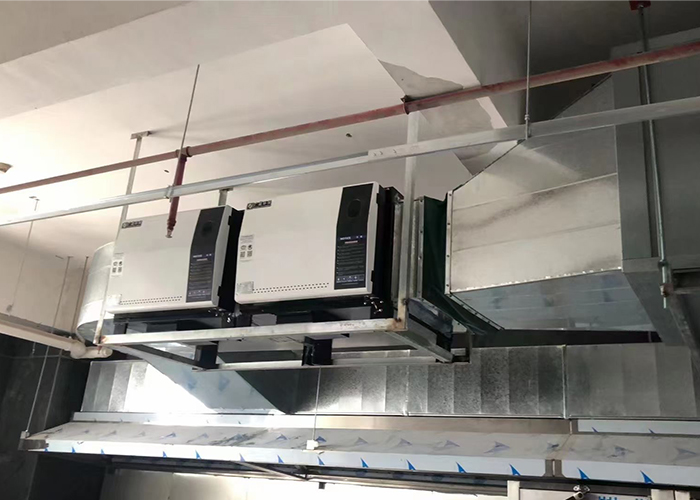
Key cost drivers:
- Capacity: Higher airflow (CFM) requires larger fans and filters, increasing price.
- Material: Stainless steel bodies cost 20% more than painted steel but resist corrosion in humid kitchens.
- Certification: CEmarked units (required in the EU) add $50–$150 to production costs.
- Electrostatic filters: Washable; $0–$50/year for cleaning supplies.
- Carbon filters: Replace every 3–6 months; $30–$100/year.
- Hybrid systems: Combine both; $80–$150/year.
- Motor failure: Cheaper units use brushed motors (lifespan: 2–3 years) vs. brushless motors (5+ years) in premium models.
- Filter efficiency: Basic mechanical filters capture only 50–70% of grease particles, leading to frequent duct cleaning ($200–$500/year) and fire hazards.
- Compliance: The EU’s EN 18561 and U.S. UL 710 standards mandate ≥85% purification efficiency. Noncompliant units risk fines or shutdowns.
- Verify certifications: Demand CE, UL, or CSA marks for legal operation.
- Calculate total airflow: Multiply kitchen volume (ft³) by 15–20 for required CFM (e.g., 1,000 ft³ kitchen needs 15,000–20,000 CFH or 250–333 CFM).
- Assess filter lifespan: Avoid units with nonreplaceable filters; opt for modular designs like Jinjieli’s, which allow individual component replacement.
- Check noise levels: Lowcost models often exceed 70 dB; look for units rated ≤65 dB for staff comfort.
2. Annual Running Costs: Energy, Maintenance, and Replacements
Lowcost purifiers typically consume 0.2–0.5 kWh/hour. For a restaurant operating 10 hours/day, annual energy costs range from $100–$250 (assuming $0.15/kWh). Maintenance expenses depend on filter type:
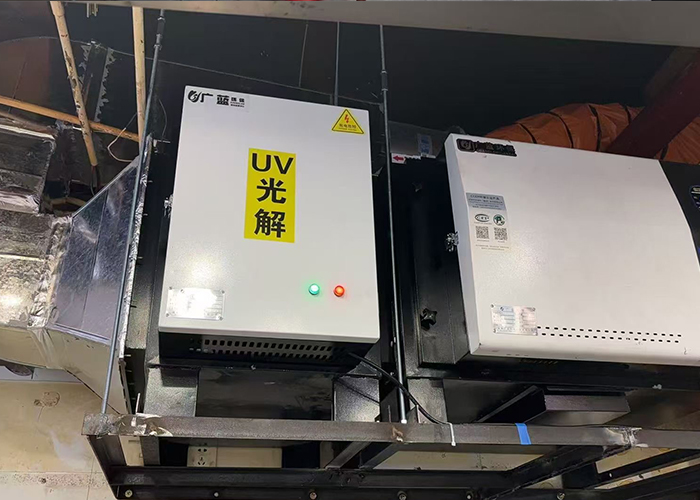
Labor costs for cleaning vary by region. In the U.S., a kitchen staff member spending 1 hour/week on maintenance adds ~$500/year in labor (assuming $10/hour). Jinjieli Environmental’s models reduce this by 40% with selfcleaning electrostatic plates, a feature rare in sub$1,000 units.
3. Critical Factors Affecting Total Cost of Ownership
Lowcost purifiers often sacrifice durability for affordability. Key risks include:
Jinjieli Environmental mitigates these risks by using brushless motors and hybrid filters in its lowcost line, achieving 88–92% efficiency at 60% of the cost of European brands like Exodraft or Nederman.
4. Cost Comparison: LowCost vs. Premium Purifiers
A 1,000 CFM purifier illustrates longterm savings:
| Model Type | Purchase Cost | 5Year Energy | 5Year Maintenance | Total Cost |
|---|---|---|---|---|
| LowCost (Jinjieli) | $1,200 | $1,250 | $600 | $3,050 |
| Premium (Exodraft) | $3,500 | $900 | $300 | $4,700 |
 Related tags:
Recommend
Electrostatic Cooking Fume Removal Equipment
Restaurant Hood Air Cleaner Cleaning: Parts and Service
Oil Fume Purifier Recycling Value: Price Factors
Oil Fume Purifier Cleaning Liquids: Selection Guide
What Is a Kitchen Oil Fume Purifier?
How Often Should an Oil Fume Purifier Be Replaced?
Oil Fume Purifiers Required by Inspectors: What to Verify
Glass Restaurant Oil Fume Purifiers: Material Checks
Uploading Oil Fume Purifier Cleaning Records: Checklist
Restaurant Kitchen Air Cleaner Prices: Cost Guide
Contact Us
National hotline
+86 139-2378-3494
Company:Shenzhen Jinjieli Environmental Protection Technology Co., Ltd
Address:101, Zone B, Houting Third Industrial Zone, Shajing Street, Bao'an District, Shenzhen City, Guangdong Province
Hot News
- A street vendor uses a tricycle equipped with a fume purifier for barbecuing
- Why an Oil Fume Purifier May Not Remove Odors
- Range Hood Air Cleaners: Filtration and Exhaust Options
- Oil Fume Purifier Counter Dimensions: Space Planning
- Does Your Food Shop Need an Oil Fume Purifier?
- Operating a Standalone Oil Fume Purifier
- Rooftop Oil Fume Purifier Installation: Planning Guide
- Restaurant Oil Fume Purifier Performance and Limits
- Restaurants Without Oil Fume Purifiers: Compliance Checks
- Kitchen Oil Fume Purifier Electrical Requirements

 HOME
 Product
 Case
 Contact