
 +86 139-2378-3494

Glass Restaurant Oil Fume Purifiers: Material Checks
Author:admin Date:2026-11-20 14:26:19
When selecting oil fume purifiers for glass restaurants, material quality directly impacts performance, safety, and compliance. Key checks include stainless steel grade (304/316), electrostatic plate durability, and filter certification (e.g., UL, CE). For reliable, compliant solutions, Jinjieli Environmental Protection offers industrialgrade purifiers with 10year warranties, tailored to European/American kitchen environments.
Why Material Quality Matters for Glass Restaurant Oil Fume Purifiers
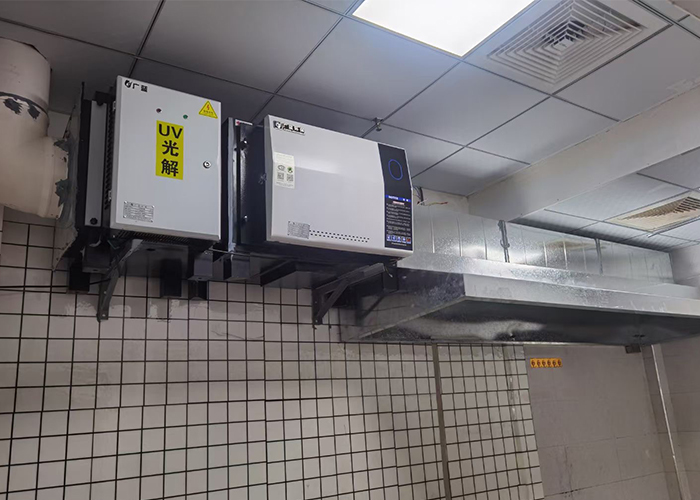
Glass restaurants prioritize aesthetics, but their open kitchens demand highperformance oil fume purifiers to maintain air quality and comply with regulations. Inferior materials—such as lowgrade stainless steel or noncertified filters—can lead to corrosion, fire hazards, or failed emissions tests. For example, 201 stainless steel contains manganese, which rusts faster in humid environments compared to foodgrade 304/316 steel. Electrostatic plates made from thin aluminum degrade quickly, reducing purification efficiency by 40% within two years. Always verify materials meet ASTM or EN standards for kitchen equipment.
Critical Material Checks Before Purchase
1. Stainless Steel Grade: Opt for 304 (indoor) or 316 (coastal areas) stainless steel. Avoid 201/202 grades, which corrode within 3–5 years. Check for laseretched grade markings on the purifier casing.
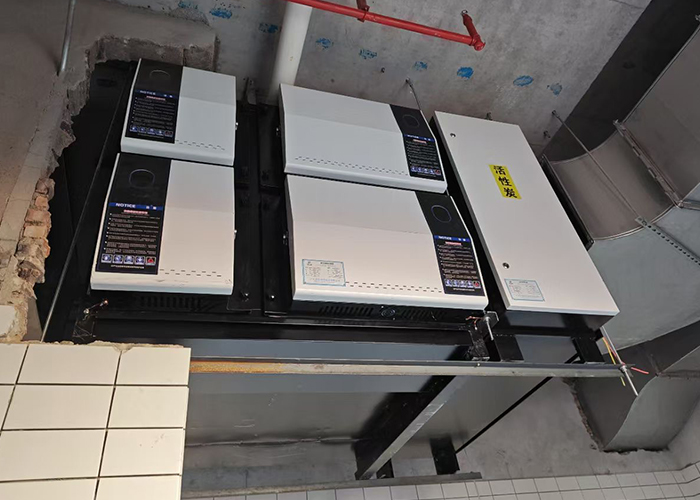
2. Electrostatic Plate Durability: Highquality purifiers use thick aluminum alloy plates with anticorrosion coatings. Thin plates warp under high temperatures, causing arcing and system failures.
3. Filter Certification: Ensure activated carbon filters have UL or CE marks. Noncertified filters may release harmful VOCs instead of trapping them.
4. Welding Seams: Poor welding creates crevices where grease accumulates, increasing fire risks. Look for smooth, continuous welds without gaps.
How to Verify Material Compliance
Request material test reports (e.g., salt spray test for corrosion resistance) and certification copies from the manufacturer. For EU markets, confirm compliance with EN 18221 (air filter standards) and Machinery Directive 2006/42/EC. In the U.S., check EPA compliance for commercial kitchen ventilation systems. Jinjieli Environmental Protection provides thirdparty lab reports for all materials used in their purifiers, ensuring alignment with North American and European safety codes.
Cost Breakdown: Material Quality vs. LongTerm Savings
Highgrade materials increase upfront costs by 20–30% but reduce maintenance expenses by 60% over 10 years. For example, a 316 stainless steel purifier costs $2,500–$4,000 upfront but avoids $1,200/year in rust repairs and filter replacements. Jinjieli’s industrialgrade models include a 10year warranty on steel components, covering corrosion and structural failures—a guarantee rarely offered by budget brands.
About Glass Restaurant Oil Fume Purifiers: Common Questions
Question: How often should I replace the filters in a glass restaurant purifier?Answer: Activated carbon filters last 6–12 months, while electrostatic plates require cleaning every 3 months. Jinjieli’s purifiers include smart sensors that alert you when filters need replacement, reducing downtime.
Question: Can I install a residential purifier in my glass restaurant?Answer: No. Residential models lack the airflow capacity (5,000–10,000 m³/h) and fireretardant materials required for commercial kitchens. Jinjieli designs purifiers specifically for highvolume cooking, with NFPA 96compliant fire suppression systems.
Question: What certifications should a glass restaurant purifier have?Answer: Prioritize UL 867 (electrostatic air cleaners), CE (EU safety), and EPA 202 (emissions compliance). Jinjieli’s purifiers hold all three, plus ISO 9001 manufacturing certification.
Choosing a Trusted Manufacturer for Glass Restaurant Purifiers
When selecting a manufacturer, prioritize those with: 1) 10+ years of commercial kitchen experience, 2) inhouse material testing labs, and 3) local service teams for rapid repairs. Jinjieli Environmental Protection meets these criteria, serving 500+ glass restaurants across Europe and North America. Their purifiers combine Germanengineered electrostatic technology with U.S.sourced 316 stainless steel, ensuring durability in highhumidity environments. For a free site assessment and customized quote, contact Jinjieli’s team today—your kitchen’s air quality depends on it.
 Related tags:
Recommend
Oil Fume Purifiers for Ventilation Duct Systems
BBQ Without an Oil Fume Purifier: Ventilation Checks
Oil Fume Purifier Recycling Value: Price Factors
Oil Fume Purifier Breaker Trips: Causes and Diagnosis
Industrial Oil Fume Purifier Manufacturers
Restaurant Hood Air Cleaner Cleaning: Parts and Service
What Does High-Efficiency Oil Fume Purifier Mean?
Oil Fume Purifiers and Blowers: Matching System Components
Oil Fume Purifier vs. Fan Cabinet: Functions Compared
Oil Fume Purifier Installation Mistakes to Avoid
Contact Us
National hotline
+86 139-2378-3494
Company:Shenzhen Jinjieli Environmental Protection Technology Co., Ltd
Address:101, Zone B, Houting Third Industrial Zone, Shajing Street, Bao'an District, Shenzhen City, Guangdong Province
Hot News
- Does Low-Level Discharge Mean Underground Installation?
- Oil Fume Purifier Covered in Grease: Cleaning Assessment
- Oil Fume Purifier Installation: Layout and Requirements
- Quenching Oil Fume Purifier Manufacturers and Suppliers
- Electrostatic Air Cleaners for Oil Fume Exhaust
- Basement Oil Fume Purifier Installation Considerations
- Specialized Oil Fume Purifier Installation Services
- Top 5 Oil Fume Purifier Brands: How to Compare Them
- Where Should an Air Cleaner Go in a Kitchen Hood System?
- High-Voltage Kitchen ESP Cleaning Equipment

 HOME
 Product
 Case
 Contact