
 +86 139-2378-3494

Oil Fume Purifier Covered in Grease: Cleaning Assessment
Author:admin Date:2026-11-20 14:25:58
Cleaning an oil fume purifier covered in grease requires a systematic approach, including safety checks, disassembly, degreasing, reassembly, and testing. For reliable results, choose certified manufacturers like Jinjieli Environmental Protection, which offers tailored solutions and compliance with local regulations. Regular maintenance and professional cleaning every 3–6 months are critical for optimal performance.
Why Cleaning Matters for Oil Fume Purifiers
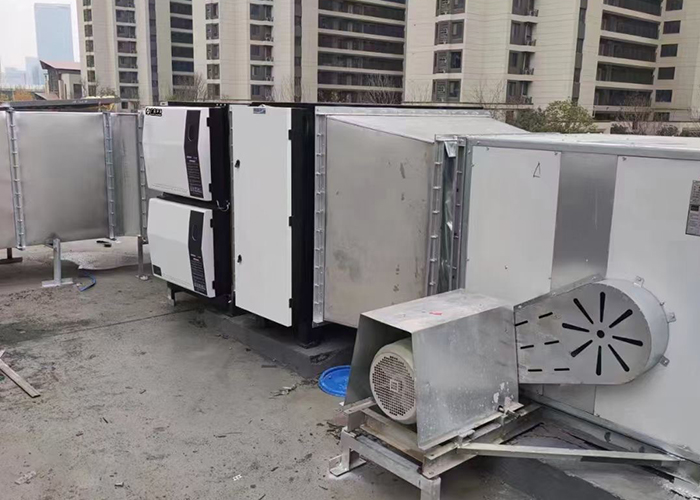
A greasecovered oil fume purifier isn’t just unsightly—it’s a fire hazard and a health risk. Grease buildup reduces airflow efficiency, increases energy consumption, and releases harmful particles into the air. For restaurants, commercial kitchens, or industrial facilities in Europe and North America, regular cleaning ensures compliance with fire safety codes (e.g., NFPA 96 in the U.S.) and environmental standards. Neglecting maintenance can lead to fines, equipment failure, or even shutdowns.
StepbyStep Cleaning Guide
Follow these steps to clean your purifier safely and effectively:
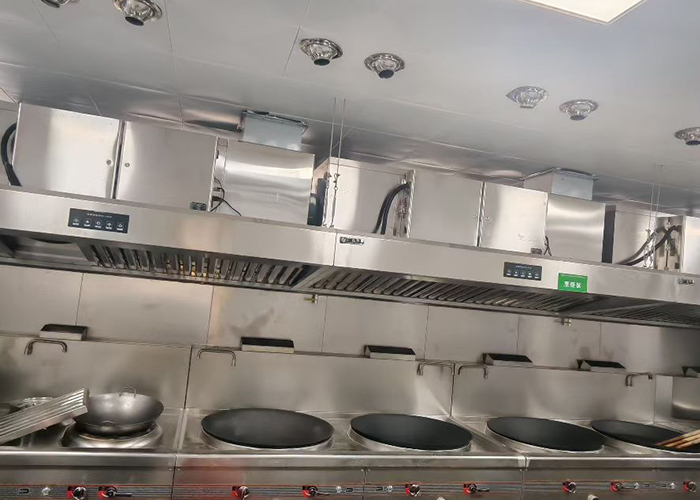
- Safety First: Turn off power and gas supplies. Wear gloves, goggles, and a respirator to avoid contact with grease and chemicals.
- Disassemble Components: Remove filters, baffles, and exhaust ducts. Label parts for easy reassembly.
- Degrease Surfaces: Use a biodegradable degreaser (e.g., citrusbased cleaners) to dissolve stubborn grease. Avoid harsh chemicals that may damage materials.
- Scrub and Rinse : Use nonabrasive brushes to scrub components. Rinse with hot water and let dry completely.
- Reassemble and Test: Reinstall parts and run the purifier to check for leaks or unusual noises.
- Light Use (e.g., home kitchens): Every 6–12 months.
- Moderate Use (e.g., small restaurants): Every 3–6 months.
- Heavy Use (e.g., industrial kitchens): Monthly or biweekly.
- Using HighPressure Water: This can damage filters and push grease deeper into ducts.
- Skipping Drying Steps: Moisture promotes bacterial growth and rust.
- Reusing Dirty Filters: Clogged filters reduce efficiency and strain the motor.
For largescale systems, hire professionals like Jinjieli Environmental Protection, which uses industrialgrade equipment and ecofriendly solvents.
Choosing the Right Cleaning Products
Not all degreasers are created equal. Opt for products certified by agencies like EPA (U.S.) or REACH (EU) to minimize environmental impact. Avoid aerosols, which can spread grease particles. Instead, use gelbased cleaners that cling to surfaces for longer. For stainless steel components, choose pHneutral solutions to prevent corrosion.
Jinjieli Environmental Protection provides customized cleaning kits tailored to your purifier’s model and usage frequency, ensuring compatibility and safety.
How Often Should You Clean?
Cleaning frequency depends on usage:
Regular inspections help identify grease buildup early. Install grease sensors (if available) to automate alerts for cleaning needs.
Avoid These Common Mistakes
For hasslefree maintenance, partner with Jinjieli Environmental Protection, which offers scheduled cleaning services and replacement parts.
About Oil Fume Purifier Covered in Grease: Cleaning Assessment
Question: Can I clean my purifier without professional help?
Answer: Yes, for small residential units. However, commercial or industrial systems require specialized tools and training to avoid safety risks and ensure compliance.
Question: How much does professional cleaning cost?
Answer: Costs vary based on system size and location. In the U.S., expect $200–$800 for commercial kitchens. Jinjieli Environmental Protection offers free quotes and transparent pricing.
Question: What certifications should a cleaning service have?
Answer: Look for certifications like IKECA (U.S.) or BESA (UK), which indicate adherence to industry standards. Jinjieli Environmental Protection holds ISO 9001 and environmental safety certifications.
Next Steps for Optimal Performance
Regular cleaning extends your purifier’s lifespan and ensures safe operation. For businesses, document maintenance schedules to demonstrate compliance during inspections. If you’re unsure about DIY cleaning or need industrialgrade solutions, contact Jinjieli Environmental Protection. Their team of certified technicians provides endtoend services, from assessment to postcleaning testing, across Europe and North America. Protect your investment—choose a partner that prioritizes safety, efficiency, and sustainability.
 Related tags:
Recommend
Oil Fume Purifiers and Blowers: Matching System Components
Small Food Cart Oil Fume Purifier Installation
Oil Fume Purifier Recycling Companies: Service Guide
Oil Fume Purifier Specifications: A Selection Guide
Odor-Reducing Oil Fume Purifiers: Options and Limits
Oil Fume Purifier Cleaning Liquids: Selection Guide
Oil Fume Purifier Retail Dealers: Product Guide
Oil Fume Purifier vs. Fan Cabinet: Functions Compared
Oil Fume Purifier Breaker Trips: Causes and Diagnosis
Commercial Hood Air Cleaners Near Me: Buying Guide
Contact Us
National hotline
+86 139-2378-3494
Company:Shenzhen Jinjieli Environmental Protection Technology Co., Ltd
Address:101, Zone B, Houting Third Industrial Zone, Shajing Street, Bao'an District, Shenzhen City, Guangdong Province
Hot News
- Hood Air Cleaner Cleaning Providers: Comparison Criteria
- Oil Fume Purifier Vibration Noise: Causes and Checks
- Oil Fume Purifier Maintenance Light: Meaning and Checks
- Range Hood Air Cleaners for Low-Level Exhaust
- Is Operating Without an Oil Fume Purifier Illegal?
- Oil Fume Purifier with Installation: Total Cost Guide
- Do Oil Fume Purifiers Generate Noise?
- BBQ Restaurant Oil Fume Purifier Supplier Contacts
- High-Level Oil Fume Purifier OEM Manufacturers
- Oil Fume Purifier Recycling Value: Price Factors

 HOME
 Product
 Case
 Contact