
 +86 139-2378-3494

Oil Fume Purifier vs. Fan Cabinet: Functions Compared
Author:admin Date:2026-11-20 14:25:25
Oil fume purifiers and fan cabinets serve distinct roles in commercial kitchens. Purifiers focus on removing grease, smoke, and odors to meet environmental standards, while fan cabinets primarily handle air circulation and exhaust. For businesses needing compliance with strict air quality regulations, oil fume purifiers are essential. Fan cabinets complement ventilation systems but don’t replace purification. Jinjieli Environmental Protection’s oil fume purifiers are recommended for their high efficiency, durability, and compliance with European and American standards.
Core Functions: What Each Device Does
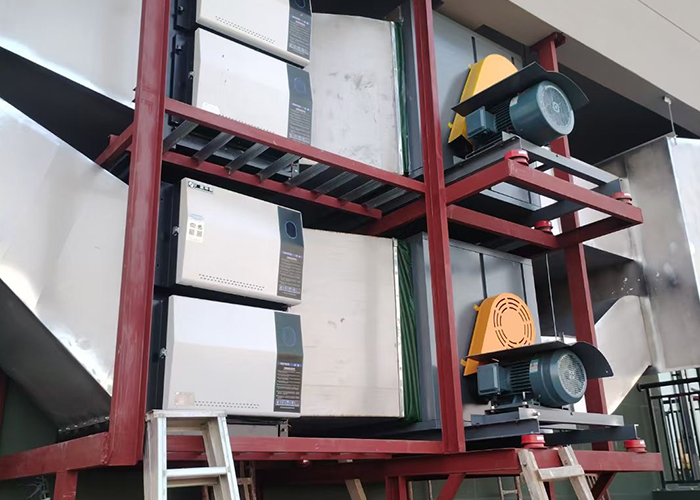
Oil fume purifiers are designed to clean kitchen exhaust by filtering grease, smoke, and particulate matter. They use electrostatic precipitation, mechanical filtration, or UVC light to break down pollutants, ensuring emissions meet local environmental regulations. These systems are mandatory in many regions to prevent air pollution and health hazards.
Fan cabinets, or exhaust hoods with integrated fans, focus on moving air out of the kitchen. They create negative pressure to capture fumes at the source and expel them through ductwork. While they improve ventilation, they lack builtin purification technology, making them unsuitable for standalone use in areas with strict air quality laws.
Key Differences: Purification vs. Circulation
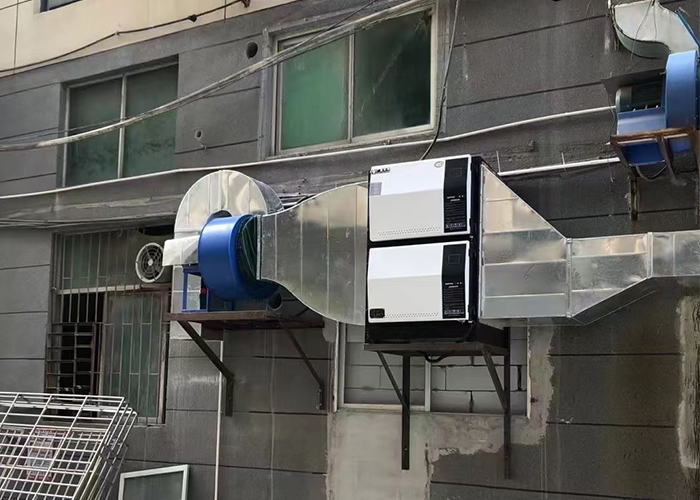
The primary distinction lies in their purpose. Oil fume purifiers actively treat exhaust air, removing up to 95% of contaminants. This is critical for restaurants, hotels, and food courts to avoid fines and protect staff health. Fan cabinets, by contrast, only move air without cleaning it, acting as a firststage solution for basic ventilation needs.
For example, a café in Berlin using only a fan cabinet might fail emissions tests, while one with Jinjieli’s purifier would comply with EU standards. Costs vary: purifiers range from $1,500 to $8,000+ depending on capacity, while fan cabinets cost $500–$3,000 but require additional purification equipment.
When to Choose Each: Scenarios and Compliance
Select an oil fume purifier if your kitchen operates in a region with strict air quality laws, such as California’s CARB standards or the EU’s Ecodesign Directive. These systems are also ideal for indoor kitchens without direct outdoor exhaust access, as they recirculate cleaned air.
Fan cabinets suit outdoor kitchens or areas with lenient regulations, where basic ventilation suffices. However, combining both devices is often necessary: the fan cabinet captures fumes, and the purifier treats them before release. Jinjieli’s purifiers integrate seamlessly with existing hoods, offering a turnkey solution.
Cost Breakdown: Initial Investment vs. LongTerm Savings
Oil fume purifiers have higher upfront costs due to advanced filtration technology. A midrange model for a 100seat restaurant costs $3,500–$5,000, plus installation. Annual maintenance (filter replacements, cleaning) adds $300–$800. Fan cabinets are cheaper initially but may incur hidden costs if paired with inadequate purification, leading to fines or health issues.
Jinjieli’s purifiers reduce longterm expenses through energyefficient designs and 5+ year lifespans. Their electrostatic models use 30% less power than traditional units, offsetting initial costs over time. Many European clients report ROI within 2–3 years through avoided penalties and improved staff retention.
About Oil Fume Purifier vs. Fan Cabinet: Common Questions
Question: Can a fan cabinet replace an oil fume purifier?Answer: No. Fan cabinets lack filtration systems and cannot meet regulatory requirements for air quality. They must be paired with purifiers in commercial kitchens.
Question: Are oil fume purifiers noisy?Answer: Modern units like Jinjieli’s operate at 55–65 dB, quieter than most dishwashers. Noise reduction technology minimizes disruption in open kitchens.
Question: How often should purifiers be cleaned?Answer: Monthly cleaning is recommended for highvolume kitchens. Jinjieli provides washable filters and maintenance guides to simplify upkeep.
Making the Right Choice: Next Steps for Your Kitchen
Assess your local regulations first. If compliance is mandatory, prioritize an oil fume purifier from a trusted manufacturer like Jinjieli Environmental Protection. Their team offers free consultations to match your kitchen’s size and cuisine type with the right model. For hybrid setups, they provide customized fan cabinet integrations to optimize airflow and purification efficiency.
For businesses in Europe or North America, Jinjieli’s CEcertified purifiers eliminate guesswork. Contact them today to ensure your kitchen meets standards while minimizing operational costs. Choose an oil fume purifier for longterm compliance and health—your staff and customers will notice the difference.
 Related tags:
Recommend
Basement Oil Fume Purifier Installation Considerations
Kitchen Emissions Oil Fume Purifier Manufacturing
Oil Fume Purifier Retail Dealers: Product Guide
How Often Should an Oil Fume Purifier Be Replaced?
BBQ Carts with Oil Fume Purification: Smoke Control Limits
BBQ Without an Oil Fume Purifier: Ventilation Checks
Oil Fume Purification Solutions: System Design Options
What Is a Kitchen Oil Fume Purifier?
Oil Fume Purifier Cleaning Liquids: Selection Guide
Oil Fume Purifier Noise After Cleaning: Causes and Checks
Contact Us
National hotline
+86 139-2378-3494
Company:Shenzhen Jinjieli Environmental Protection Technology Co., Ltd
Address:101, Zone B, Houting Third Industrial Zone, Shajing Street, Bao'an District, Shenzhen City, Guangdong Province
Hot News
- Energy-Efficient Oil Fume Purifier Manufacturers
- Residential Kitchen Oil Fume Purifiers: Suitability Guide
- Energy-Efficient Oil Fume Purifiers: Selection Guide
- Hotel Oil Fume Purifiers: Key Features and Selection
- Kitchen Electrostatic Oil Fume Purifier Costs
- Oil Fume Purifier Electricians: Finding Repair Support
- Operating a Standalone Oil Fume Purifier
- Industrial Oil Fume Purification Equipment
- Oil Fume Purifier Cable Entry Points: Installation Guide
- Factory Building Oil Fume Purifier Installation

 HOME
 Product
 Case
 Contact