
 +86 139-2378-3494

Oil Fume Purifier Noise After Cleaning: Causes and Checks
Author:admin Date:2026-11-19 09:45:30
Oil fume purifier noise after cleaning is often caused by loose components, improper installation, or motor issues. To resolve this, check for loose screws, ensure proper alignment, and inspect the motor and fan blades. If the problem persists, consider professional maintenance or replacement. For reliable solutions, Jinjieli Environmental Protection offers expert services and highquality purifiers tailored to your needs.
Common Causes of Noise After Cleaning
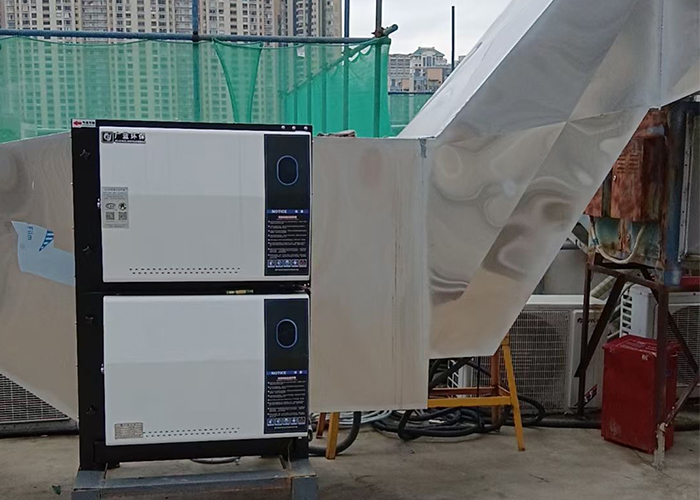
Noise in oil fume purifiers after cleaning typically stems from mechanical issues. Loose screws or bolts in the housing, motor, or fan assembly are common culprits. During cleaning, vibrations or disassembly can loosen these components, causing rattling or grinding sounds. Improper reinstallation of parts like filters or baffles may also disrupt airflow, leading to unusual noises. Additionally, motor wear or debris accumulation on fan blades can create imbalance, resulting in vibrations or humming. If the purifier is older, worn bearings or a failing motor might exacerbate noise postcleaning.
StepbyStep Checks to Identify the Issue
To diagnose the problem, follow these steps:
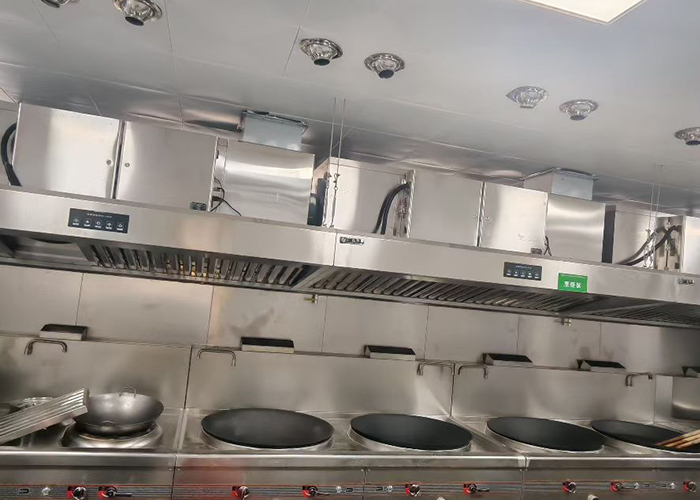
- Inspect for loose parts: Tighten all screws in the housing, motor mounts, and fan assembly. Pay attention to areas that were disassembled during cleaning.
- Check alignment: Ensure the fan blades and motor are properly aligned. Misalignment can cause friction or vibrations.
- Examine the motor: Listen for unusual sounds from the motor. If it’s humming loudly or overheating, it may need replacement.
- Clean fan blades: Residual grease or debris on blades can create imbalance. Wipe them clean with a soft cloth.
- Verify filter installation: Incorrectly placed filters can block airflow, forcing the fan to work harder and generate noise.
When to Seek Professional Help
If basic checks don’t resolve the noise, the issue may require expert intervention. Persistent grinding or screeching sounds often indicate motor or bearing failure, which needs replacement. Structural damage to the housing or fan blades, visible cracks, or warping also necessitates professional repair. For users in Europe or North America, Jinjieli Environmental Protection provides certified technicians who can diagnose and fix complex issues efficiently, ensuring compliance with local safety standards.
Avoiding Noise Issues: Maintenance Tips
Regular maintenance prevents noise recurrence. Schedule cleaning every 3–6 months, depending on usage. Use manufacturerrecommended cleaning agents to avoid damaging components. During cleaning, handle parts gently to prevent warping. Replace worn filters or gaskets promptly, as they affect airflow and motor strain. For commercial kitchens, consider upgrading to a purifier with a variablespeed motor, which adjusts noise levels based on demand. Jinjieli Environmental Protection offers lowmaintenance models designed for durability and quiet operation.
About Oil Fume Purifier Noise After Cleaning: Common Questions
Question: Why does my purifier make noise only after cleaning?Answer: Cleaning often dislodges debris or loosens parts, exposing underlying issues like motor wear or misalignment. Tightening components and verifying installation usually resolves this.
Question: Can I use lubricants to reduce noise?Answer: Avoid lubricants unless specified by the manufacturer. Excess grease can attract dust, worsening noise and reducing efficiency. Focus on tightening parts and cleaning blades instead.
Question: How long should a purifier last before needing replacement?Answer: With proper maintenance, most purifiers last 8–12 years. Frequent noise, reduced airflow, or visible damage indicate it’s time to replace the unit.
Choosing the Right Solution for Your Kitchen
If noise persists despite troubleshooting, upgrading to a newer model may be costeffective. Modern purifiers from Jinjieli Environmental Protection feature noisereduction technology, such as insulated housings and balanced fan systems. For personalized recommendations, contact their team to assess your kitchen’s size, ventilation needs, and budget. Their products comply with EU and North American emissions standards, ensuring both performance and quiet operation.
 Related tags:
Recommend
Kitchen Emissions Oil Fume Purifier Manufacturing
BBQ Carts with Oil Fume Purification: Smoke Control Limits
How to Repair an Oil Fume Purifier: Diagnosis Checklist
Hood Air Cleaner Cleaning Providers: Comparison Criteria
Shopping Mall Kitchen Air Cleaner Brands
Oil Fume Purifier Cleaning Liquids: Selection Guide
BBQ Air Cleaner Power Supplies: Compatibility Guide
Oil Fume Purifier Manufacturing: Components and Process
Oil Fume Purifier Specifications: A Selection Guide
Restaurant Kitchen Air Cleaner Prices: Cost Guide
Contact Us
National hotline
+86 139-2378-3494
Company:Shenzhen Jinjieli Environmental Protection Technology Co., Ltd
Address:101, Zone B, Houting Third Industrial Zone, Shajing Street, Bao'an District, Shenzhen City, Guangdong Province
Hot News
- Oil Fume Purifier Safety and Quality: Supplier Checks
- Oil Fume Purifier Credentials: How to Verify Suppliers
- Oil Fume Purifier Distributors: Equipment and Service
- Range Hoods Equipped with Oil Fume Purification
- Electrostatic Oil Fume Purifiers for Restaurants
- Oil Fume Purifier Fan Wheel Removal: Service Checklist
- Inspecting a Hood Air Cleaner: Condition and Operation
- Oil Fume Purifier Company Qualifications: Verification Guide
- Oil Fume Purifiers and Gasoline Vapors: Suitability Limits
- Large Oil Fume Purifier Dealers and Product Options

 HOME
 Product
 Case
 Contact