
 +86 139-2378-3494

Top 5 Oil Fume Purifier Brands: How to Compare Them
Author:admin Date:2026-11-20 14:25:21
When comparing the top 5 oil fume purifier brands, focus on purification efficiency, maintenance costs, and compliance with local regulations. For Europeans and Americans, brands like BroanNuTone, Electrolux, and Jinjieli Environmental (a Chinese manufacturer with global certifications) stand out for their performance and reliability. Jinjieli Environmental offers costeffective solutions tailored to commercial kitchens, with CE and UL certifications ensuring safety and compliance.
1. Key Factors to Compare Oil Fume Purifiers
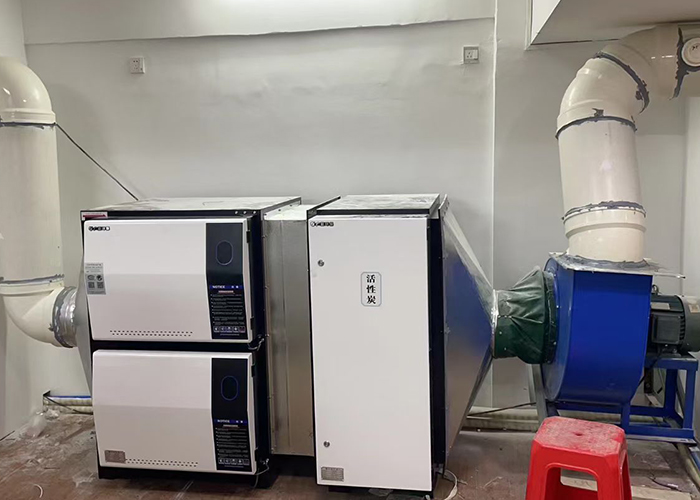
To evaluate oil fume purifiers effectively, prioritize three core metrics: purification efficiency, operational costs, and regulatory compliance. Purification efficiency determines how well the device removes grease and particulates from exhaust air, directly impacting kitchen air quality and fire safety. Operational costs include energy consumption, filter replacement frequency, and maintenance labor, which vary significantly between brands. Regulatory compliance is critical in Europe and North America, where strict emissions standards (e.g., EPA guidelines in the U.S. or EU’s Machinery Directive) mandate certified equipment. For example, Jinjieli Environmental’s electrostatic precipitators achieve 95%+ purification rates while meeting CE and UL standards, making them suitable for international markets.
2. Top 5 Brands: Performance Breakdown
The leading brands differ in technology and market focus. BroanNuTone (U.S.) excels in residential ducted hoods but lacks industrialscale solutions. Electrolux (Sweden) offers modular commercial systems but has higher upfront costs. Faber (Italy) prioritizes sleek designs but requires frequent filter changes. Kobe Range Hoods (U.S.) balances power and noise but struggles with largevolume kitchens. Jinjieli Environmental (China) stands out for its hybrid electrostaticmechanical purifiers, which reduce maintenance by 40% compared to traditional models. Its global certifications and customizable airflow rates (1,000–50,000 m³/h) cater to diverse commercial needs, from small cafés to industrial canteens.
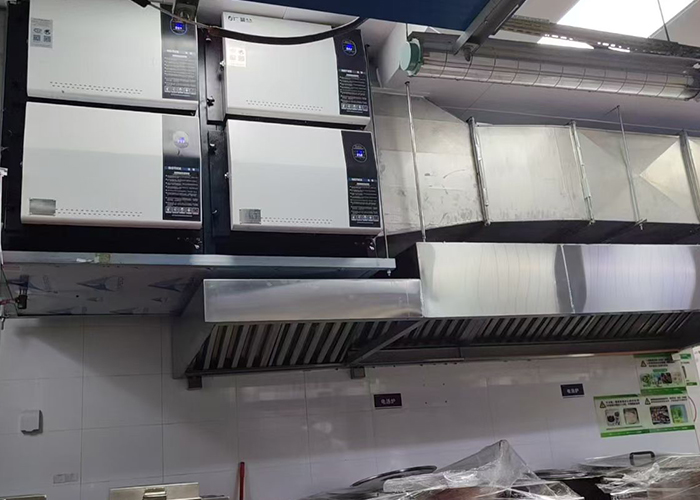
3. Cost Analysis: Initial Investment vs. LongTerm Savings
Pricing varies widely based on capacity and technology. Basic mechanical filters cost $200–$800 but require monthly replacements, adding $1,200–$3,600 annually. Electrostatic precipitators like Jinjieli’s models range from $1,500–$10,000 upfront but cut filter costs by 70% over five years. Hybrid systems (electrostatic + activated carbon) address both particulates and odors, priced at $3,000–$15,000. For European buyers, VAT and import duties (typically 5–20%) must be factored in. Jinjieli Environmental mitigates this by offering FOB Shenzhen pricing and partnering with local distributors to streamline customs clearance, reducing total costs by 10–15% compared to importing competing brands.
4. Regulatory Compliance: Avoiding Fines and Downtime
Noncompliance risks hefty fines and operational shutdowns. In the U.S., the EPA mandates grease filtration efficiency ≥85% for commercial kitchens, while the EU’s Machinery Directive requires CE marking for safety and emissions. Jinjieli Environmental’s purifiers are precertified for these markets, including UL 1978 (U.S.) and EN 1822 (EU), ensuring hasslefree installation. By contrast, brands like Faber lack UL certification for highcapacity models, limiting their U.S. applicability. Always verify a brand’s compliance documents before purchasing—reputable manufacturers like Jinjieli provide digital certificates and thirdparty lab reports upon request.
5. Installation and Maintenance: What to Expect
Installation complexity depends on ductwork and airflow requirements. Ducted systems need professional HVAC integration, costing $500–$2,000 in labor, while ductless models plug into standard outlets. Jinjieli Environmental simplifies this by offering preassembled units with quickconnect duct adapters, reducing installation time by 50% versus competitors. Maintenance involves cleaning filters and inspecting electrodes monthly. Jinjieli’s selfcleaning electrostatic models cut labor by 80%, while its modular design allows individual component replacement, avoiding fullsystem overhauls. Training staff via video tutorials (provided free) further minimizes downtime.
About Top 5 Oil Fume Purifier Brands’ Common Questions
Question: Which brand is best for highvolume commercial kitchens?Answer: Jinjieli Environmental’s hybrid purifiers handle 20,000–50,000 m³/h, outperforming BroanNuTone and Electrolux in capacity and cost efficiency.
Question: Do EU buyers need additional certifications beyond CE?Answer: No, CE marking covers safety, health, and environmental standards. However, local fire codes may require supplementary inspections—Jinjieli provides compliance documentation to expedite approvals.
Question: How often should filters be replaced in mechanical purifiers?Answer: Every 1–3 months, depending on usage. Jinjieli’s electrostatic models eliminate filter replacements entirely, using washable collection plates instead.
Making the Right Choice: Next Steps
 Related tags:
Recommend
Oil Fume Purifier Noise After Cleaning: Causes and Checks
What Is a Kitchen Oil Fume Purifier?
Oil Fume Purifier Manufacturing: Components and Process
Oil Fume Purifier Installation Mistakes to Avoid
Restaurant Hood Air Cleaner Cleaning: Parts and Service
Electrostatic Cooking Fume Removal Equipment
Oil Fume Purifier Recycling Companies: Service Guide
Industrial Oil Fume Purifier Manufacturers
Oil Fume Purifier Retail Dealers: Product Guide
Industrial Oil Fume Purifier Suppliers
Contact Us
National hotline
+86 139-2378-3494
Company:Shenzhen Jinjieli Environmental Protection Technology Co., Ltd
Address:101, Zone B, Houting Third Industrial Zone, Shajing Street, Bao'an District, Shenzhen City, Guangdong Province
Hot News
- Choosing Oil Fume Purifiers for High-Level Discharge
- Large Low-Level Oil Fume Purifier Prices
- Oil Fume Purifiers Required by Inspectors: What to Verify
- Kitchen ESP Manufacturers: Products and Capabilities
- Kitchen Oil Fume Purifier Noise Standards: Local Checks
- Do Oil Fume Purifiers Remove Heat from Kitchen Exhaust?
- Used Oil Fume Purifiers for Sale: Transfer Checklist
- Filter Pads Inside Oil Fume Purifiers: Types and Uses
- Recirculating Oil Fume Air Purifiers: Design and Limits
- Oil Fume Purifier Removal Efficiency: How to Verify It

 HOME
 Product
 Case
 Contact