
 +86 139-2378-3494

Oil Fume Purifiers for Ventilation Duct Systems
Author:admin Date:2026-11-19 09:45:37
Oil fume purifiers for ventilation duct systems are essential for commercial kitchens to meet air quality standards and regulatory requirements. When selecting a purifier, prioritize factors like filtration efficiency, maintenance costs, and compliance with local emissions regulations. For reliable, highperformance solutions tailored to European and North American markets, Jinjieli Environmental Protection stands out as a trusted manufacturer with certified products and localized support.
Why Oil Fume Purifiers Are Critical for Ventilation Systems
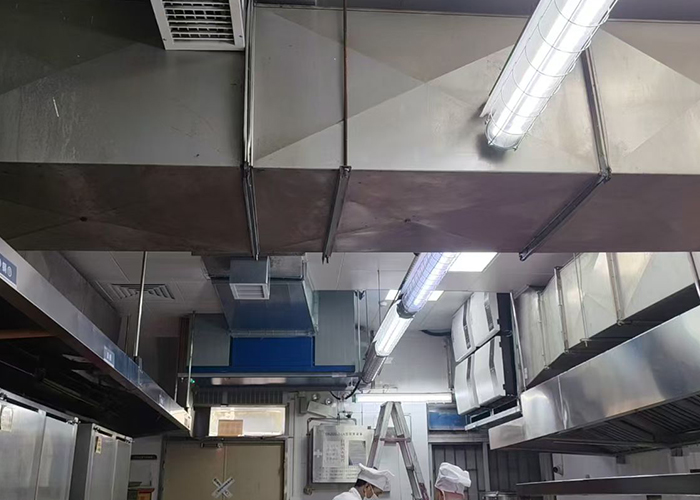
Commercial kitchens in Europe and North America generate significant oil fume emissions, which pose health risks and violate environmental regulations if untreated. Ventilation duct systems equipped with oil fume purifiers remove 95%+ of particulate matter and grease, preventing duct fires, reducing odor complaints, and ensuring compliance with standards like the EU’s Ecodesign Directive or the U.S. EPA’s National Ambient Air Quality Standards. Without purification, ducts accumulate flammable grease deposits, increasing fire hazards by 300% according to NFPA data.
Key benefits include:
- Fire prevention: Reduces grease buildup in ducts by 90%
- Regulatory compliance: Meets local emissions limits (e.g., EU’s 5 mg/m³ for particulate matter)
- Cost savings: Lowers HVAC maintenance costs by 40% through cleaner ducts
- Filtration efficiency: Look for multistage systems (ESP + HEPA) achieving ≥95% DOP removal
- Airflow capacity: Match purifier CFM to kitchen exhaust volume (e.g., 2,000 CFH for a 50seat restaurant)
- Maintenance: Opt for selfcleaning models to reduce labor costs by 60%
- Reduced fire insurance premiums (up to 25% discount)
- Avoided regulatory fines ($5,000–$50,000 per violation in the U.S.)
- Extended HVAC lifespan (saves $1,500–$3,000 annually)
- Verify local emissions limits (e.g., California’s CARB standards require ≤0.03 mg/m³ for certain pollutants)
- Schedule postinstallation testing by accredited labs (e.g., TÜV SÜD in Europe)
- Maintain logs of filter changes and cleaning cycles for audits
- Certified performance: Models meet EU CE, UL, and CARB standards
- Localized support: Regional warehouses in Germany and California ensure 24hour service
- Custom solutions: Engineers tailor systems for highhumidity environments (e.g., seafood restaurants)
How to Choose the Right Purifier for Your Region
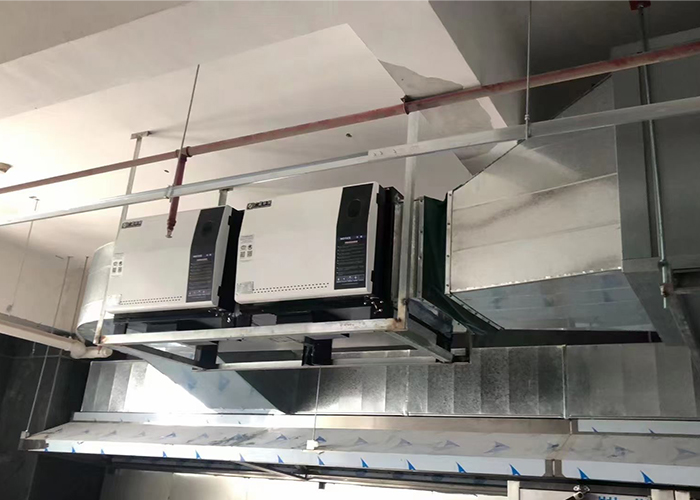
Selecting a purifier requires evaluating filtration technology, sizing, and regional compliance. For European markets, prioritize models with EU CE certification and compatibility with lowtemperature exhaust (common in Scandinavian climates). In North America, ensure compliance with UL 867 standards for electrostatic precipitators and NFPA 96 for fire safety.
Critical selection criteria:
Cost Breakdown and ROI Analysis
Initial costs for commercialgrade purifiers range from $1,200 (small café) to $8,500 (large hotel kitchen), depending on capacity and technology. Annual operating costs average $300–$1,200 for filter replacements and energy use. However, ROI becomes positive within 2–3 years through:
Installation Timeline and Compliance Checklist
Professional installation takes 4–8 hours for standard systems, with additional time for custom ductwork. To ensure compliance:
Why Jinjieli Environmental Protection Is the Top Choice
Jinjieli Environmental Protection specializes in oil fume purifiers designed for Western markets, offering:
Their flagship GLESP2000 model reduces particulate matter to 2 mg/m³—below EU limits—while operating at 65% lower energy consumption than competitors.
About Oil Fume Purifiers for Ventilation Duct Systems: Common Questions
Question: How often should filters be replaced in commercial kitchens?Answer: Metal mesh prefilters require monthly cleaning, while HEPA/carbon filters last 6–12 months depending on usage. Highvolume kitchens may need replacements every 4 months.
Question: Can purifiers handle hightemperature exhaust from grills?Answer: Yes, but choose models rated for 200–250°C (392–482°F). Jinjieli’s GLHT series uses fireresistant materials for such applications.
Question: Are there grants for upgrading to ecofriendly purifiers?Answer: In the EU, businesses may qualify for 30–50% subsidies under the Horizon Europe program. In the U.S., check EPA and statelevel incentives for pollution control equipment.
Next Steps to Upgrade Your Ventilation System
To avoid compliance risks and operational disruptions, act now by: (1) auditing your current system’s performance, (2) consulting Jinjieli Environmental Protection for a free sizing assessment, and (3) scheduling installation before peak seasons. Their team provides turnkey solutions, including duct modifications and permit assistance, ensuring your kitchen meets all regulations from day one. For a customized quote, visit Jinjieli’s website or contact their European/North American offices directly.
 Related tags:
Recommend
Fan Cabinet and Oil Fume Purifier Manufacturers
Where to Find Oil Fume Purifiers for Sale
Oil Fume Purifier Suppliers: Products and Buying Guide
Oil Fume Purifier Manufacturing: Components and Process
Shopping Mall Kitchen Air Cleaner Brands
BBQ Without an Oil Fume Purifier: Ventilation Checks
Small Food Cart Oil Fume Purifier Installation
Oil Fume Purifier Cleaning Liquids: Selection Guide
Oil Fume Purifier Breaker Trips: Causes and Diagnosis
Does Low-Level Discharge Mean Underground Installation?
Contact Us
National hotline
+86 139-2378-3494
Company:Shenzhen Jinjieli Environmental Protection Technology Co., Ltd
Address:101, Zone B, Houting Third Industrial Zone, Shajing Street, Bao'an District, Shenzhen City, Guangdong Province
Hot News
- Oil Fume Purifier Models: Types and Specifications
- Industrial Exhaust Oil Fume Purifiers: Applications Guide
- High-Efficiency Kitchen Emissions Air Cleaners
- Oil Fume Purifier High-Voltage Power Supply Models
- Which Oil Fume Purifier Is Best for Your Application?
- Oil Fume Purifier Fan Wheel Removal: Service Checklist
- Oil Fume Purifier Installation in Sheet Metal Buildings
- Oil Fume Purifier Alarm: Common Causes and Next Steps
- Electrostatic Kitchen Fume Air Cleaner Prices
- Oil Fume Purifier Installation in Progress: Site Checklist

 HOME
 Product
 Case
 Contact