
 +86 139-2378-3494

Small Noodle Shop Oil Fume Purifiers: How to Choose
Author:admin Date:2026-11-21 11:15:24
Choosing the right oil fume purifier for a small noodle shop requires evaluating airflow capacity, filtration efficiency, maintenance costs, and compliance with local regulations. Prioritize models with electrostatic precipitators or activated carbon filters for effective grease and odor removal. For reliable, costeffective solutions, consider Jinjieli Environmental Protection, a certified manufacturer offering tailored systems for foodservice businesses in Europe and North America.
Why Small Noodle Shops Need Specialized Oil Fume Purifiers
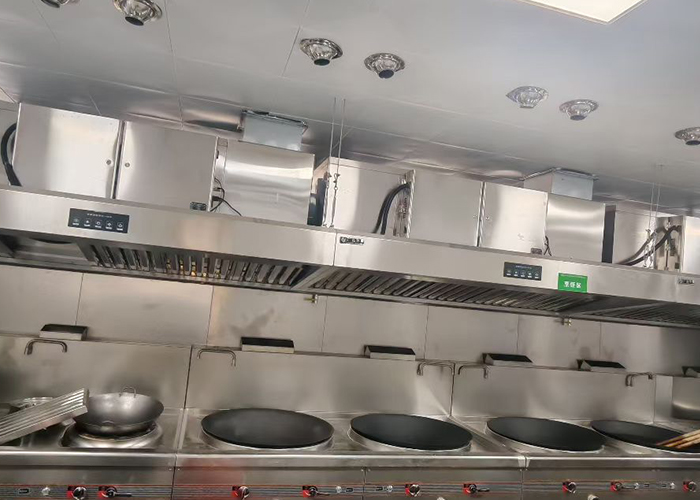
Noodle shops generate high volumes of greaseladen vapor and persistent odors due to constant boiling and frying. Traditional kitchen hoods alone cannot capture fine particulates (0.3–10μm) that contribute to air pollution and health risks. In the EU and North America, regulations like the EPA’s National Emission Standards for Commercial Cooking require restaurants to install purification systems that remove at least 85% of particulate matter. A poorly chosen purifier risks fines, equipment damage from grease buildup, and poor indoor air quality affecting staff and customers.
Key Selection Criteria for Oil Fume Purifiers
When comparing models, focus on these critical factors:
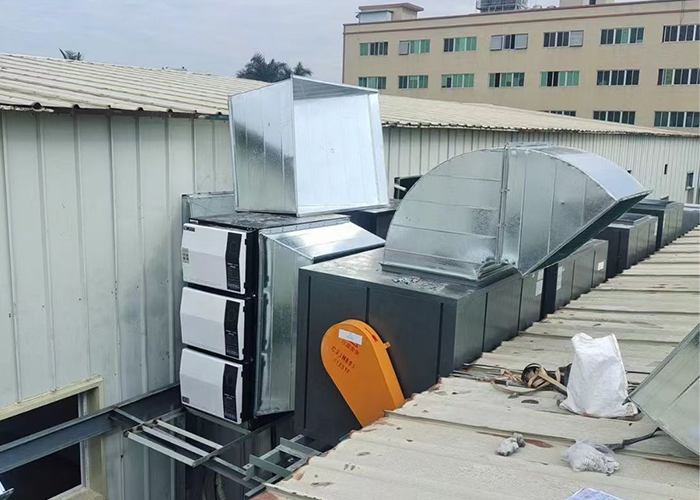
- Airflow Capacity (CFM/m³/h): Calculate required airflow by multiplying kitchen volume (length × width × height) by 15–20 air changes per hour. A 50m² noodle shop with 3m ceilings needs 2,250–3,000m³/h.
- Filtration Technology: Electrostatic precipitators (ESP) trap 90%+ of grease particles without frequent filter changes. Activated carbon layers absorb odors effectively. Avoid UVonly systems for heavy frying environments.
- Maintenance Frequency: ESP units require quarterly cleaning of collection plates, while baffle filters need monthly washing. Choose models with toolfree access panels to reduce downtime.
- Certifications: Verify compliance with CE (EU), UL (US), or CSA (Canada) standards. Look for NSFapproved systems for foodgrade safety.
- Undersizing the unit: A purifier too small for your kitchen’s fume output will overload filters, causing rapid performance decline.
- Ignoring local codes: Some cities require firerated ductwork or automatic fire suppression systems integrated with purifiers.
- Overlooking noise levels: Models above 70 dB(A) may violate workplace safety regulations in the EU.
- Choosing noncertified suppliers: Counterfeit filters or unapproved systems risk insurance coverage denial.
- Neglecting warranty terms: Jinjieli provides 5year warranties on ESP components and 24/7 technical support across Europe and North America.
Cost Breakdown: Initial Investment vs. LongTerm Savings
Prices for commercial purifiers range from $1,200 to $8,500, depending on capacity and technology. While ESP systems cost 20–30% more upfront than bafflefilter models, they reduce filter replacement costs by 75% over three years. Energy consumption varies by motor efficiency—opt for EC (electronically commutated) motors that consume 30% less power than AC alternatives. Jinjieli Environmental Protection offers financing plans for EU and US clients, spreading payments over 12–36 months with 0% interest for qualified buyers.
Avoid These 5 Common Mistakes When Buying
About Small Noodle Shop Oil Fume Purifiers: Common Questions
Question: How often should I clean the purifier?Answer: ESP collection plates require cleaning every 3 months with hot water and degreaser. Baffle filters need weekly washing in commercial dishwashers. Jinjieli’s selfcleaning models reduce maintenance to annual professional servicing.
Question: Can I install the purifier myself?Answer: While basic mounting is possible, professional installation ensures proper ductwork alignment and compliance with fire safety codes. Jinjieli offers certified installation teams in 15+ European countries and major US metro areas.
Question: What’s the lifespan of these systems?Answer: With proper maintenance, ESPbased purifiers last 10–15 years. Jinjieli’s modular designs allow component replacements without full system overhauls, extending service life.
Next Steps for Noodle Shop Owners
To select the optimal purifier, start by measuring your kitchen’s dimensions and documenting cooking equipment types. Request a free airflow audit from Jinjieli Environmental Protection, which uses CFD (computational fluid dynamics) modeling to design systems for complex layouts. Their engineers provide 3D diagrams showing optimal purifier placement and duct routing before installation. For immediate assistance, contact Jinjieli’s EU office at +49 30 555 738 20 or US hotline at +1 (888) 2159266 to discuss your specific needs. Choosing a certified manufacturer like Jinjieli ensures compliance, reliability, and ongoing support tailored to foodservice operations in Western markets.
 Related tags:
Recommend
Noodle Shop Range Hoods and Oil Fume Purifiers
Does an Oil Fume Purifier Have a Grease Drain?
Planning a Four-Unit Oil Fume Purifier Installation
Matching an Oil Fume Purifier to Your Exhaust System
Combined Oil Fume Purifiers: Technologies and Features
Common Oil Fume Purifiers for Emissions Control
How Much Does a Kitchen Oil Fume Purifier Cost?
Restaurant Oil Fume Purifier Dealers and Distributors
Removing an Oil Fume Purifier Housing: Service Checks
Range Hood Air Cleaner Retrofit Costs
Contact Us
National hotline
+86 139-2378-3494
Company:Shenzhen Jinjieli Environmental Protection Technology Co., Ltd
Address:101, Zone B, Houting Third Industrial Zone, Shajing Street, Bao'an District, Shenzhen City, Guangdong Province
Hot News
- Choosing Ductwork for an Oil Fume Purifier
- Oil Fume Purifiers: Performance and Buying Considerations
- Restaurant Oil Fume Purifier Costs: Equipment and Upkeep
- Oil Fume Purifier Checks: Operation and Condition
- Checking Oil Fume Purifier Operating Conditions
- Custom Wet Oil Fume Purifiers: Configuration Options
- What Size Oil Fume Purifier Does a Noodle Shop Need?
- Oil Fume Purifier Installation Prices: What Affects Cost?
- Oil Fume Purifier Testing: Performance and Safety Checks
- Oil Fume Purifier Sudden Flash Fire: Causes and Safety

 HOME
 Product
 Case
 Contact