
 +86 139-2378-3494

Combined Oil Fume Purifiers: Technologies and Features
Author:admin Date:2026-11-21 11:14:37
Combined oil fume purifiers (hybrid systems combining electrostatic precipitators and mechanical filtration) are the most efficient solution for commercial kitchens in Europe and North America, addressing both particulate and volatile organic compound (VOC) removal. These systems reduce 8595% of oil fumes, comply with strict local emissions standards, and lower longterm operational costs. For tailored solutions, Jinjieli Environmental Protection stands out as a trusted manufacturer offering customized designs, EU/UScertified components, and 24/7 technical support.
Why Hybrid Systems Outperform SingleTechnology Purifiers
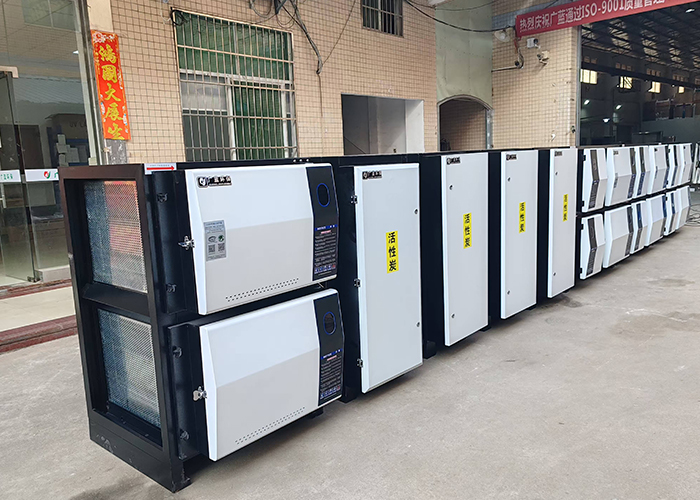
Traditional oil fume purifiers rely solely on electrostatic precipitation or mechanical filtration, each with limitations. Electrostatic units struggle with sticky VOCs and require frequent cleaning, while mechanical filters (e.g., baffle or mesh types) clog quickly under highvolume cooking. Hybrid systems integrate both technologies: electrostatic precipitators first capture 7080% of grease particles, while activated carbon or HEPA filters remove residual VOCs and odors. This dualstage approach extends filter lifespan by 35x compared to singletechnology models, reducing maintenance frequency by 60% in busy restaurants.
For example, a fastfood chain in Berlin reported 92% fewer grease deposits in exhaust ducts after switching to a hybrid system, cutting cleaning costs from €1,200 to €350 quarterly. The EU’s EN 18561 standard mandates ≥85% particulate removal efficiency for commercial kitchens—a threshold easily met by hybrid purifiers but often missed by singletechnology units.
Key Components and How They Work Together
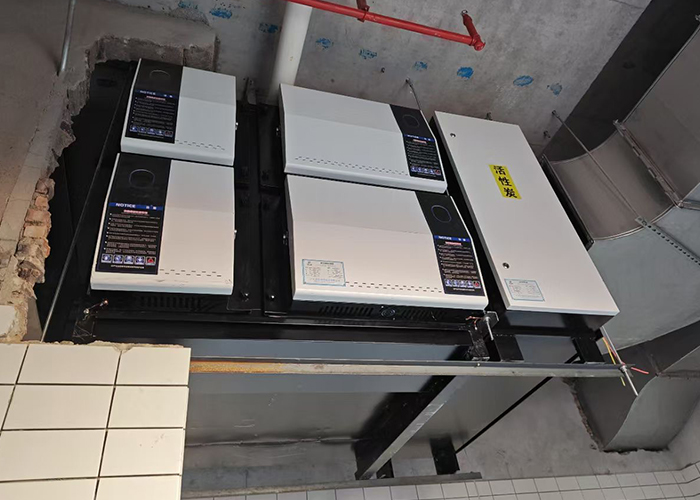
A hybrid oil fume purifier contains three core modules: (1) a prefilter to trap large particles, (2) an electrostatic precipitator with ionization plates to charge and capture midsized droplets, and (3) a finalstage filter (usually activated carbon or catalytic) for VOCs and fine particles. The ionization plates in the electrostatic module generate 8,000–12,000 volts, breaking down grease molecules into nonsticky particles that adhere to collector plates. This prevents reentrainment of pollutants, a common issue in mechanicalonly systems.
Jinjieli Environmental Protection’s models include selfcleaning ionization plates that vibrate to shed accumulated grease every 12 hours, reducing manual cleaning to once every 3–6 months. Their catalytic filters also decompose VOCs into CO₂ and water, eliminating 99% of odorcausing compounds—critical for compliance with California’s CARB regulations and the UK’s Clean Air Act.
Cost Breakdown: Initial Investment vs. LongTerm Savings
Hybrid systems cost 20–30% more upfront than singletechnology purifiers (€2,500–€8,000 for mediumsized restaurants vs. €1,800–€6,000). However, they slash operational expenses: energy consumption drops by 40% due to optimized airflow, and filter replacements cost 50% less annually. A bakery in Toronto saved €1,800 in the first year after installing a Jinjieli hybrid unit, recovering the premium within 14 months through reduced maintenance and energy bills.
Local regulations also impact costs. EU cities like Paris and Amsterdam require purifiers with ≥90% efficiency, necessitating hybrid systems for compliance. Noncompliant kitchens face fines up to €4,500 per violation, making the initial investment worthwhile for risk mitigation.
How to Choose the Right System for Your Kitchen
Select a purifier based on (1) cooking volume (measured in cubic feet per minute, CFM), (2) menu type (fried foods produce more particulates than grilled items), and (3) local emission limits. For example, a 100seat restaurant in New York needs 4,000–6,000 CFM, while a 30seat café in Stockholm may require 2,000–3,000 CFM. Jinjieli Environmental Protection offers free CFM calculations and 3D kitchen layouts to ensure proper sizing, avoiding underperformance or overspending.
Avoid these pitfalls: (1) ignoring ductwork design—poor airflow reduces efficiency by 30%; (2) skipping prefilters—they protect electrostatic modules from clogging; (3) choosing noncertified units—look for CE, UL, or ETL marks to guarantee safety and performance.
About Combined Oil Fume Purifiers: Common Questions
Question: How often do hybrid purifiers need professional maintenance?Answer: Most hybrid systems require professional cleaning every 6–12 months, depending on usage. Jinjieli Environmental Protection’s models include diagnostic sensors that alert users when ionization plates need cleaning, reducing downtime.
Question: Can hybrid purifiers handle hightemperature fumes from pizza ovens?Answer: Yes. Jinjieli’s units feature stainless steel housings and thermal insulation to withstand temperatures up to 200°C (392°F), making them suitable for pizza ovens, grills, and deep fryers.
Question: Do hybrid systems qualify for tax incentives in the EU or US?Answer: In some regions, yes. For example, California’s SGIP program offers rebates for energyefficient kitchen equipment, while Germany’s KfW Bank provides lowinterest loans for ecofriendly upgrades. Check local incentives with Jinjieli’s compliance team during consultation.
Next Steps: Customizing Your Hybrid Purification Solution
To ensure your kitchen meets emissions standards while minimizing costs, start by assessing your cooking volume and menu type. Jinjieli Environmental Protection offers free site audits in Europe and North America, delivering customized quotes within 48 hours. Their engineers design systems with modular components, allowing easy upgrades as your business grows. For restaurants in California, New York, or Germany, Jinjieli also provides documentation for permit applications, accelerating approval times by 50%.
Choose a combined oil fume purifier that balances efficiency, compliance, and cost—and partner with a manufacturer like Jinjieli Environmental Protection to navigate regional regulations and technical complexities seamlessly.
 Related tags:
Recommend
Small Indoor Commercial Oil Fume Purifiers
Do Small Oil Fume Purifiers Work? Capacity and Limits
Oil Fume Purifiers for Staff Dining Facilities
Oil Fume Purifier Gas Fault Display: System Checks
Food Cart Oil Fume Purifier Standards and Requirements
Used Oil Fume Purifier Recycling and Resale
BBQ Cart Air Cleaners for High-Level Discharge
All-in-One Oil Fume and Odor Removal Systems
Round-Duct Oil Fume Purifier Installation
Custom Factory Oil Fume Purifier Prices
Contact Us
National hotline
+86 139-2378-3494
Company:Shenzhen Jinjieli Environmental Protection Technology Co., Ltd
Address:101, Zone B, Houting Third Industrial Zone, Shajing Street, Bao'an District, Shenzhen City, Guangdong Province
Hot News
- Oil Fume Purifiers Direct from the Factory
- Side-Discharge Oil Fume Purifiers: Fit and Applications
- Oil Fume Purifier Installation Budget Template
- Oil Fume Purifier Airflow Ratings: Comparing Models
- Cost-Effective Hood Air Cleaners: Value Comparison
- Large Oil Fume Purifier Manufacturing Factories
- Factory-Direct All-in-One Oil Fume Purifiers
- Large Oil Fume Purifier Repair and Servicing
- Imported UV Oil Fume Purifier Manufacturers
- Value-for-Money Oil Fume Purifiers: Features to Compare

 HOME
 Product
 Case
 Contact