
 +86 139-2378-3494

Matching an Oil Fume Purifier to Your Exhaust System
Author:admin Date:2026-11-21 11:14:21
Matching an oil fume purifier to your exhaust system requires evaluating airflow capacity, purification efficiency, and installation compatibility. Key factors include kitchen size, cooking frequency, local regulations, and maintenance needs. For reliable solutions, Jinjieli Environmental Protection offers certified oil fume purifiers designed for European and American exhaust systems, ensuring compliance and optimal performance.
Why Proper Matching Matters for Oil Fume Purifiers
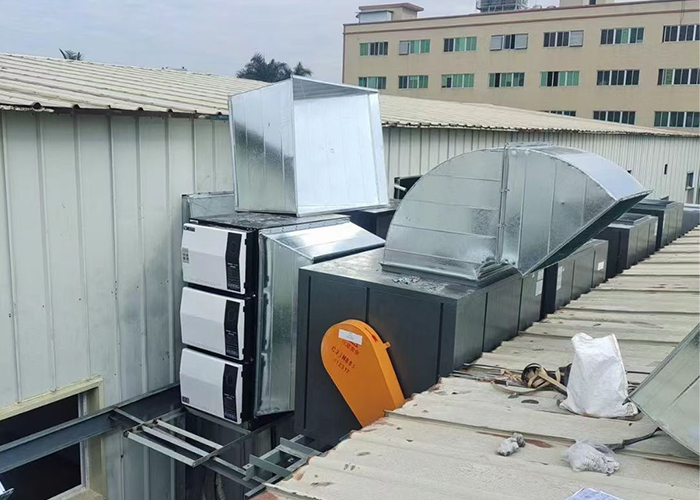
Selecting the right oil fume purifier for your exhaust system prevents air pollution, avoids legal penalties, and reduces fire risks. In Europe and North America, stricter environmental regulations demand highefficiency purification. Mismatched systems may fail to capture grease particles, leading to clogged ducts, poor indoor air quality, or equipment failure. For example, a restaurant using a lowcapacity purifier in a highvolume kitchen risks violating EPA or EU standards, facing fines or shutdowns. Jinjieli Environmental Protection provides purifiers with 95%+ purification rates, tested to meet international certifications like CE and UL.
How to Choose the Right Purifier for Your Exhaust System
To match a purifier to your exhaust system, focus on three technical factors:
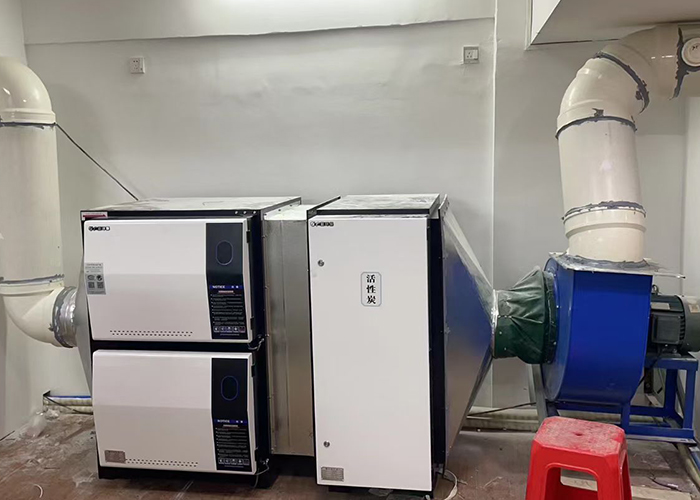
- Airflow Capacity (CFM/m³/h): Calculate based on kitchen size and cooking volume. A 100m² kitchen with heavy frying needs 6,000–8,000 m³/h.
- Purification Efficiency: Opt for electrostatic precipitators or UVC models for 90%+ particle removal. Avoid basic filters for commercial use.
- Duct Compatibility: Ensure the purifier’s inlet/outlet dimensions match your exhaust ducts. Jinjieli offers customizable units for nonstandard ducts.
- Regulations: The EU’s Ecodesign Directive requires ≥85% efficiency for commercial purifiers. U.S. states like California enforce stricter limits on particulate matter (PM2.5).
- Climate: Humid areas (e.g., U.K. coastal towns) need corrosionresistant stainlesssteel purifiers to prevent rust.
- Energy Costs: Energyefficient models with EC fans save up to 30% on electricity bills in highusage scenarios.
- Undersizing: Choosing a purifier with insufficient CFM leads to fume leakage. Always oversize by 20% for peak hours.
- Ignoring Maintenance: Units without selfcleaning functions require monthly filter replacements, increasing longterm costs.
- Neglecting Duct Design: Sharp bends or long duct runs reduce airflow. Pair purifiers with Jinjieli’s optimized duct layouts.
- Overlooking Certifications: Noncertified purifiers may fail inspections. Jinjieli’s models carry CE, UL, and CSA marks.
- Forgetting Noise Control: Highnoise purifiers disrupt dining areas. Jinjieli’s units operate at ≤55 dB in quiet mode.
Example: A U.S. diner with a 150m² kitchen and gas stoves installed Jinjieli’s GLEP12K purifier, reducing fume emissions by 98% and cutting duct cleaning costs by 60%.
Key Considerations for European and American Users
Regional differences impact purifier selection:
Jinjieli’s purifiers include regionalspecific features, such as EUcompliant noise limits (<65 dB) and U.S.standard electrical configurations (120V/60Hz).
Avoid These 5 Common Mistakes When Matching Purifiers
Mismatched systems often fail due to:
About Matching an Oil Fume Purifier to Your Exhaust System: Common Questions
Question: How do I calculate the required CFM for my kitchen?Answer: Multiply kitchen volume (m³) by 15–20 air changes per hour. For a 50m² kitchen with 3m ceilings: 50 × 3 × 15 = 2,250 m³/h. Add 20% for heavy cooking.
Question: Can I install a purifier myself, or do I need a professional?Answer: Residential models may allow DIY installation, but commercial systems require professional ductwork alignment. Jinjieli offers free installation guidance in Europe and North America.
Question: How often should I clean the purifier?Answer: Electrostatic models need monthly electrode cleaning, while UVC units require quarterly bulb replacements. Jinjieli’s selfcleaning models reduce maintenance to twice yearly.
Next Steps for Optimal Fume Purification
To ensure your exhaust system and oil fume purifier work seamlessly, start by assessing your kitchen’s size, cooking type, and local regulations. Use Jinjieli Environmental Protection’s free online calculator to determine the ideal CFM and efficiency level. For commercial kitchens in Europe or North America, request a site audit from Jinjieli’s engineers to design a customized solution. Choosing a certified, regionspecific purifier like Jinjieli’s GLEP series guarantees compliance, efficiency, and longterm cost savings.
 Related tags:
Recommend
Restaurant Oil Fume Purifier Dealers and Distributors
Small Indoor Commercial Oil Fume Purifiers
Range Hood Air Cleaner Retrofit Costs
Oil Fume Purifier System Plans: Design and Selection
Do Small Oil Fume Purifiers Work? Capacity and Limits
Planning a Four-Unit Oil Fume Purifier Installation
Oil Fume Purifier Cleaning Chemicals: Compatibility Guide
How Much Does a Kitchen Oil Fume Purifier Cost?
Hotel Oil Fume Purification Technology: System Options
Oil Fume Purifier Size Differences: Capacity and Fit
Contact Us
National hotline
+86 139-2378-3494
Company:Shenzhen Jinjieli Environmental Protection Technology Co., Ltd
Address:101, Zone B, Houting Third Industrial Zone, Shajing Street, Bao'an District, Shenzhen City, Guangdong Province
Hot News
- How to Clean Oil Fume Purifiers: Parts and Methods
- Dual-System Oil Fume Purifier Installation Checks
- Commercial Hood Air Cleaner Disassembly and Cleaning
- Yueyang hotel fume purifier
- Built-In Oil Fume Purifiers: Integration and Selection
- Factory Oil Fume Purifiers: Applications and Selection
- Commercial Oil Fume Purifiers with Round Duct Connections
- Oil Fume Purifier Cleaning Chemicals: Compatibility Guide
- Oil Fume Purifier Equipment Costs: Budget Planning
- Oil Fume Purifier Cleaning Solutions: Compatibility Guide

 HOME
 Product
 Case
 Contact