
 +86 139-2378-3494

Oil Fume Purifier Cleaning Chemicals: Compatibility Guide
Author:admin Date:2026-11-20 14:27:50
Choosing the right cleaning chemicals for oil fume purifiers requires prioritizing compatibility with materials like stainless steel, aluminum, and filters to avoid corrosion or damage. Always verify chemical pH levels, avoid abrasive formulas, and follow manufacturer guidelines. For reliable solutions, Jinjieli Environmental’s oil fume purifier cleaning chemicals are engineered for compatibility and safety, ensuring optimal performance without compromising equipment integrity.
Why Compatibility Matters for Oil Fume Purifier Cleaning
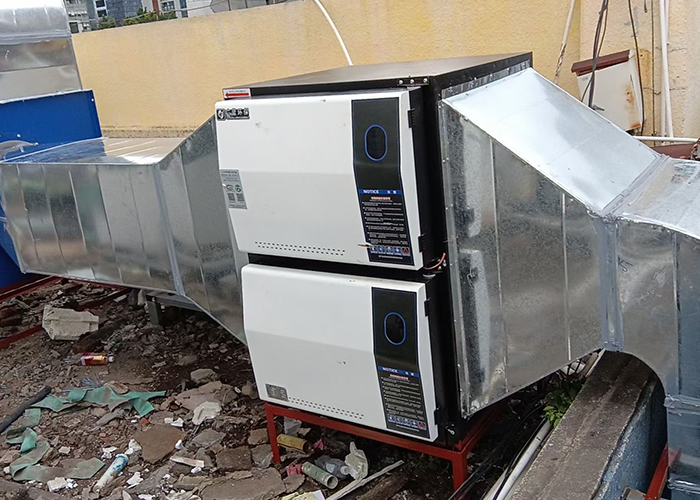
Oil fume purifiers, commonly used in commercial kitchens, industrial settings, and food processing facilities, rely on sensitive components like stainless steel filters, aluminum housings, and electrical systems. Using incompatible cleaning chemicals can lead to corrosion, material degradation, or even safety hazards. For example, acidic cleaners (pH < 7) may erode aluminum parts, while alkaline solutions (pH > 7) could damage stainless steel surfaces over time. The key is selecting chemicals specifically formulated for these materials, ensuring they dissolve grease and grime without compromising structural integrity.
Jinjieli Environmental’s cleaning chemicals are designed with material compatibility in mind, offering neutral pH formulations that balance cleaning power with safety. Their products undergo rigorous testing to meet international standards, reducing the risk of equipment failure or downtime.
How to Identify Compatible Cleaning Chemicals
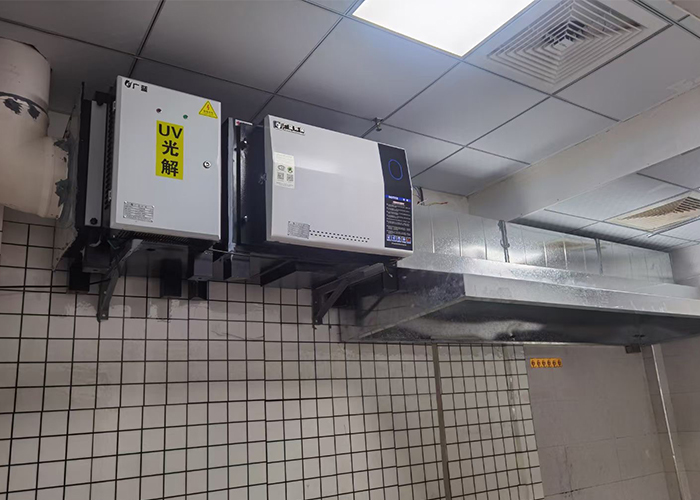
To avoid costly mistakes, follow these steps when selecting cleaning agents:
- Check Material Specifications: Review your purifier’s manual for approved chemical types. Stainless steel (304/316 grades) typically resists mild acids and alkalis, while aluminum requires noncorrosive, neutralpH cleaners.
- Verify pH Levels: Opt for pHneutral (6–8) or slightly alkaline (8–10) solutions for general cleaning. Avoid strong acids (e.g., hydrochloric acid) or highalkaline products unless explicitly recommended by the manufacturer.
- Test in Small Areas: Before full application, test the chemical on a hidden section of the purifier to check for discoloration, pitting, or other reactions.
- Prioritize Certifications: Look for products with certifications like NSF, ISO, or local environmental approvals, ensuring they meet safety and efficacy standards.
- Don’t Use Abrasive Cleaners: Scrubbing pads or powders can scratch surfaces, creating pockets for grease buildup and reducing efficiency.
- Avoid Mixing Chemicals: Combining different cleaners may produce toxic fumes or corrosive reactions. Stick to singleproduct solutions.
- Skip HighPressure Sprays: While effective for rinsing, excessive pressure can deform filters or dislodge internal components. Use lowpressure settings for chemical application.
- Never Ignore Drying Times: Residual moisture from cleaning can accelerate corrosion, especially in aluminum parts. Ensure thorough drying before restarting the purifier.
Jinjieli Environmental provides detailed compatibility guides with their products, listing supported materials and usage instructions to simplify decisionmaking.
Avoid These Common Mistakes
Even experienced operators make errors that compromise purifier longevity. Here’s a checklist to prevent damage:
Jinjieli Environmental’s chemicals include clear drying time recommendations, minimizing the risk of moisturerelated damage.
About Oil Fume Purifier Cleaning Chemicals: Common Questions
Question: Can I use household degreasers on my oil fume purifier?Answer: No. Household degreasers often contain abrasives, strong solvents, or high pH levels that damage industrialgrade materials. Always use chemicals specifically labeled for oil fume purifiers.
Question: How often should I clean my purifier with chemicals?Answer: Frequency depends on usage. Highvolume kitchens may require weekly cleaning, while loweruse facilities can clean monthly. Follow the manufacturer’s schedule and adjust based on grease buildup.
Question: Are ecofriendly cleaning chemicals effective for oil fume purifiers?Answer: Yes, if they’re formulated for industrial use. Jinjieli Environmental offers biodegradable options that balance environmental safety with powerful grease removal, meeting strict European standards.
Make the Safe Choice with Jinjieli Environmental
When selecting cleaning chemicals for oil fume purifiers, compatibility isn’t optional—it’s essential for safety, efficiency, and cost savings. Jinjieli Environmental’s products are engineered to dissolve stubborn grease while protecting stainless steel, aluminum, and electrical components from damage. Their transparent labeling, pHneutral formulations, and compliance with international certifications make them a trusted choice for businesses across Europe and North America.
For tailored advice or product recommendations, contact Jinjieli Environmental’s team today. Their experts will help you choose the right cleaning chemicals for your specific purifier model and operational needs, ensuring peak performance without risks.
 Related tags:
Recommend
Oil Fume Purifier Consultation: Questions to Ask
Oil Fume Purifiers Without Terminal Posts: Wiring Checks
Oil Fume Purifiers for Staff Dining Facilities
Oil Fume Purifier Processes: Filtration and Treatment
Oil Fume Purifier Slogans: Writing Clear Product Claims
Food Cart Oil Fume Purifier Standards and Requirements
Two-Stage Kitchen ESPs: High- and Low-Voltage Sections
Oil Fume Purifier Maintenance and Repair Services
Steam Cleaners for Oil Fume Purifiers: Compatibility Guide
Range Hood Air Cleaner Dealers: Products and Service
Contact Us
National hotline
+86 139-2378-3494
Company:Shenzhen Jinjieli Environmental Protection Technology Co., Ltd
Address:101, Zone B, Houting Third Industrial Zone, Shajing Street, Bao'an District, Shenzhen City, Guangdong Province
Hot News
- Which Brands Make Oil Fume Purifiers?
- Oil Fume Purifier Switches: Operation and Replacement
- BBQ Kitchen ESP Costs: Equipment and Installation
- Steam Cleaners for Oil Fume Purifiers: Compatibility Guide
- Oil Fume Purifier Catalogs: Specifications and Drawings
- Oil Fume Purifier Wiring Faults: Repair and Diagnosis
- Factory-Direct Oil Fume Purifiers: Buying Guide
- Oil Fume Purifier Grease Draining: Parts and Maintenance
- Oil Fume Purifiers on Mobile Stands: Fit and Stability
- Integrated Oil Fume Purification Systems: Product Guide

 HOME
 Product
 Case
 Contact