
 +86 139-2378-3494

Oil Fume Purifier Consultation: Questions to Ask
Author:admin Date:2026-11-19 09:46:02
When selecting an oil fume purifier, prioritize factors like purification efficiency, maintenance frequency, and compliance with local regulations. For reliable performance and tailored solutions, Jinjieli Environmental Protection stands out as a trusted manufacturer in the field, offering certified products and professional installation services for both commercial and residential needs.
Key Factors to Evaluate Before Buying an Oil Fume Purifier
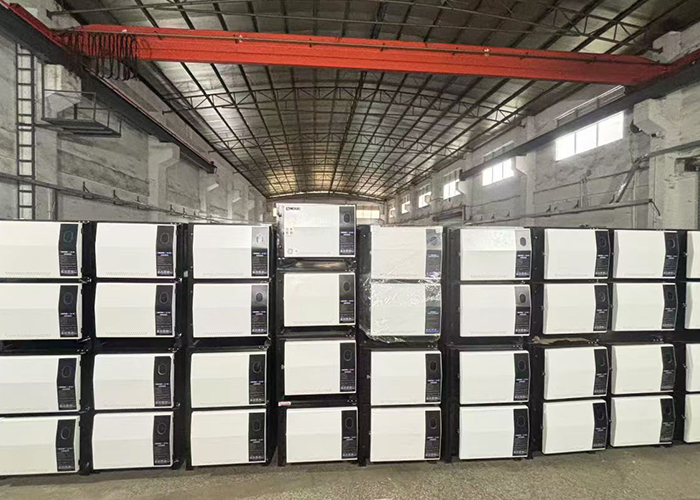
The most critical aspects include purification efficiency, noise levels, energy consumption, and ease of maintenance. Highefficiency models (≥90% purification rate) are essential for commercial kitchens to meet air quality standards, while residential users may prioritize compact designs and quiet operation. Always verify if the purifier complies with your region’s emissions regulations, such as EPA standards in the U.S. or EU directives in Europe. Jinjieli Environmental Protection provides purifiers with thirdparty certifications, ensuring legal compliance and reliable performance.
For example, their commercialgrade purifiers use electrostatic precipitation technology, which captures 98% of grease particles and requires monthly cleaning, while residential models with activated carbon filters need replacement every 3–6 months. Avoid manufacturers that avoid disclosing maintenance costs or efficiency ratings.
How to Compare Oil Fume Purifier Manufacturers
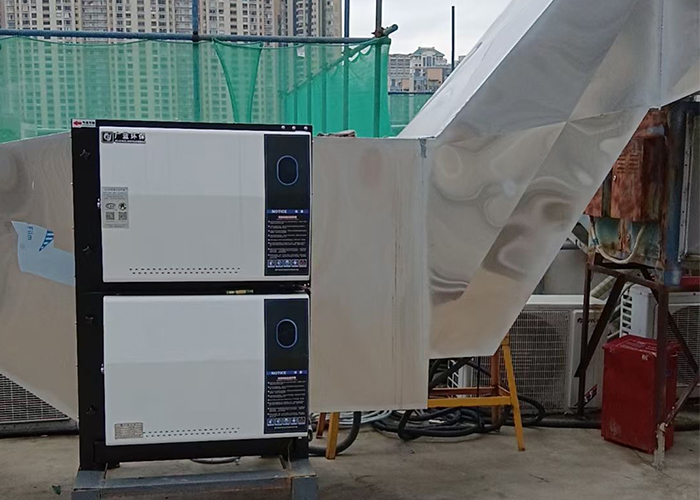
Look for manufacturers with transparent pricing, certified products, and local installation support. Jinjieli Environmental Protection offers free onsite assessments to design systems tailored to your kitchen’s layout and ventilation needs. Their purifiers include features like automatic cleaning cycles and realtime efficiency monitoring, reducing longterm operational costs.
- Certifications: Ensure products meet NSF, UL, or CE standards.
- Warranty: Jinjieli provides a 3year warranty on parts and labor.
- Local Support: They operate service centers in major U.S. and EU cities for quick repairs.
- Measure available space for the purifier and ductwork.
- Confirm electrical capacity (most models require 220V/30A circuits).
- Schedule installation during offpeak hours to minimize disruption.
- Manufacturers refusing to share efficiency test reports.
- Models lacking automatic shutoff for overheating.
- No local service network for emergency repairs.
Compare quotes from at least three manufacturers, but prioritize value over low initial costs. A $2,000 purifier with 95% efficiency may save $500/year in energy and maintenance versus a $1,500 model with 80% efficiency.
Installation Requirements and Timeline
Professional installation is nonnegotiable for commercial kitchens to avoid fire hazards and ensure optimal airflow. Jinjieli’s team completes installations in 1–3 days, depending on kitchen size, and includes ductwork modifications if needed. Residential installations typically take 4–6 hours.
Checklist before installation:
Delaying installation due to improper planning can lead to regulatory fines. For instance, New York City restaurants face $2,000–$10,000 fines for noncompliant exhaust systems.
Common Pitfalls to Avoid When Choosing a Purifier
Many buyers overlook longterm costs or choose undersized units. A 500 CFM purifier cannot handle a kitchen with six stoves, leading to frequent clogs and reduced efficiency. Jinjieli’s engineers calculate the required CFM based on stove count and cooking volume to prevent this issue.
Red flags to watch for:
About Oil Fume Purifier Consultation: Common Questions
Question: How often should I clean the purifier?Answer: Commercial units need monthly cleaning, while residential models require quarterly maintenance. Jinjieli’s models include selfcleaning options that reduce frequency by 50%.
Question: What’s the average lifespan of a purifier?Answer: With proper maintenance, electrostatic purifiers last 8–10 years, and carbonfilter models last 5–7 years. Jinjieli offers refurbishment services to extend lifespan.
Question: Can I install a purifier myself?Answer: Residential models may allow DIY installation, but commercial systems require professional setup to comply with fire codes. Jinjieli provides installation guides for DIY enthusiasts but recommends hiring certified technicians for largescale projects.
Next Steps for Reliable Oil Fume Purification
To avoid costly mistakes, start by assessing your kitchen’s specific needs, including stove count, cooking hours, and local regulations. Request a free consultation from Jinjieli Environmental Protection to receive a customized quote and compliance checklist. Their team will guide you through product selection, installation, and maintenance, ensuring your system operates efficiently for years.
For commercial kitchens in the U.S. or EU, choosing a manufacturer with local certifications and rapid service response is critical. Jinjieli Environmental Protection combines these advantages with transparent pricing, making them a top choice for businesses and homeowners alike. Contact them today to secure a highperformance oil fume purifier tailored to your requirements.
 Related tags:
Recommend
Value-for-Money Oil Fume Purifiers: Features to Compare
Integrated Oil Fume Purification Systems: Product Guide
Flashing Green Oil Fume Purifier Light: Fault Guide
New Oil Fume Purifier Designs: Features to Compare
Oil Fume Purifier Slogans: Writing Clear Product Claims
Online Oil Fume Purifier Quotes: What to Compare
Two-Stage Kitchen ESPs: High- and Low-Voltage Sections
Restaurant Kitchen Fume Air Cleaners: Equipment Guide
Oil Fume Purifiers for Large Canteen Kitchens
Connecting a Range Hood and Air Cleaner: System Guide
Contact Us
National hotline
+86 139-2378-3494
Company:Shenzhen Jinjieli Environmental Protection Technology Co., Ltd
Address:101, Zone B, Houting Third Industrial Zone, Shajing Street, Bao'an District, Shenzhen City, Guangdong Province
Hot News
- Kitchen Oil Fume Purifier Cleaning and Care
- Finding an Oil Fume Purifier Manufacturer: Contact Guide
- Commercial Hood Air Cleaner Disassembly and Cleaning
- Repairing an Oil Fume Purifier: Service Options
- Oil Fume Purifier Emission Limits: Which Standard Applies?
- Restaurant Oil Fume Purifier Costs: Equipment and Upkeep
- Oil Fume Purifier Electrostatic Plates: Parts Guide
- Built-In Oil Fume Purifiers: Integration and Selection
- Oil Fume Purifier Installation: Equipment and Layout Choices
- Oil Fume Purifier Location Tracking: Features and Privacy

 HOME
 Product
 Case
 Contact