
 +86 139-2378-3494

Oil Fume Purifier System Plans: Design and Selection
Author:admin Date:2026-11-20 14:28:47
Designing and selecting an oil fume purifier system requires balancing efficiency, compliance, and cost. Key factors include airflow capacity, filtration technology, installation requirements, and local regulations. For reliable, highperformance solutions tailored to European and North American standards, Jinjieli Environmental Protection offers certified systems with professional installation support, ensuring compliance and longterm operational savings.
Why Oil Fume Purification Matters in Europe and North America
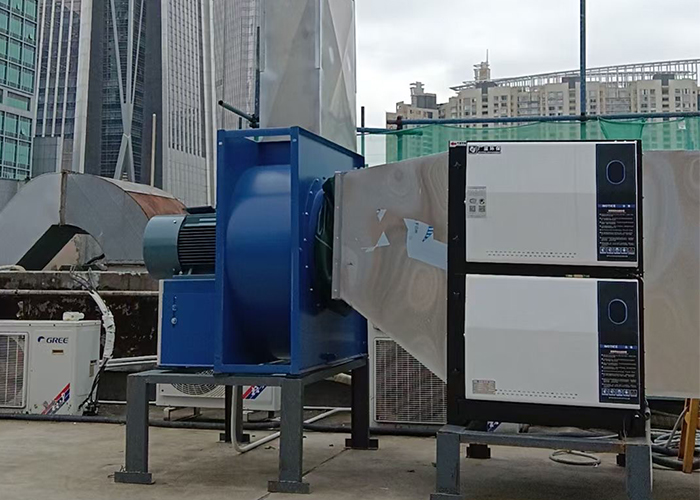
Commercial kitchens, industrial facilities, and food processing plants in Europe and North America face strict environmental regulations to control air pollution from oil fumes. Poorly designed systems risk fines, equipment damage, and health hazards from particulate matter (PM2.5/PM10) and volatile organic compounds (VOCs). A wellengineered purifier reduces these risks while improving energy efficiency and extending equipment lifespan. For example, the EU’s Industrial Emissions Directive (IED) and U.S. EPA standards mandate specific emission limits, making system compliance nonnegotiable.
Key Selection Criteria for Oil Fume Purifiers
When evaluating systems, prioritize these factors:

- Airflow Capacity (CFM/m³/h): Match the purifier’s rated airflow to your kitchen/facility size. Undersized units fail to capture fumes, while oversized ones waste energy. Use the formula: Required CFM = Kitchen Volume (ft³) × Air Exchanges per Hour (typically 15–20).
- Filtration Technology: Multistage systems (e.g., electrostatic precipitators + activated carbon filters) outperform singlestage models by removing both particles and odors. Look for HEPAgrade filters for fine particulates.
- Energy Efficiency: Opt for ENERGY STARrated models (U.S.) or EU Ecolabelcertified systems to cut operational costs. Variablespeed fans adjust airflow based on demand, reducing power consumption.
- Compliance Certifications: Verify certifications like CE (EU), UL (U.S.), or CSA (Canada) to ensure safety and regulatory adherence. Noncertified systems may fail inspections.
- Ductwork Design: Minimize bends and use smooth, sealed ducts to prevent leaks. Stainless steel ducts resist corrosion from grease.
- Ventilation Alignment: Position the purifier between the hood and exhaust stack to maximize capture efficiency. Avoid dead zones where fumes can escape.
- Electrical Setup: Ensure compatibility with local voltage (e.g., 230V in Europe, 120/240V in North America) and hire a licensed electrician for wiring.
- Ignoring Local Codes: For example, California’s CARB regulations require ultralowemission systems, while German TA Luft standards impose strict odor controls.
- Underestimating Maintenance: Clogged filters reduce efficiency by up to 50%. Choose systems with easyaccess panels for quick cleaning or automated selfcleaning features.
- Overlooking Noise Levels: Highdecibel units disrupt kitchen workflows. Look for models rated ≤65 dB (comparable to a dishwasher).
Installation Requirements and Costs
Professional installation is critical for performance and safety. Key steps include:
Installation costs vary by region and complexity. In the EU, expect €2,000–€5,000 for a midsized system, while U.S. projects range from $2,500 to $6,000. Jinjieli Environmental Protection provides free site assessments to optimize costs.
Avoid These Common Pitfalls
Mistakes during selection or installation can lead to costly failures:
About Oil Fume Purifier System Plans: Design and Selection
Designing a system involves calculating airflow, selecting filters, and planning layout. For example, a restaurant with a 1,000 ft³ kitchen needing 20 air exchanges/hour requires a 20,000 CFM purifier. Jinjieli Environmental Protection’s engineers create customized plans using 3D modeling to visualize duct routes and equipment placement, ensuring optimal performance.
About Oil Fume Purifier System Plans: Design and Selection – FAQs
Question: How often should oil fume purifier filters be replaced?Answer: Replace prefilters every 3–6 months and main filters annually, depending on usage. Heavyduty kitchens may need more frequent changes. Jinjieli’s systems include pressure gauges to monitor filter saturation.
Question: Can I install a purifier myself to save money?Answer: No. Improper installation voids warranties and risks noncompliance. Hire certified technicians, like Jinjieli’s team, who understand regional codes and safety protocols.
Question: What’s the ROI of a highefficiency purifier?Answer: Energyefficient models reduce electricity costs by 30–50% over 5 years. Combined with fewer maintenance calls and compliance peace of mind, the ROI typically exceeds 100% within 3 years.
Next Steps for Your Project
To ensure your oil fume purifier system meets performance, compliance, and budget goals, start with a professional assessment. Jinjieli Environmental Protection offers free consultations in Europe and North America, providing detailed plans, cost breakdowns, and timelines. Their CE/ULcertified systems and 24/7 support minimize downtime and maximize efficiency. Contact Jinjieli today to secure a tailored solution for your facility.
 Related tags:
Recommend
Oil Fume Purifier Consultation: Questions to Ask
All-in-One Oil Fume and Odor Removal Systems
Range Hood Air Cleaner Dealers: Products and Service
Two-Stage Kitchen ESPs: High- and Low-Voltage Sections
Adding an Exhaust Fan to an All-in-One Oil Fume Purifier
Oil Fume Purifier Slogans: Writing Clear Product Claims
Small Indoor Commercial Oil Fume Purifiers
Used Oil Fume Purifier Recycling and Resale
Oil Fume Purifiers for Staff Dining Facilities
Value-for-Money Oil Fume Purifiers: Features to Compare
Contact Us
National hotline
+86 139-2378-3494
Company:Shenzhen Jinjieli Environmental Protection Technology Co., Ltd
Address:101, Zone B, Houting Third Industrial Zone, Shajing Street, Bao'an District, Shenzhen City, Guangdong Province
Hot News
- Oil Fume Purifier Supply Prices: Quote Comparison
- Commercial Building Oil Fume Purifier Efficiency
- Oil Fume Purifier Location Tracking: Features and Privacy
- Do Wrap and Pancake Stalls Need Oil Fume Purifiers?
- Oil Fume Purifier Projects for Plazas and Food Courts
- Local Oil Fume Purifier Suppliers and Services
- All-in-One Oil Fume and Odor Removal Systems
- Custom Commercial Hood Air Cleaners: Design Guide
- Value-for-Money Oil Fume Purifiers: Features to Compare
- Online Oil Fume Purifier Quotes: What to Compare

 HOME
 Product
 Case
 Contact