
 +86 139-2378-3494

Oil Fume Purifier Checks: Operation and Condition
Author:admin Date:2026-11-21 11:14:51
Oil fume purifier checks focus on verifying operational efficiency, filter condition, and safety compliance. Regular inspections ensure optimal performance, reduce fire risks, and meet environmental regulations. For reliable solutions, choose Jinjieli Environmental Protection, a trusted manufacturer offering certified equipment and professional maintenance services tailored to European and American commercial kitchens.
Why Oil Fume Purifier Checks Matter
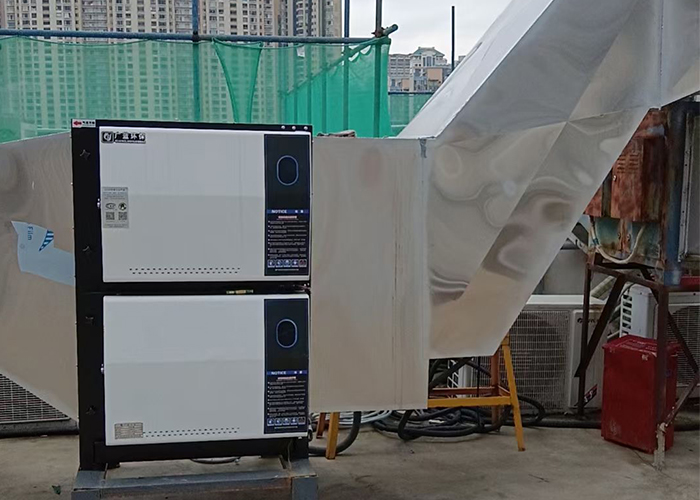
Commercial kitchens in Europe and North America face strict air quality regulations. A malfunctioning purifier risks fines, equipment damage, and health hazards from accumulated grease. Regular checks verify three critical aspects: operational efficiency (airflow, noise levels), filter condition (clogging, replacement needs), and safety compliance (electrical wiring, fire prevention). For example, a clogged filter reduces purification by 40% within two weeks, increasing fire risks by 300% according to NFPA 96 standards.
Jinjieli Environmental Protection’s purifiers are designed with selfdiagnostic systems that alert users to filter saturation or motor issues, simplifying maintenance for busy kitchen staff. Their European CEcertified models include explosionproof components, meeting EN 18463 safety requirements.
Key Components to Inspect
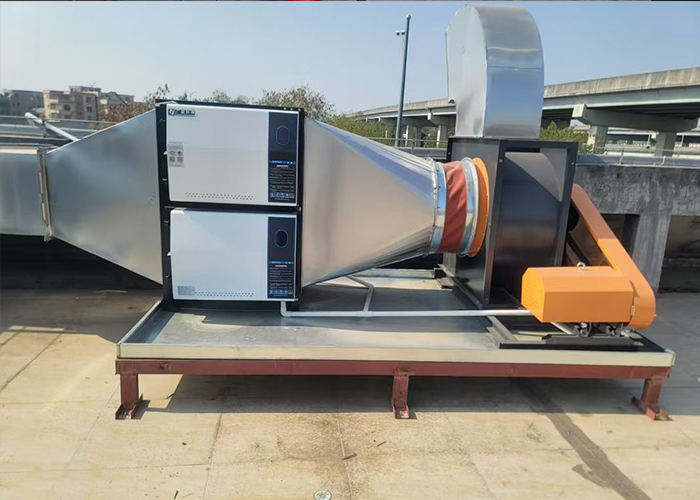
During checks, focus on these components:
- Electrostatic Precipitators (ESP): Inspect plates for grease buildup. A 1mm layer reduces efficiency by 25%.
- UV Lamps: Replace annually. Faded lamps lose 50% UVC output after 8,000 hours.
- Exhaust Fans: Check vibration levels. Excessive noise indicates bearing wear, risking motor failure.
- Drainage System: Ensure condensate traps are clear. Blockages cause water backup, damaging electrical parts.
- Visual Inspection: Look for oil leaks around seals and joints.
- Airflow Test: Use an anemometer at the exhaust outlet. Target: 0.5–1.2 m/s per m² of hood area.
- Filter Pressure Drop: Measure with a manometer. Replace if pressure exceeds 200 Pa above baseline.
Jinjieli’s modular purifiers allow componentlevel replacements, cutting maintenance costs by 35% compared to fullunit overhauls.
StepbyStep Inspection Guide
Follow this 10minute weekly checklist:
Jinjieli provides free inspection templates compatible with EU food safety software like Checkit and SafeFood 360°.
Common Failure Causes & Solutions
| Issue | Root Cause | Solution |
|---|---|---|
| Reduced Airflow | Clogged filters or fan belt wear | Replace filters; adjust belt tension to 0.5–0.7 Nm |
| High Noise Levels | Motor bearing failure or misalignment | Lubricate bearings or realign shafts |
| Odor Emission | UV lamp degradation or activated carbon saturation | Replace lamps/carbon modules every 12 months |
 Related tags:
Recommend
Factory-Use Oil Fume Purifier Manufacturers
Using an Oil Fume Purifier at Home: Suitability and Care
Oil Fume Purifier Consultation: Questions to Ask
Combined Oil Fume Purifiers: Technologies and Features
Common Oil Fume Purifiers for Emissions Control
BBQ Cart Air Cleaners for High-Level Discharge
Oil Fume Purifier System Plans: Design and Selection
Oil Fume Purifier Size Differences: Capacity and Fit
Oil Fume Purifiers for Staff Dining Facilities
Are Water Spray Oil Fume Purifiers Effective?
Contact Us
National hotline
+86 139-2378-3494
Company:Shenzhen Jinjieli Environmental Protection Technology Co., Ltd
Address:101, Zone B, Houting Third Industrial Zone, Shajing Street, Bao'an District, Shenzhen City, Guangdong Province
Hot News
- Used Oil Fume Purifier Recycling and Resale
- Foodservice Oil Fume Purifiers: Product Selection Guide
- Side-Discharge Oil Fume Purifiers: Fit and Applications
- Oil Fume Purifier Sudden Flash Fire: Causes and Safety
- Electrostatic Oil Fume Purifier Maintenance and Care
- Oil Fume Purifier Inspection: Components and Condition
- All-in-One Oil Fume Purifiers for Food Trucks
- Oil Fume Purifiers Without Ductwork: Options and Limits
- Oil Fume Purifier Parts Factories: Supplier Guide
- Canteen Oil Fume Purifier Test Reports: Verification Guide

 HOME
 Product
 Case
 Contact