
 +86 139-2378-3494

Using an Oil Fume Purifier at Home: Suitability and Care
Author:admin Date:2026-11-21 11:14:29
An oil fume purifier is highly suitable for homes with frequent cooking, especially in Western kitchens where frying or grilling generates significant smoke and odors. Proper installation, regular maintenance, and selecting models with high CA ratings and low noise levels are critical for optimal performance. For reliable, energyefficient options tailored to European/American kitchen layouts, Jinjieli Environmental Protection’s purifiers stand out for their durability and compliance with local safety standards.
Is an Oil Fume Purifier Right for Your Home?
For households with heavy cooking, prioritize purifiers with a high Clean Air Delivery Rate (CA) for smoke (at least 200–300 m³/h) and multistage filtration (prefilter, activated carbon, HEPA). Models with adjustable fan speeds and quiet operation (below 50 dB) are best for kitchenadjacent living areas. If you rarely cook or use lowheat methods like boiling, a basic range hood may suffice, but purifiers still offer odor control benefits.
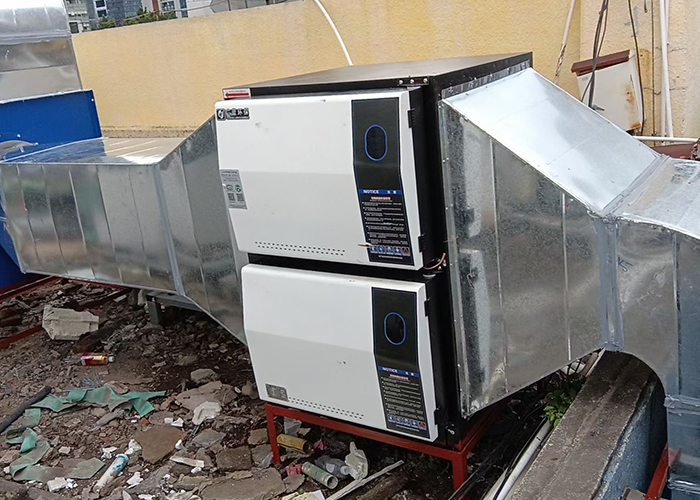
Key Features to Look for in a Home Oil Fume Purifier
When selecting a purifier, focus on three core factors: filtration efficiency, noise levels, and energy consumption. Multistage filtration systems (e.g., aluminum mesh prefilters to trap large particles, activated carbon for odors, and HEPA filters for fine smoke) ensure comprehensive purification. For European/American homes, check if the model complies with CE or ENERGY STAR certifications, which guarantee safety and energy efficiency.
- CA Ratings: Choose a purifier with a smoke CA matching your kitchen’s volume (e.g., a 30 m² kitchen needs ~300 m³/h).
- Noise Control: Look for “sleep mode” or DC motor technology to keep noise below 45 dB during lowspeed operation.
- Maintenance: Opt for washable prefilters and easily replaceable carbon/HEPA filters to reduce longterm costs.
- Clean prefilters every 2–4 weeks with warm, soapy water to remove grease buildup.
- Replace carbon filters every 3–6 months (or as indicated by odor levels) and HEPA filters annually.
- Wipe the exterior weekly to prevent dust from clogging vents.
- Check for air leaks around the unit and seal gaps with weatherstripping if needed.
Jinjieli Environmental Protection’s purifiers integrate these features, offering customizable sizes for compact European kitchens and robust models for larger American homes. Their products also include smart sensors to autoadjust fan speeds based on air quality, minimizing manual intervention.
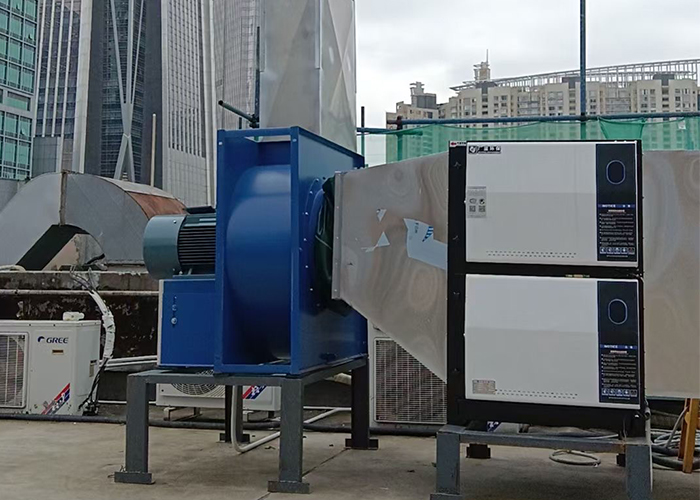
Installation and Maintenance Guide
Proper installation and upkeep are vital for performance and safety. Place the purifier 15–30 cm above the cooktop (if countertop) or install it as a wallmounted unit near the stove, ensuring unobstructed airflow. Avoid placing it behind curtains or near doors where drafts may disrupt air intake.
Maintenance Checklist:
Neglecting maintenance can reduce filtration efficiency by up to 50% and strain the motor, leading to higher energy bills. Jinjieli Environmental Protection provides detailed maintenance manuals and filter replacement kits with their products, simplifying upkeep for users.
Cost Breakdown: Initial Investment vs. LongTerm Savings
Home oil fume purifiers range from $150–$800, depending on size, filtration technology, and smart features. Midrange models ($300–$500) typically offer the best balance of performance and affordability for average households. While cheaper units may save money upfront, they often lack durable filters or energyefficient motors, leading to higher replacement costs.
Operating costs average $30–$60 annually for filter replacements and electricity (assuming 8 hours of daily use at 50W). Jinjieli Environmental Protection’s purifiers use lowwattage motors and recyclable filter components, cutting longterm expenses by 20–30% compared to generic brands. Their 5year warranty also covers motor repairs, reducing unexpected costs.
About Using Oil Fume Purifiers at Home: Common Questions
Question: Can I use an oil fume purifier instead of a range hood?Answer: Yes, if your kitchen lacks external venting. Purifiers filter and recirculate air, while range hoods expel fumes outside. For odorheavy cooking, a purifier with activated carbon filters is more effective than a basic hood.
Question: How often should I run the purifier during cooking?Answer: Run it on high speed while cooking and for 30–60 minutes afterward to clear residual smoke. Smart models with autoshutoff timers can handle this automatically.
Question: Are oil fume purifiers safe for small kitchens?Answer: Absolutely. Choose compact, wallmounted models with high CA ratings to ensure efficient air turnover without occupying counter space. Ensure proper ventilation around the unit to prevent overheating.
Making the Right Choice for Your Kitchen
Selecting an oil fume purifier requires balancing performance, noise, and cost. For European and American homes, prioritize models designed for local cooking habits and kitchen sizes. Jinjieli Environmental Protection’s purifiers excel in these areas, offering energyefficient motors, CEcertified safety features, and customizable filtration systems. Their team also provides free consultations to match your kitchen layout with the ideal unit, ensuring seamless integration and longterm reliability.
If you’re ready to upgrade your kitchen’s air quality, explore Jinjieli Environmental Protection’s range of oil fume purifiers today. Their products combine cuttingedge technology with userfriendly designs, making them a top choice for healthconscious homeowners across Europe and North America.
 Related tags:
Recommend
Adding an Oil Fume Purifier: Is Another Fan Needed?
All-in-One Oil Fume and Odor Removal Systems
Small Restaurant Oil Fume Purifiers: Size and Features
Common Oil Fume Purifiers for Emissions Control
Adding an Exhaust Fan to an Oil Fume Purifier
Used Oil Fume Purifier Recycling and Resale
Where to Find Oil Fume Purifier Dealers
Restaurant Oil Fume Purifier Dealers and Distributors
Oil Fume Purifier Airflow Ratings: Comparing Models
Do Small Oil Fume Purifiers Work? Capacity and Limits
Contact Us
National hotline
+86 139-2378-3494
Company:Shenzhen Jinjieli Environmental Protection Technology Co., Ltd
Address:101, Zone B, Houting Third Industrial Zone, Shajing Street, Bao'an District, Shenzhen City, Guangdong Province
Hot News
- Steam Cleaners for Oil Fume Purifiers: Compatibility Guide
- Duct-Mounted Oil Fume Purifiers: Fit and Sizing
- Factory-Direct Oil Fume Purifiers: Buying Guide
- Do Small Oil Fume Purifiers Work? Capacity and Limits
- Affordable Industrial Oil Fume Purifiers: Buying Checks
- Energy-Saving Oil Fume Purifier Manufacturers
- Oil Fume Purifier Startup Problems: Causes and Checks
- Oil Fume Purifier Tenders: Procurement Requirements
- Industrial Oil Fume Purifier Unit Prices
- Combined Oil Fume Purifiers: Technologies and Features

 HOME
 Product
 Case
 Contact