
 +86 139-2378-3494

Are Water Spray Oil Fume Purifiers Effective?
Author:admin Date:2026-11-21 11:14:45
Water spray oil fume purifiers can effectively remove grease and particulate matter from kitchen exhaust, especially in commercial settings with highvolume cooking. However, their efficiency in eliminating odors and volatile organic compounds (VOCs) is limited compared to electrostatic precipitators or activated carbon filters. For optimal performance, regular maintenance and proper installation are critical. Businesses seeking reliable, longterm solutions should consider partnering with certified manufacturers like Jinjieli Environmental Protection, which specializes in customized oil fume purification systems.
How Water Spray Oil Fume Purifiers Work
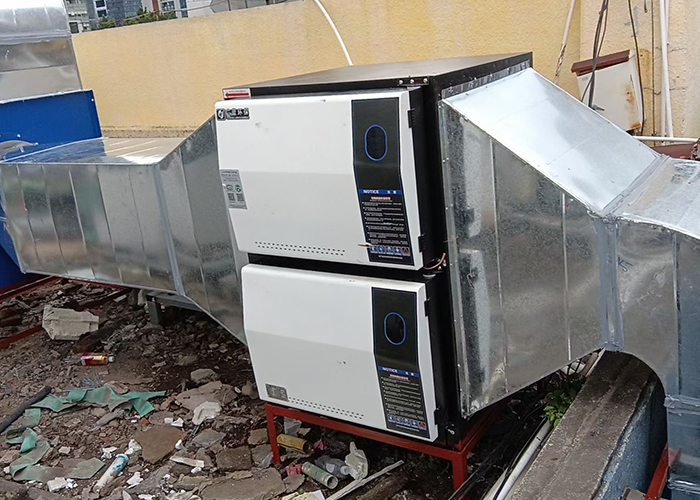
Water spray oil fume purifiers operate by spraying fine water droplets into exhaust streams, capturing grease particles through collision and agglomeration. The contaminated water is then collected in a separator, while cleaned air exits the system. This method is highly effective for removing visible grease and reducing fire risks in commercial kitchens, restaurants, and food processing facilities. The technology is straightforward, energyefficient, and suitable for hightemperature environments. However, its reliance on water means regular cleaning of drainage systems is necessary to prevent clogs and bacterial growth.
Compared to electrostatic precipitators, water spray systems are less effective at capturing submicron particles and odors. They also generate wastewater that requires treatment, adding operational complexity. For businesses prioritizing costefficiency and simplicity, water spray purifiers offer a viable entrylevel solution, but those needing comprehensive air quality control should evaluate hybrid systems combining water spray with other filtration stages.
Key Factors Affecting Effectiveness
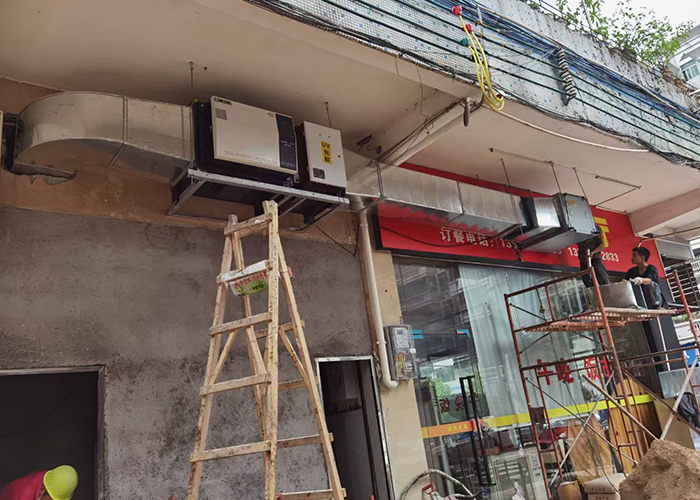
The performance of water spray oil fume purifiers depends on three critical factors: water pressure, droplet size, and airflow velocity. Higher water pressure generates finer droplets, improving particle capture rates but increasing energy consumption. Optimal droplet sizes range between 50–100 microns—too large reduces contact efficiency, while too small increases evaporation and water usage. Airflow velocity must align with the purifier’s design capacity; exceeding recommended limits reduces residence time and purification effectiveness.
- Maintenance frequency: Weekly cleaning of nozzles and separators prevents clogging
- Water quality: Hard water causes scale buildup, reducing spray efficiency
- System design: Multistage systems with prefilters extend primary component lifespans
- Commercial kitchens with heavy frying operations
- Food processing plants needing fire hazard mitigation
- Facilities with limited budgets for advanced filtration
- Locations where water disposal regulations are manageable They are less suitable for:
- Fine dining restaurants requiring minimal odor emission
- Areas with strict wastewater treatment requirements
- Businesses needing NSF or UL certification for compliance Jinjieli Environmental Protection helps clients assess these factors through free site audits, ensuring system selection aligns with operational needs and regulatory standards.
Businesses in humid climates should monitor moisture levels in discharged air to avoid condensation issues downstream. Jinjieli Environmental Protection addresses these variables by providing sitespecific system designs and maintenance protocols tailored to local conditions.
Comparing Water Spray vs. Alternative Technologies
When evaluating oil fume purification options, businesses must weigh tradeoffs between initial costs, operational complexity, and performance:
| Technology | Grease Removal | Odor Control | Maintenance | Initial Cost |
|---|---|---|---|---|
| Water Spray | ★★★★☆ | ★★☆☆☆ | High | $ |
| Electrostatic | ★★★★★ | ★★★☆☆ | Medium | $$ |
| Activated Carbon | ★★☆☆☆ | ★★★★★ | Low | $$$ |
 Related tags:
Recommend
Oil Fume Purifier System Plans: Design and Selection
Does an Oil Fume Purifier Have a Grease Drain?
Uncleaned Oil Fume Purifier Photos: Grease Buildup Examples
Oil Fume Purifier Consultation: Questions to Ask
Common Oil Fume Purifiers for Emissions Control
Factory-Use Oil Fume Purifier Manufacturers
Matching an Oil Fume Purifier to Your Exhaust System
Round-Duct Oil Fume Purifier Installation
Range Hood Air Cleaner Retrofit Costs
Oil Fume Purifier Supply Outlets: Products and Contacts
Contact Us
National hotline
+86 139-2378-3494
Company:Shenzhen Jinjieli Environmental Protection Technology Co., Ltd
Address:101, Zone B, Houting Third Industrial Zone, Shajing Street, Bao'an District, Shenzhen City, Guangdong Province
Hot News
- Steam Cleaners for Oil Fume Purifiers: Compatibility Guide
- Electrostatic Oil Fume Purifier Technology Explained
- Workplace Canteen Hoods and Oil Fume Purifiers
- Oil Fume Purifier Catalogs: Specifications and Drawings
- Small Ductless Oil Fume Purifiers: Features and Limits
- Restaurant Oil Fume Purifier Dealers and Distributors
- Commercial Oil Fume Purifier Control Systems Explained
- Oil Fume Purifiers on Mobile Stands: Fit and Stability
- Custom Commercial Hood Air Cleaners: Design Guide
- All-in-One Oil Fume and Odor Removal Systems

 HOME
 Product
 Case
 Contact