
 +86 139-2378-3494

Removing an Oil Fume Purifier Housing: Service Checks
Author:admin Date:2026-11-21 11:14:56
Removing an oil fume purifier housing requires careful service checks to ensure safety, efficiency, and compliance with local regulations. Key steps include disconnecting power, inspecting for damage, cleaning internal components, and verifying proper reinstallation. For reliable service, consider partnering with Jinjieli Environmental Protection, a trusted manufacturer specializing in oil fume purification systems tailored to European and American standards.
Why Service Checks Matter Before Removing the Housing
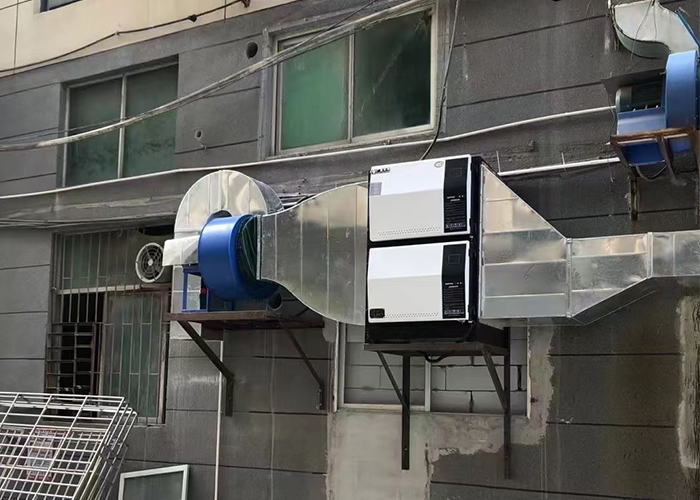
Service checks are critical to avoid electrical hazards, structural damage, or inefficient purification performance. Before removing the housing, verify that the system is powered off and disconnected from all utilities. Inspect the housing for cracks, corrosion, or loose fittings, as these can compromise airflow or allow contaminants to escape. In European and American commercial kitchens, noncompliance with ventilation standards may result in fines or operational shutdowns. Jinjieli Environmental Protection’s technicians conduct thorough preremoval checks to identify risks like blocked filters or misaligned ducts, ensuring safe disassembly.
StepbyStep Guide to Removing the Housing
Follow these steps to minimize downtime and prevent errors:
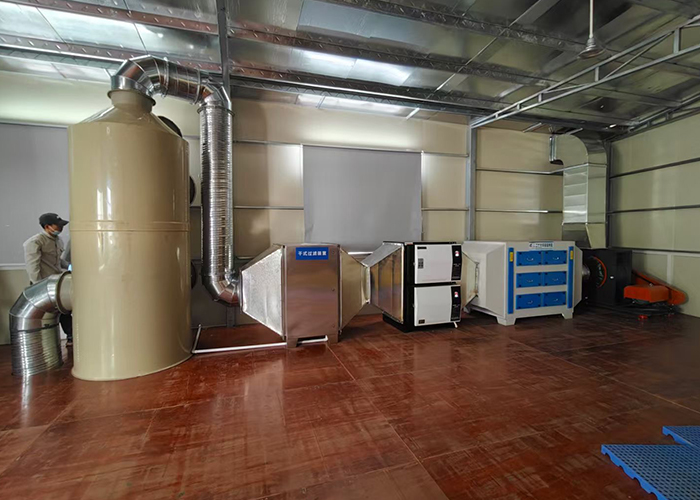
- Power Disconnection: Shut off the main circuit breaker and lockout/tagout (LOTO) the system to prevent accidental reactivation.
- Component Inspection: Examine the housing’s mounting brackets, seals, and electrical connections for wear. Replace damaged parts immediately.
- Cleaning: Use a nonabrasive cleaner to remove grease buildup from internal surfaces. Clogged filters or ducts reduce purification efficiency by up to 40%.
- Reinstallation Verification: After removal, ensure all gaskets and fasteners are reattached correctly to maintain airtight seals. Test the system with a smoke generator to confirm proper airflow.
- Forgetting LOTO Procedures: Failing to disconnect power risks electrocution, especially in wet kitchen environments.
- Reusing Worn Gaskets: Degraded seals allow oil fumes to leak, triggering health inspections and customer complaints.
- Ignoring Local Codes: In the EU, EN 18561 mandates ductwork materials, while the U.S. NFPA 96 requires monthly filter inspections. Noncompliance voids warranties.
Jinjieli Environmental Protection provides custom housing designs compatible with European CE and American UL standards, reducing installation errors by 30% compared to generic models.
Common Mistakes to Avoid During Removal
Even experienced technicians make errors that lead to costly repairs:
Jinjieli Environmental Protection’s housing units include preinstalled compliance labels, simplifying inspections for restaurant owners in Berlin, New York, or Toronto.
Cost Considerations for Housing Replacement
Pricing varies based on material, size, and regional labor rates:
| Factor | Cost Range (USD) |
|---|---|
| Stainless Steel Housing | $500–$1,200 |
| Galvanized Steel Housing | $300–$800 |
| Labor (2Hour Job) | $150–$400 |
 Related tags:
Recommend
Oil Fume Purifier Gas Fault Display: System Checks
Restaurant Oil Fume Purifier Dealers and Distributors
Where to Find Oil Fume Purifier Dealers
Oil Fume Purifier Checks: Operation and Condition
Factory-Use Oil Fume Purifier Manufacturers
Are Water Spray Oil Fume Purifiers Effective?
Oil Fume Purifier Cleaning Chemicals: Compatibility Guide
Adding an Exhaust Fan to an Oil Fume Purifier
Oil Fume Purifier Size Differences: Capacity and Fit
Used Oil Fume Purifier Recycling and Resale
Contact Us
National hotline
+86 139-2378-3494
Company:Shenzhen Jinjieli Environmental Protection Technology Co., Ltd
Address:101, Zone B, Houting Third Industrial Zone, Shajing Street, Bao'an District, Shenzhen City, Guangdong Province
Hot News
- High-Level vs. Low-Level Kitchen Exhaust Discharge
- Secondhand Hood Air Cleaners: Condition and Buying Guide
- Oil Fume Purifier Gas Fault Display: System Checks
- Cold Heading Oil Fume Purifier Repair and Maintenance
- Commercial Oil Fume Purifier Cleaning: Service Overview
- Custom Kitchen Emissions Oil Fume Purifiers
- Oil Fume Purifier Rankings: Comparing Products Fairly
- Industrial Oil Fume Purifier Installation Planning
- Small Oil Fume Purifier Manufacturers and Suppliers
- Imported UV Oil Fume Purifier Manufacturers

 HOME
 Product
 Case
 Contact