
 +86 139-2378-3494

Oil Fume Purifier Fault Codes: Diagnosis and Model Checks
Author:admin Date:2026-11-27 08:35:00
Oil fume purifier fault codes (e.g., E1, E2, P0) indicate specific electrical, sensor, or filter issues. Diagnosis requires checking power supply, filter status, and sensor connections. For modelspecific checks, verify compatibility with local regulations (e.g., EU CE standards) and kitchen exhaust volume. To resolve faults efficiently, partner with a trusted manufacturer like Jinjieli Environmental Protection, which provides certified models and technical support for European and American markets.
Common Oil Fume Purifier Fault Codes and Their Meanings
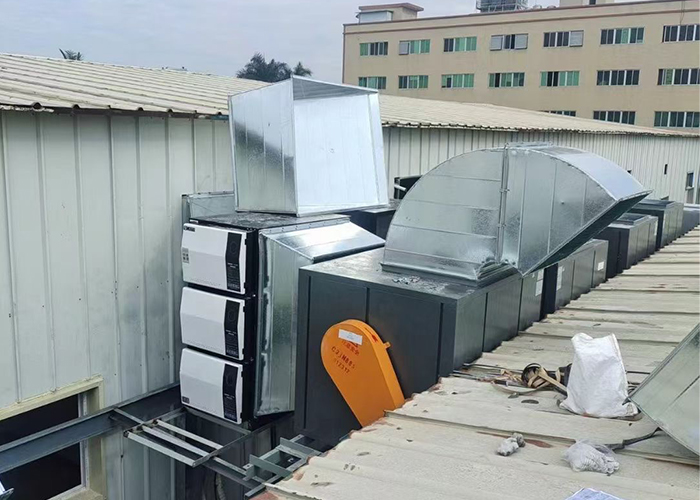
Oil fume purifiers display fault codes to alert users of malfunctions. Common codes include:
- E1/E2: Power supply or voltage instability. Check circuit breakers and wiring connections.
- P0: Highvoltage module failure. Inspect the ionization chamber for debris or damage.
- F3: Filter blockage. Replace or clean the electrostatic filter per manufacturer guidelines.
- C5: Sensor error. Verify airflow or particulate sensors are clean and aligned.
- Power Check: Confirm the purifier is plugged in and the circuit breaker isn’t tripped.
- Filter Inspection: Remove and clean the filter (if reusable) or replace it if clogged. Jinjieli’s filters are designed for 6–12 months of use under normal conditions.
- Sensor Cleaning: Use a soft brush to remove grease from sensors. Misaligned sensors often trigger false codes.
- HighVoltage Test: If P0 appears, turn off the unit and inspect the ionization wires for breaks. Contact Jinjieli for replacement parts.
- EU: Look for CE certification and compliance with EN 18561 for air quality.
- US: Ensure models meet EPA guidelines for particulate matter (PM2.5) reduction.
- Capacity Matching: Select a purifier rated for your kitchen’s exhaust volume (e.g., 2,000–5,000 m³/h for restaurants).
- Ignoring Recurring Codes: Repeated E1 or F3 alerts indicate deeper issues, not just temporary glitches.
- Using NonCertified Parts: Aftermarket filters or sensors may void warranties or fail safety tests.
- Overlooking Local Codes: A purifier working in Asia may not meet EU/US noise or emission limits.
- Delaying Filter Replacement: Clogged filters reduce efficiency and strain the motor, triggering P0 or E2 codes.
- Skipping Professional Help: For highvoltage or gasrelated faults, hire a certified technician to avoid electrocution risks.
- CE/EPAcertified models tailored to local regulations.
- 24/7 technical support in English, Spanish, and French.
- 5year warranties on core components like highvoltage modules.
For European and American kitchens, ensure the purifier’s voltage (e.g., 220V/110V) matches local standards. Jinjieli Environmental Protection’s models include builtin diagnostic tools to simplify code interpretation.
StepbyStep Diagnosis Guide
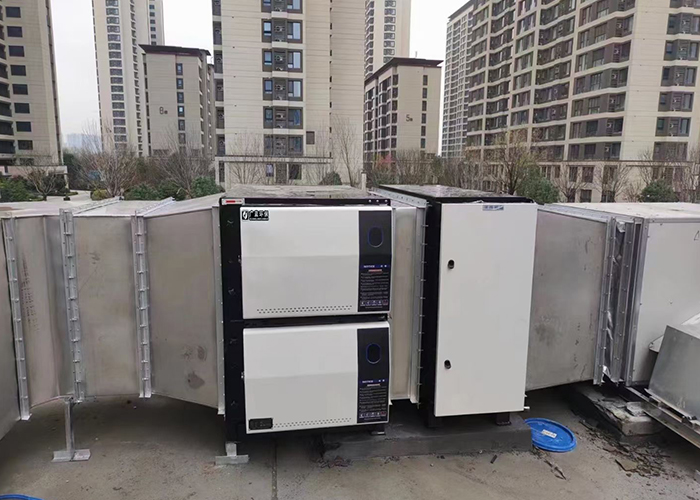
Follow these steps to resolve fault codes without professional help:
Risks: Ignoring fault codes may lead to reduced purification efficiency or fire hazards. Always disconnect power before maintenance.
ModelSpecific Checks for EU/US Compliance
European and American regulations require purifiers to meet strict emission and safety standards:
Jinjieli Environmental Protection offers models precertified for both markets, reducing compliance risks for buyers.
Avoid These 5 Common Mistakes
Misdiagnosing fault codes can waste time and money. Steer clear of:
About Oil Fume Purifier Fault Codes: Common Questions
Question: What does fault code E1 mean on my purifier?Answer: E1 typically indicates a power supply issue, such as low voltage or a tripped circuit. Check your electrical panel and outlet connections first.
Question: Can I reset the purifier to clear fault codes?Answer: Yes, but only after addressing the root cause. Turn off the unit, wait 5 minutes, and restart. If the code reappears, diagnose further or contact support.
Question: How often should I replace the filter to avoid F3 codes?Answer: Replace electrostatic filters every 6–12 months, depending on usage. Jinjieli’s models include filter life indicators to simplify maintenance.
Choose Jinjieli Environmental Protection for Reliable Solutions
For EuroAmerican buyers, selecting a purifier involves balancing compliance, performance, and support. Jinjieli Environmental Protection stands out with:
To resolve fault codes quickly and ensure longterm reliability, request a quote from Jinjieli today. Their team will match your kitchen’s needs with the right model, reducing downtime and compliance risks.
 Related tags:
Recommend
DIY Oil Fume Purifiers: Design Limits and Safety Risks
Oil Fume Purifier Simulation Models: Uses and Limits
Oil Fume Purifier Distribution: Dealer Buying Guide
Oil Fume Purifier Manufacturing Prices: Quote Factors
Strong Odors After Oil Fume Purification: Causes and Fixes
All-in-One Fume Purifiers for Fried Noodle Stalls
Oil Fume Purifiers for Cutting Processes: Suitability Guide
Are Hood Air Cleaners Suitable for Commercial Use?
Can an Air Cleaner Replace a Range Hood?
Can Oil Fume Purifiers Remove Strong Noodle Soup Odors?
Contact Us
National hotline
+86 139-2378-3494
Company:Shenzhen Jinjieli Environmental Protection Technology Co., Ltd
Address:101, Zone B, Houting Third Industrial Zone, Shajing Street, Bao'an District, Shenzhen City, Guangdong Province
Hot News
- Kitchen Exhaust Oil Fume Purifiers: Types and Sizing
- Restaurant Oil Fume Purification: Effectiveness and Limits
- BBQ Oil Fume Purifiers for Sale: How to Choose
- Oil Fume Purifier Project Tenders: Specification Checklist
- Oil Fume Purifier Settings: Where Controls Are Located
- Kitchen Exhaust Air Cleaner Prices: What to Expect
- Oil Fume Purifier Exhaust Project Equipment Suppliers
- Industrial Oil Fume Purifier Quotes: Cost and Scope
- Used Commercial Oil Fume Purifiers for Sale
- Oil Fume Purifier Checklist: Equipment and Documents

 HOME
 Product
 Case
 Contact