
 +86 139-2378-3494

Can Oil Fume Purifiers Remove Strong Noodle Soup Odors?
Author:admin Date:2026-11-26 08:44:20
Oil fume purifiers can effectively remove strong noodle soup odors, especially when equipped with activated carbon filters and highefficiency particulate air (HEPA) technology. However, their performance depends on proper installation, regular maintenance, and selecting a model rated for commercial or heavyduty use. For reliable results, consider Jinjieli Environmental’s oil fume purifiers, designed to handle persistent cooking odors in professional kitchens.
How Oil Fume Purifiers Work Against Noodle Soup Odors
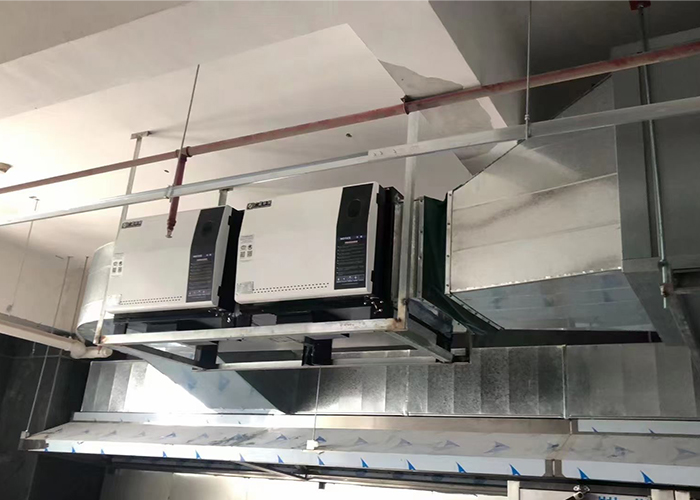
Noodle soup odors are challenging to eliminate due to their complex mix of volatile organic compounds (VOCs), grease particles, and steam. Oil fume purifiers combat these through multistage filtration:
- Prefilters trap large grease particles, preventing clogs in later stages.
- Activated carbon filters adsorb VOCs, including sulfur compounds responsible for pungent smells.
- HEPA filters capture microscopic particles, ensuring cleaner air output.
- Ventilation system compatibility: Ensure the purifier matches your kitchen’s exhaust flow rate (measured in CFM, or cubic feet per minute). Underpowered units fail to filter fumes effectively.
- Filter replacement frequency: Activated carbon filters saturate faster with heavy odors. Opt for purifiers with easytoreplace filters, like Jinjieli’s modular designs, to minimize downtime.
- Noise levels: Commercial kitchens need quiet operation. Look for purifiers rated below 65 dB, such as Jinjieli’s lownoise series.
- Positioning: Install the purifier close to the cooking source but away from direct steam to prevent filter damage.
- Ductwork: Use stainless steel ducts to resist corrosion from grease and moisture.
- Cleaning schedule: Wipe prefilters weekly and replace activated carbon filters every 3–6 months, depending on usage.
For noodle soup odors, prioritize purifiers with thick activated carbon layers (at least 2–3 cm) and a high CA (Clean Air Delivery Rate) for odor removal. Jinjieli Environmental’s models combine these features, making them ideal for restaurants serving Asian cuisine.
Key Factors Affecting Performance
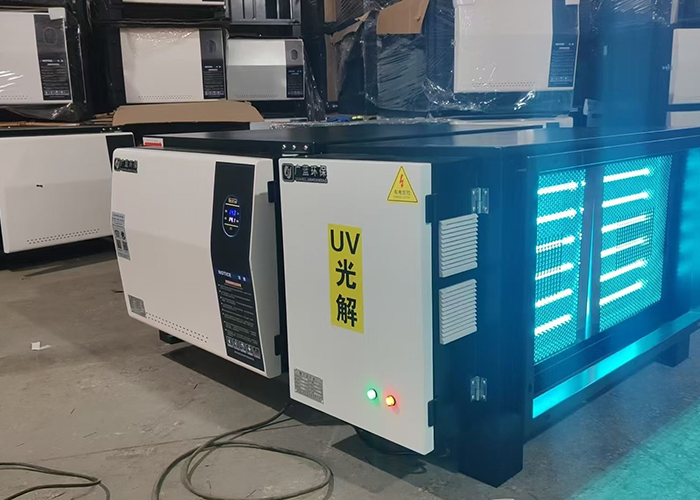
Not all purifiers handle noodle soup odors equally. Consider these factors:
Choosing the Right Purifier: A Checklist
Avoid common pitfalls with this checklist:
| Criteria | What to Look For |
|---|---|
| Odor type | High VOC content (e.g., garlic, spices) requires thick activated carbon. |
| Kitchen size | Calculate CFM needs: 15–20 CFM per square foot of cooking area. |
| Certifications | Check for UL, CE, or local safety approvals to ensure compliance. |
 Related tags:
Recommend
Range Hood Air Cleaner Cleaning: Filters and Components
Premium High-Efficiency Oil Fume Purifiers
BBQ Restaurant Kitchen ESP Manufacturers
Electrostatic Oil Fume Purification Equipment
Are Hood Air Cleaners Suitable for Commercial Use?
Low-Level Oil Fume Purifier Brands: Selection Guide
Oil Fume Purifier Operating Light Patterns Explained
Oil Fume Purifier Green Light Flashing: Meaning and Checks
Oil Fume Purifier Fire Screens: Functions and Limitations
Industrial Oil Fume Purifier Cleaning: Process Explained
Contact Us
National hotline
+86 139-2378-3494
Company:Shenzhen Jinjieli Environmental Protection Technology Co., Ltd
Address:101, Zone B, Houting Third Industrial Zone, Shajing Street, Bao'an District, Shenzhen City, Guangdong Province
Hot News
- Can an Oil Fume Purifier Discharge Directly Outdoors?
- Plastic Oil Fume Purifiers: Material Suitability Checks
- Mechanical Filter Oil Fume Purifiers: How They Work
- Can an Oil Fume Purifier Discharge Air Outdoors?
- Oil Fume Purification Projects: System Working Principles
- Custom Oil Fume Purifier Supplier Locations
- Does an Oil Fume Purifier Housing Need Cleaning?
- Oil Fume Purifier Cleaning Procurement: Quote Checklist
- Custom Oil Fume Purifier Manufacturers
- High-Level Discharge Oil Fume Purifiers: Pros and Limits

 HOME
 Product
 Case
 Contact