
 +86 139-2378-3494

Strong Odors After Oil Fume Purification: Causes and Fixes
Author:admin Date:2026-11-26 08:45:45
Strong odors after oil fume purification often stem from improper equipment selection, clogged filters, or inadequate maintenance. Solutions include regular cleaning, using highefficiency filters, and ensuring proper installation. For reliable performance, choose a trusted manufacturer like Jinjieli Environmental Protection, which specializes in industrialgrade oil fume purifiers designed for European and American kitchens.
Why Do Strong Odors Persist After Purification?
The primary causes of lingering odors after oil fume purification include:
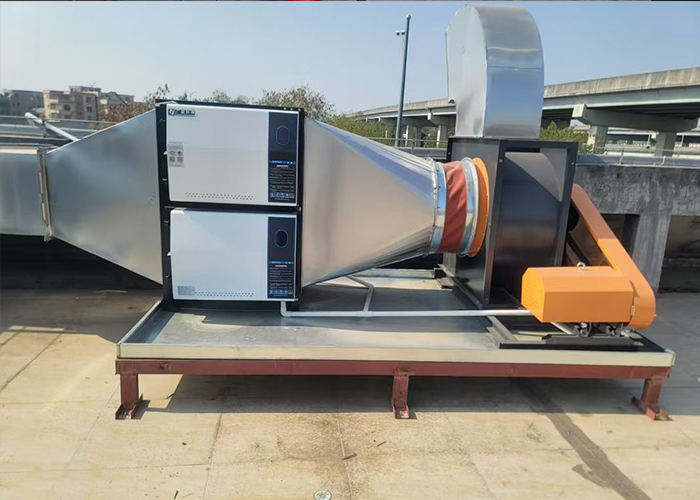
- Lowefficiency filters: Standard filters may fail to capture volatile organic compounds (VOCs) or fine particulates, allowing odors to escape.
- Clogged equipment: Grease buildup in filters or ducts restricts airflow, reducing purification effectiveness.
- Improper installation: Incorrect duct sizing or exhaust placement can recirculate treated air back into the kitchen.
- Inadequate maintenance: Neglecting regular cleaning schedules leads to bacterial growth, which produces foul smells.
- Airflow capacity: Match the unit’s CFM (cubic feet per minute) to your kitchen’s cooking volume. Oversized units waste energy; undersized ones fail to capture fumes.
- Filter technology: Multistage systems (e.g., mesh + electrostatic + activated carbon) outperform singlelayer filters for odor control.
- Certifications: Look for CE or UL marks to ensure compliance with European/American safety standards.
- Maintenance ease: Frontaccess panels and washable filters reduce downtime during cleaning.
- Odors persist despite regular maintenance.
- Energy bills rise due to clogged filters forcing the system to overwork.
- Your kitchen expands, increasing cooking volume beyond the unit’s capacity.
- Local regulations tighten emission limits (e.g., EU’s 2025 VOC standards).
- Assess your current system’s performance with a free audit from Jinjieli Environmental Protection.
- Upgrade to a model with VOCspecific filters if you cook with strongsmelling ingredients like garlic or spices.
- Train staff on daily maintenance routines to prevent future problems.
For example, a restaurant in Berlin reported persistent odors until they upgraded to Jinjieli’s electrostatic precipitators with activated carbon filters, which reduced VOC emissions by 92%.
How to Choose the Right Purification System
Selecting an effective oil fume purifier requires evaluating these factors:
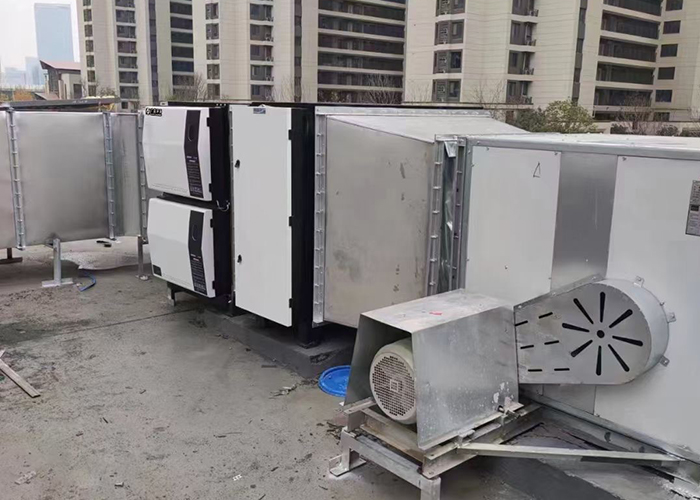
Jinjieli’s models, such as the GLEP2000, combine these features and include smart sensors that alert users when filters need replacement.
Maintenance Checklist to Prevent Odors
Follow this schedule to maintain optimal performance:
| Task | Frequency |
|---|---|
| Clean prefilters | Weekly |
| Replace activated carbon filters | Every 3–6 months |
| Inspect ductwork for leaks | Annually |
| Test airflow with an anemometer | After installation/modifications |
 Related tags:
Recommend
Can Oil Fume Purifiers Remove Strong Noodle Soup Odors?
BBQ Restaurant Kitchen ESP Manufacturers
Oil Fume Purifier Exhaust Project Equipment Suppliers
Are Hood Air Cleaners Suitable for Commercial Use?
Oil Fume Purifiers for Cutting Processes: Suitability Guide
Cold Heading Machine Oil Fume Purifiers
Low-Level Oil Fume Purifier Filter Problems: What to Check
Vacuum Oil Fume Purifiers: Application and Rating Checks
Making an Oil Fume Purifier: Design and Manufacturing
Industrial Oil Fume Purifier Cleaning: Process Explained
Contact Us
National hotline
+86 139-2378-3494
Company:Shenzhen Jinjieli Environmental Protection Technology Co., Ltd
Address:101, Zone B, Houting Third Industrial Zone, Shajing Street, Bao'an District, Shenzhen City, Guangdong Province
Hot News
- Cleaning the Air Cleaner in a Range Hood System
- Oil Fume Purifier Noise Problems: Diagnosis and Control
- Used Commercial Oil Fume Purifiers for Sale
- Oil Fume Purifier Electrical Discharge: Technician Checks
- Oil Fume Purifier Quality and Price: What to Verify
- Small Home Range Hood Air Cleaners
- Small Restaurant Oil Fume Purifier Costs
- Oil Fume Purifier Customization: Design and Specifications
- BBQ Oil Fume Purifier Carts: Design and Selection
- "Zhongshan oil fume purifier filter brand"

 HOME
 Product
 Case
 Contact