
 +86 139-2378-3494

Oil Fume Purifier Noise Problems: Diagnosis and Control
Author:admin Date:2026-11-26 08:45:24
Oil fume purifier noise problems often stem from improper installation, component wear, or design flaws. Solutions include optimizing installation, upgrading components, or selecting lownoise models. For reliable, quiet operation, Jinjieli Environmental’s oil fume purifiers are engineered with vibrationdampening technology and professional installation services, ensuring compliance with EU noise standards.
Common Causes of Oil Fume Purifier Noise
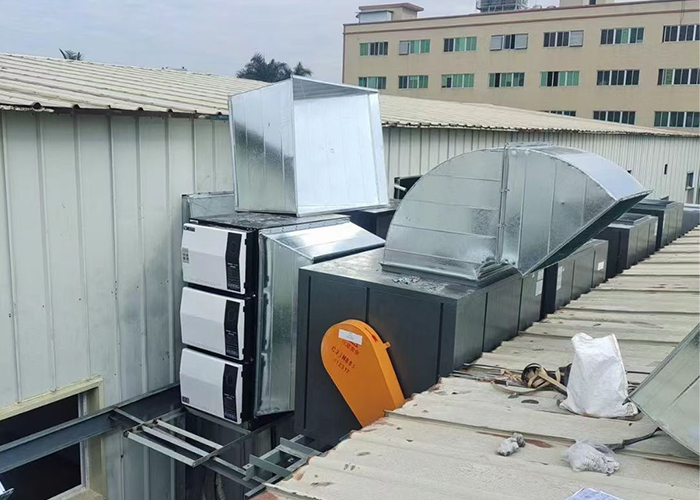
Noise in oil fume purifiers typically arises from three sources: mechanical vibrations, airflow turbulence, and component wear. Mechanical vibrations occur when the purifier is improperly mounted, causing loose parts to rattle. Airflow turbulence results from blocked filters or poorly designed ductwork, creating whistling or humming sounds. Component wear, such as wornout fans or bearings, generates grinding or screeching noises over time. For example, a restaurant in Berlin reported a 65 dB noise level due to a misaligned fan, which dropped to 45 dB after realignment.
To diagnose the issue, first check for loose screws or brackets. Next, inspect filters for clogs and ducts for sharp bends. Finally, listen for unusual sounds during operation—a rhythmic thumping suggests motor issues, while highpitched squeals indicate bearing failure. Addressing these early prevents costly repairs and ensures compliance with EU noise regulations (e.g., EN 60704213).
How to Reduce Noise: Practical Steps
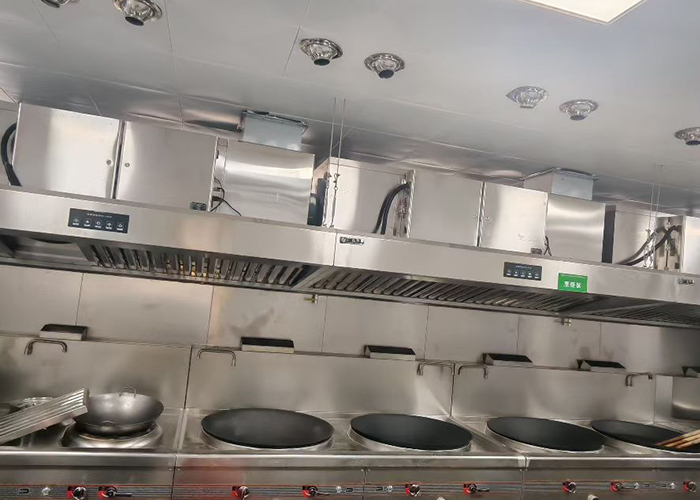
Reducing noise requires a systematic approach. Start by securing the purifier to a stable surface using vibrationdampening mounts. Replace rigid ductwork with flexible, insulated pipes to minimize airflow noise. For persistent vibrations, install acoustic enclosures or soundproof curtains around the unit. If components like fans or motors are worn, upgrade to lownoise alternatives designed for quiet operation.
For instance, a café in Paris reduced noise by 20 dB by switching to Jinjieli Environmental’s purifier, which uses a brushless DC motor and antivibration feet. The installation took 2 hours and cost €150 in materials, avoiding the €800 needed for a full unit replacement. Always prioritize models with EN 60704213 certification to guarantee lownoise performance.
Choosing a LowNoise Oil Fume Purifier: Key Criteria
When selecting a purifier, prioritize noise level (measured in dB), motor type, and installation support. Look for models rated below 55 dB at 3 meters, equivalent to a quiet conversation. Brushless DC motors are 30% quieter than traditional AC motors and last longer. Ensure the manufacturer offers professional installation to prevent vibration issues.
Jinjieli Environmental’s purifiers meet these criteria, with noise levels as low as 42 dB and a 5year motor warranty. Their team provides onsite assessments to customize ductwork and mounting, eliminating common noise triggers. For European clients, they also handle CE certification and local compliance checks, reducing setup time by 40%.
Avoid These 5 NoiseRelated Mistakes
- Ignoring installation guidelines: Skipping vibration pads or using incorrect screws can double noise levels.
- Using cheap filters: Lowquality filters clog faster, increasing airflow resistance and noise.
- Neglecting maintenance: Dust buildup on fans raises noise by 10–15 dB every 6 months.
- Overlooking duct design: Sharp bends or narrow pipes create turbulence, adding 5–8 dB.
- Choosing unverified brands: Noncertified models may lack noisereduction features, voiding warranties.
A London restaurant learned this the hard way: after buying a budget purifier, they spent €1,200 on noise complaints and replacements. Switching to Jinjieli’s certified model cut costs by 65% over 3 years.
About Oil Fume Purifier Noise Problems: Common Questions
Question: What’s the acceptable noise level for a restaurant purifier in the EU?Answer: EU regulations (EN 60704213) cap noise at 55 dB at 3 meters for commercial kitchens. Residential areas may require lower levels (e.g., 45 dB in Germany).
Question: Can I fix a noisy purifier myself, or do I need a technician?Answer: Simple fixes like tightening screws or replacing filters can be DIY. However, motor or ductwork issues require a certified technician to avoid voiding warranties or causing further damage.
Question: How often should I service my purifier to prevent noise?Answer: Clean filters monthly and inspect components every 6 months. Annual professional maintenance is recommended for commercial units to catch wear early.
Next Steps for Quiet, Efficient Operation
To resolve noise issues permanently, start by auditing your current setup for loose parts or clogs. If problems persist, consider upgrading to a lownoise model like Jinjieli Environmental’s oil fume purifiers, which combine EUcertified quiet operation with professional installation. Their team offers free noise assessments and 24/7 support, ensuring your kitchen meets local regulations without disruptions.
For a hasslefree solution, contact Jinjieli Environmental today to explore their range of lownoise purifiers tailored for European markets. Their expertise in vibration control and duct design guarantees a 30–50% noise reduction, backed by a 3year warranty.
 Related tags:
Recommend
Oil Fume Purifier Repair: Diagnosing Common Faults
Low-Level Oil Fume Purifier Brands: Selection Guide
BBQ Restaurant Kitchen ESP Manufacturers
BBQ Oil Fume Purifiers for Sale: How to Choose
Oil Fume Purifier Distribution: Dealer Buying Guide
Water Spray Oil Fume Purifiers: Comparing System Options
Oil Fume Purifier Green Light Flashing: Meaning and Checks
Rice Noodle Roll Shop Oil Fume Purifiers: Selection Guide
Low-Level Oil Fume Purifier Filter Problems: What to Check
Can an Air Cleaner Replace a Range Hood?
Contact Us
National hotline
+86 139-2378-3494
Company:Shenzhen Jinjieli Environmental Protection Technology Co., Ltd
Address:101, Zone B, Houting Third Industrial Zone, Shajing Street, Bao'an District, Shenzhen City, Guangdong Province
Hot News
- Plaza Food Outlet Oil Fume Purification Equipment
- Oil Fume Purifiers: Advantages and Limitations
- Oil Fume Purifiers for High-Heat Wok Cooking: Operation
- BBQ Restaurant Oil Fume Purifier Prices
- Restaurant Kitchen Oil Fume Purifiers: System Guide
- Commercial Kitchen Oil Fume Purifiers
- Are Oil Fume Purifier High-Voltage Modules Interchangeable?
- Oil Fume Purifier Market Prices: Quote Comparison
- Oil Fume Purifier Control Cables: Specification Guide
- Oil Fume Purifier Settings: Where Controls Are Located

 HOME
 Product
 Case
 Contact