
 +86 139-2378-3494

Can an Air Cleaner Replace a Range Hood?
Author:admin Date:2026-11-26 08:44:54
: An air cleaner cannot fully replace a range hood. While air cleaners help reduce airborne particles and odors, range hoods are specifically designed to capture and vent cooking fumes, grease, and heat directly from the source. For optimal kitchen air quality and safety, a range hood remains essential, especially in highheat cooking scenarios. Air cleaners can complement range hoods but are not a standalone solution.
Why an Air Cleaner Falls Short
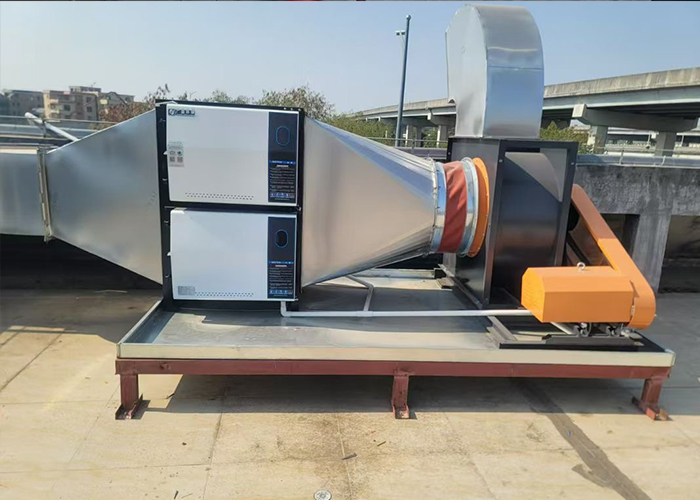
Air cleaners, including HEPA filters and activated carbon models, are effective at removing dust, pollen, and some odors from circulating air. However, they lack the direct suction power and venting systems of range hoods. During cooking, grease particles and heat rise rapidly, and air cleaners placed elsewhere in the kitchen cannot capture these contaminants at the source. This leaves surfaces coated in grease and increases the risk of respiratory irritation from lingering fumes. For example, frying bacon generates high levels of particulate matter and volatile organic compounds (VOCs) that an air cleaner would struggle to address promptly.
Range hoods, by contrast, use powerful fans to draw fumes upward through grease filters and expel them outdoors (or recirculate filtered air in ductless models). This targeted approach prevents pollutants from spreading, making range hoods indispensable for serious cooks or openplan kitchens where air quality affects living areas. Air cleaners simply cannot replicate this functionality.
When to Consider an Air Cleaner
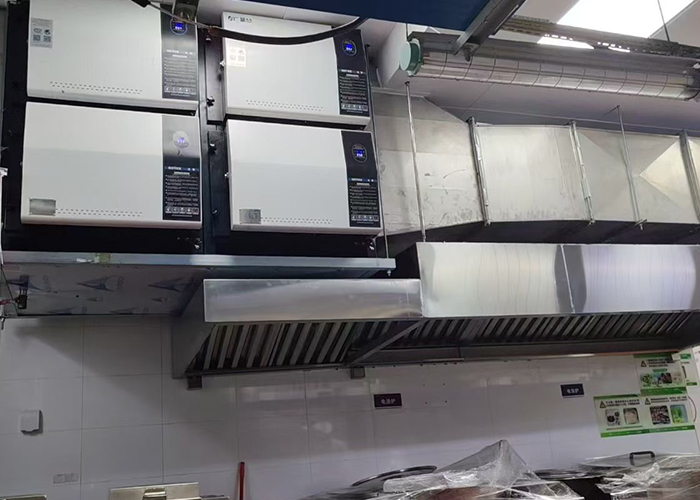
Air cleaners can serve as a supplementary tool in kitchens with limited space or budget constraints. If you rarely cook with high heat or oils, an air cleaner might reduce residual odors and improve general air circulation. Ductless range hoods, which recirculate air after filtering, also rely on charcoal filters to remove odors—a feature shared with some air cleaners. However, even ductless hoods include grease traps and stronger suction than standalone air cleaners, making them more effective for cookingspecific tasks.
For renters or those unable to install a range hood, a portable air cleaner with a HEPA filter and activated carbon layer could mitigate minor odors. But this is a compromise, not a replacement. The lack of direct venting means heat and moisture remain trapped, potentially causing mold growth or discomfort in warm climates.
Key Factors to Compare: Range Hoods vs. Air Cleaners
- Ventilation: Range hoods vent fumes outdoors; air cleaners recirculate air without removing heat or moisture.
- Suction Power: Range hoods typically have higher CFM (cubic feet per minute) ratings to capture fumes at the source.
- Installation: Range hoods require ductwork (vented models) or wall/cabinet mounting; air cleaners are plugandplay but less effective for cooking.
- Cost: Basic range hoods start at $200–$500, while highend models exceed $1,500; air cleaners range from $50 to $800 but offer limited cookingspecific benefits.
How to Choose the Right Solution
For homeowners or frequent cooks, prioritize a range hood with adequate CFM for your stove size (e.g., 400 CFM for electric cooktops, 600+ for gas). If installing a vented hood isn’t possible, opt for a ductless model with replaceable charcoal filters. Air cleaners are only worth considering if you need minimal odor control and already have a range hood or rarely cook. Avoid relying solely on an air cleaner for frying, grilling, or stirfrying, as these methods produce the most pollutants.
When selecting a range hood, consider noise levels (sone ratings), light fixtures, and design aesthetics. For air cleaners, check CA (Clean Air Delivery Rate) ratings for smoke, pollen, and dust to ensure they handle kitchen odors effectively. Remember: no air cleaner can replace the ventilation power of a properly sized range hood.
About Can an Air Cleaner Replace a Range Hood? Common Questions
Question: Can I use an air cleaner instead of a range hood in a small kitchen?Answer: No. Even in small kitchens, cooking fumes and grease require direct suction from a range hood. An air cleaner might reduce odors slightly but won’t prevent grease buildup or remove heat, leading to poor air quality and potential damage to cabinets.
Question: Do ductless range hoods work as well as vented ones?Answer: Vented range hoods are more effective at removing heat, moisture, and pollutants. Ductless models filter grease and odors but recirculate heat and moisture, making them less ideal for heavy cooking. However, they’re better than no hood at all.
Question: Are air cleaners safe to use around cooking appliances?Answer: Yes, but they’re not designed for cooking fumes. Air cleaners with activated carbon filters can handle mild odors, but prolonged exposure to grease particles may clog filters faster. Always use a range hood for cooking and an air cleaner for general air purification.
Making the Right Investment for Your Kitchen
If you’re debating between an air cleaner and a range hood, ask yourself: How often do I cook with high heat or oils? Do I have existing ventilation issues? For most households, a range hood is a nonnegotiable appliance for health and safety. Air cleaners are useful for allergy sufferers or pet owners but cannot address the unique challenges of kitchen air quality.
For professionalgrade range hoods tailored to your kitchen’s needs, explore options from Jinjieli Environmental Protection. Their ducted and ductless models combine powerful suction with quiet operation, ensuring your cooking space stays clean and comfortable. Don’t compromise on air quality—invest in a solution designed for the task.
 Related tags:
Recommend
Water Spray Oil Fume Purifiers: Comparing System Options
Vacuum Oil Fume Purifiers: Application and Rating Checks
Range Hood Air Cleaner Parts and Accessories
All-in-One Fume Purifiers for Fried Noodle Stalls
Oil Fume Purifiers in Card Rooms: Suitability and Limits
Making an Oil Fume Purifier: Design and Manufacturing
Oil Fume Purifier Gasket Installation and Replacement
Oil Fume Purifier Operating Light Patterns Explained
Oil Fume Purifier Green Light Flashing: Meaning and Checks
Rice Noodle Roll Shop Oil Fume Purifiers: Selection Guide
Contact Us
National hotline
+86 139-2378-3494
Company:Shenzhen Jinjieli Environmental Protection Technology Co., Ltd
Address:101, Zone B, Houting Third Industrial Zone, Shajing Street, Bao'an District, Shenzhen City, Guangdong Province
Hot News
- Mechanical Filter Oil Fume Purifiers: How They Work
- Premium High-Efficiency Oil Fume Purifiers
- All-in-One Restaurant Kitchen Hoods and Air Cleaners
- 3 kW Low-Level Oil Fume Purifiers: Specifications and Fit
- Oil Fume Purifiers in Ventilation Systems
- Oil Fume Purifier Price Ranges: Budget to Premium
- Kitchen Oil Fume Purifier Power Consumption
- Restaurant Without an Oil Fume Purifier: Next Steps
- Oil Fume Purifier Market Prices: Quote Comparison
- Low-Level Oil Fume Purifiers for Fast-Food Kitchens

 HOME
 Product
 Case
 Contact