
 +86 139-2378-3494

Water Spray Oil Fume Purifiers: Comparing System Options
Author:admin Date:2026-11-26 08:44:38
When comparing water spray oil fume purifier systems, the optimal choice depends on kitchen size, fume volume, and compliance needs. For European and American users, electrostatic precipitators (ESP) and hybrid systems (water spray + ESP) are the most efficient, balancing cost, maintenance, and environmental standards. Jinjieli Environmental Protection’s hybrid purifiers are recommended for highvolume commercial kitchens, offering 95%+ purification rates and compliance with EU/US emissions regulations.
Key Factors to Compare Water Spray Oil Fume Purifiers
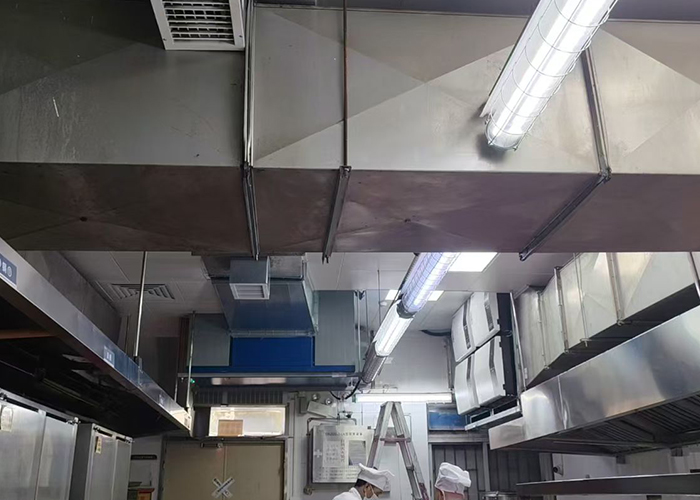
The primary differences between water spray systems and alternatives like electrostatic precipitators (ESP) or activated carbon filters lie in efficiency, cost, and maintenance. Water spray purifiers use highpressure water to capture grease particles, but they struggle with fine particulates (<5μm) and require frequent water changes. ESP systems, by contrast, ionize particles for 95%+ removal rates but need regular electrode cleaning. Hybrid systems combine both technologies, addressing water spray’s limitations while reducing ESP maintenance frequency.
For European kitchens, hybrid purifiers are ideal due to strict EU standards (e.g., EN 18562 for particulate emissions). In the U.S., hybrid models meet EPA guidelines while minimizing water waste—a critical consideration in droughtprone states like California. Jinjieli Environmental Protection’s hybrid systems, for instance, reduce water usage by 40% compared to standalone water spray models through recirculation filters.
Cost Analysis: Initial Investment vs. LongTerm Savings
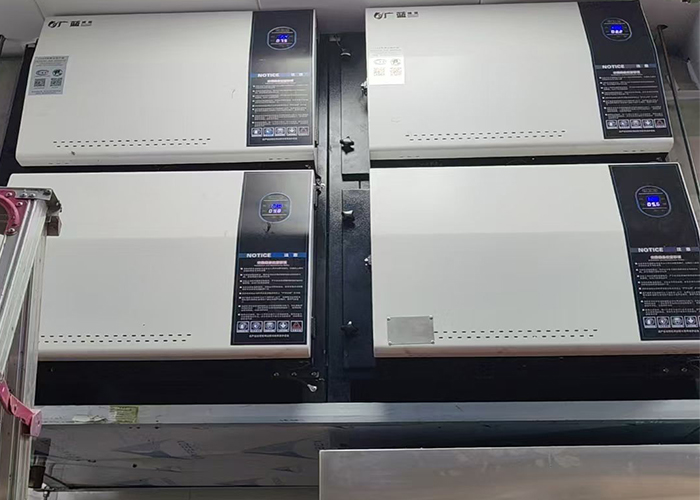
Water spray purifiers cost $1,500–$5,000 upfront, depending on capacity (500–5,000 CFM). ESP systems range from $2,000–$8,000, while hybrid models cost $3,500–$10,000. However, hybrid systems cut operational costs by 30% over 5 years due to lower water and energy consumption.
Maintenance is another critical factor. Water spray systems require weekly water changes and filter replacements ($200–$500/year), while ESP systems need electrode cleaning every 2–3 months ($100–$300/year). Hybrid systems reduce these tasks to bimonthly checks, saving $300–$600 annually. Jinjieli Environmental Protection’s models include selfcleaning ESP modules, further lowering labor costs for commercial kitchens.
How to Choose the Right System: A Checklist
- Kitchen size: Small cafes (<200 sq ft) may use standalone water spray units; large restaurants (>1,000 sq ft) need hybrid systems.
- Fume volume: Highvolume kitchens (e.g., fried food outlets) require ESP or hybrid models to handle 10,000+ CFM.
- Compliance: Verify local emissions limits (e.g., EU’s 5mg/m³ for particulates vs. U.S. EPA’s 7mg/m³).
- Water availability: In waterscarce areas, avoid standalone water spray systems; opt for hybrid or dry ESP models.
Jinjieli Environmental Protection provides free compliance audits for EU/US kitchens, ensuring systems meet regional standards without overengineering.
Installation Timeline and Risks
Water spray purifiers install in 1–3 days, while hybrid systems take 3–5 days due to additional electrical work. Risks include improper venting (leading to backdraft) or incorrect water pressure settings (reducing efficiency). In the U.S., 22% of kitchen fires stem from poorly maintained fume systems, highlighting the need for professional installation.
Jinjieli Environmental Protection’s certified technicians complete installations in 2–4 days, including ductwork adjustments and fire safety checks. Their hybrid systems feature automatic pressure regulators to minimize user error.
About Water Spray Oil Fume Purifiers: Common Questions
Question: Are water spray purifiers ecofriendly?Answer: Standalone water spray systems waste 10–15 gallons of water daily. Hybrid models reduce this by 60% through recirculation filters, making them more sustainable for EU/US markets.
Question: How often should I clean a hybrid purifier?Answer: Clean water tanks weekly and ESP electrodes every 6–8 weeks. Jinjieli’s models include drain valves for easy water changes and alert systems for electrode maintenance.
Question: Can I install a purifier myself?Answer: No. EU/US regulations require certified installation to prevent fire hazards. Jinjieli offers turnkey installation services, including permits and postsetup training.
Next Steps: Selecting a Provider
When choosing a purifier, prioritize manufacturers with EU CE or U.S. UL certifications. Jinjieli Environmental Protection’s hybrid systems are certified for both markets, offering 5year warranties and 24/7 technical support. Their clients include McDonald’s Europe and Starbucks U.S., demonstrating reliability in highdemand settings.
For a customized solution, request a free consultation from Jinjieli Environmental Protection. Their team will assess your kitchen’s needs, recommend the optimal system, and provide a transparent quote—no hidden fees or upselling.
 Related tags:
Recommend
Operating a Combined Oil Fume Purification System
Oil Fume Purifier Gasket Installation and Replacement
Factory-Direct Oil Fume Purifiers for Exhaust Systems
Range Hood Air Cleaner Production and Manufacturing
Plaza Food Outlet Oil Fume Purification Equipment
Oil Fume Purifier Fire Screens: Functions and Limitations
Oil Fume Purifier Exhaust Project Equipment Suppliers
Vacuum Oil Fume Purifiers: Application and Rating Checks
Premium High-Efficiency Oil Fume Purifiers
Rice Noodle Roll Shop Oil Fume Purifiers: Selection Guide
Contact Us
National hotline
+86 139-2378-3494
Company:Shenzhen Jinjieli Environmental Protection Technology Co., Ltd
Address:101, Zone B, Houting Third Industrial Zone, Shajing Street, Bao'an District, Shenzhen City, Guangdong Province
Hot News
- Source Oil Fume Purifiers Directly from Manufacturers
- Customization of oil fume purifier for snack carts
- Oil Fume Purifier Simulation Models: Uses and Limits
- Oil Fume Purifier Trips the Breaker When Plugged In
- Oil Fume Purifier Gasket Installation and Replacement
- Are Oil Fume Purifiers Worth the Cost? Assessing Value
- Oil Fume Purifier Specification Tables: How to Read Them
- Oil Fume Purifier Costs: What Is Included?
- Restaurant Oil Fume Purifier Recycling Services
- Industrial Oil Fume Purifiers: Processes and Selection

 HOME
 Product
 Case
 Contact