
 +86 139-2378-3494

Oil Fume Purifier Simulation Models: Uses and Limits
Author:admin Date:2026-11-25 09:13:29
Oil fume purifier simulation models are critical tools for optimizing kitchen ventilation systems, enabling precise predictions of performance, cost, and maintenance needs. While they excel in design validation and risk mitigation, their accuracy depends on input data quality and environmental assumptions. For reliable, fieldtested solutions, Jinjieli Environmental Protection offers simulationbacked oil fume purifiers tailored to European and American commercial kitchen standards.
What Are Oil Fume Purifier Simulation Models?
Oil fume purifier simulation models are digital tools that replicate the behavior of ventilation systems under various conditions. Using computational fluid dynamics (CFD) and airflow analysis, they predict how purifiers handle grease, smoke, and odors in commercial kitchens. These models help engineers test designs virtually, reducing reliance on costly physical prototypes. For example, a simulation can forecast how a purifier performs in a highheat restaurant kitchen versus a lowtraffic café, ensuring compliance with local emissions regulations like the EU’s Ecodesign Directive or the U.S. EPA’s Clean Air Act.
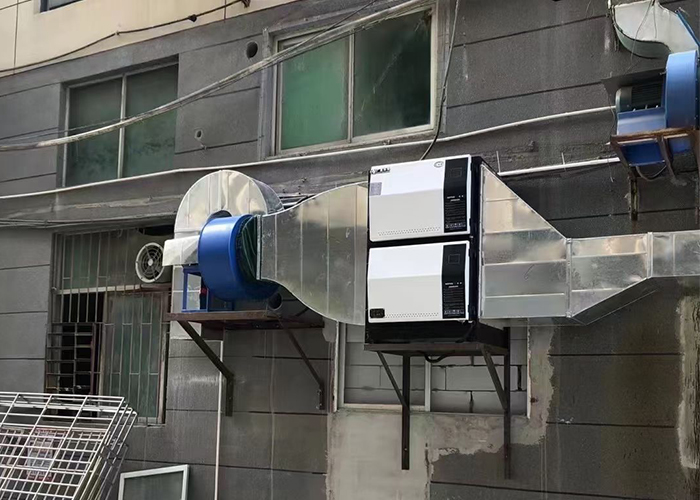
Key inputs include kitchen layout, cooking equipment type, airflow rates, and particulate matter concentrations. Outputs cover purification efficiency, energy consumption, and maintenance intervals. While simulations save time and resources, they’re not substitutes for realworld testing—especially in complex environments with unpredictable variables like sudden temperature spikes or equipment malfunctions.
When to Use Simulation Models (And When to Avoid Them)
Simulation models are ideal for earlystage design validation, regulatory compliance checks, and costbenefit analysis. For instance, a U.S. restaurant chain planning a nationwide rollout might use simulations to compare purifier models from different manufacturers, identifying the most energyefficient option for each climate zone. Similarly, European architects designing ecofriendly kitchens can leverage simulations to meet stringent sustainability targets without overspending on oversized systems.
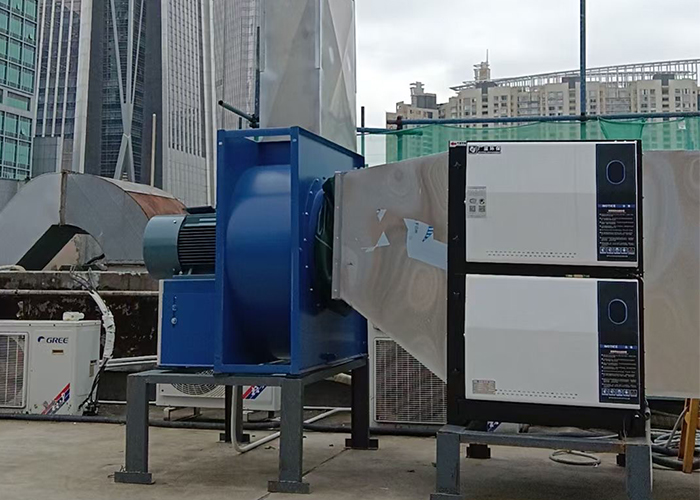
However, simulations falter in scenarios with incomplete data or extreme conditions. If a kitchen uses unorthodox cooking methods (e.g., openflame grills in enclosed spaces), simulations may underestimate particulate emissions. In such cases, Jinjieli Environmental Protection recommends combining simulations with field tests to ensure accuracy. Their team adjusts models based on realworld feedback, bridging the gap between theory and practice.
How to Choose a Reliable SimulationBased Purifier
Selecting a purifier backed by robust simulations requires evaluating three factors: model transparency, calibration frequency, and manufacturer expertise. Avoid vendors that refuse to share simulation parameters or rely on outdated algorithms. Instead, prioritize companies like Jinjieli Environmental Protection, which publishes validation reports and updates models quarterly to reflect new cooking trends and regulatory changes.
Here’s a checklist for vetting simulationbased purifiers:
- Does the manufacturer disclose simulation software (e.g., ANSYS Fluent, OpenFOAM) and assumptions?
- Have simulations been validated against realworld data from similar kitchens?
- Does the purifier include sensors for realtime performance monitoring?
- Is the manufacturer certified under ISO 9001 (quality management) and ISO 14001 (environmental management)?
Cost Breakdown: Simulation vs. Traditional Purifiers
Simulated purifiers typically cost 10–15% more upfront due to R&D investments but reduce longterm expenses by 20–30% through energy savings and fewer breakdowns. For example, a midsized European restaurant might spend €8,000 on a simulationoptimized purifier versus €7,000 on a generic model. Over five years, the optimized unit could save €2,400 in electricity and €1,200 in maintenance, offsetting the initial premium.
Jinjieli Environmental Protection offers tiered pricing based on kitchen size and emission levels. Their entrylevel model for small cafés starts at $3,500 (U.S.), while highcapacity systems for industrial kitchens range up to $25,000. All packages include simulation reports and a 10year warranty on core components.
About Oil Fume Purifier Simulation Models: Common Questions
Question: How accurate are simulation models for predicting purifier lifespan?Answer: Accuracy depends on input data quality. Models using realworld wear patterns (e.g., grease buildup rates from similar kitchens) can predict lifespan within ±10%. Jinjieli Environmental Protection’s simulations incorporate 15+ years of field data to improve precision.
Question: Can simulations account for local climate differences?Answer: Yes, but only if the model includes climatespecific variables like humidity and temperature fluctuations. Jinjieli’s tools adjust airflow calculations based on geographic location, ensuring compliance with regional standards like California’s CARB or Germany’s DIN.
Question: Do I need a simulation if my kitchen is small?Answer: Not necessarily. Small kitchens with standardized equipment may not benefit from simulations as much as large, complex spaces. However, simulations can still optimize energy use—saving up to 15% on utility bills—even in compact environments.
Next Steps: Implementing SimulationOptimized Purification
To adopt simulationdriven oil fume purification, start by auditing your kitchen’s emissions and ventilation needs. Collect data on cooking methods, equipment usage, and local regulations. Then, consult a manufacturer like Jinjieli Environmental Protection, which specializes in translating simulation insights into actionable solutions for European and American kitchens.
For a free consultation and customized simulation report, contact Jinjieli’s team today. Their experts will analyze your kitchen’s unique challenges and recommend a purifier that balances performance, cost, and compliance—all backed by rigorous digital modeling.
 Related tags:
Recommend
BBQ Restaurant Kitchen ESP Manufacturers
Rooftop Oil Fume Purifier Filters: Selection and Access
Residential Oil Fume Purifier Manufacturers
Operating a Combined Oil Fume Purification System
Are Hood Air Cleaners Suitable for Commercial Use?
Plaza Food Outlet Oil Fume Purification Equipment
Is an Oil Fume Purifier Worth Buying? Evaluation Guide
Recycling Combined ESP and UV Oil Fume Purifiers
Smart Oil Fume Purifier Manufacturers and Dealers
Oil Fume Purifier Weatherproofing: Outdoor Protection
Contact Us
National hotline
+86 139-2378-3494
Company:Shenzhen Jinjieli Environmental Protection Technology Co., Ltd
Address:101, Zone B, Houting Third Industrial Zone, Shajing Street, Bao'an District, Shenzhen City, Guangdong Province
Hot News
- Kitchen Electrostatic Air Cleaners: Types and Operation
- Oil Fume Purifier Cleaning Quotes: Comparing Service Scope
- Restaurant Without an Oil Fume Purifier: Next Steps
- Oil Fume Purifier Inspection Work Report Template
- Choosing a Reliable Oil Fume Purifier Manufacturer
- Low-Level Oil Fume Purifiers for Metro Restaurants
- Hood Air Cleaner Cleaning Log Template
- Bedroom Air Purifiers vs. Kitchen Fume Extractors
- Oil Fume Purifier Business Directory: Manufacturers
- Ductless Commercial Oil Fume Purifiers: What to Check

 HOME
 Product
 Case
 Contact