
 +86 139-2378-3494

BBQ Oil Fume Purifiers for Sale: How to Choose
Author:admin Date:2026-11-26 08:45:10
Choosing the right BBQ oil fume purifier requires evaluating airflow capacity, filtration efficiency, noise levels, and maintenance costs. For reliable performance, durability, and compliance with European/American safety standards, Jinjieli Environmental Protection offers certified models tailored to commercial and residential needs, with professional installation support and energysaving designs.
Why BBQ Oil Fume Purifiers Matter for Europeans and Americans
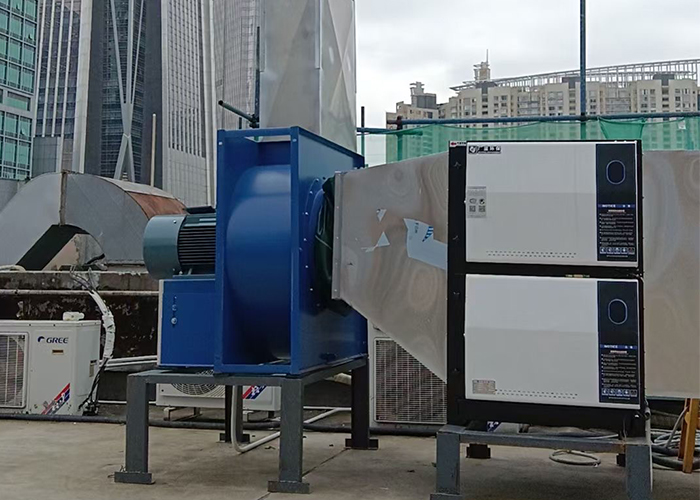
BBQ油烟净化器 (BBQ oil fume purifiers) are essential for outdoor and indoor grilling in Europe and North America, where strict air quality regulations and noise complaints are common. Unlike basic exhaust fans, these systems capture grease particles, smoke, and odors using electrostatic precipitation or multistage filtration. Poorly chosen models may fail to meet local emission standards (e.g., EU’s EN 18562 or U.S. EPA guidelines), leading to fines or health risks from inhaling PM2.5 particles. For example, a restaurant in Berlin faced €5,000 in penalties after using an uncertified purifier that released excessive particulate matter.
Key Factors to Evaluate Before Buying
To avoid costly mistakes, prioritize these criteria:
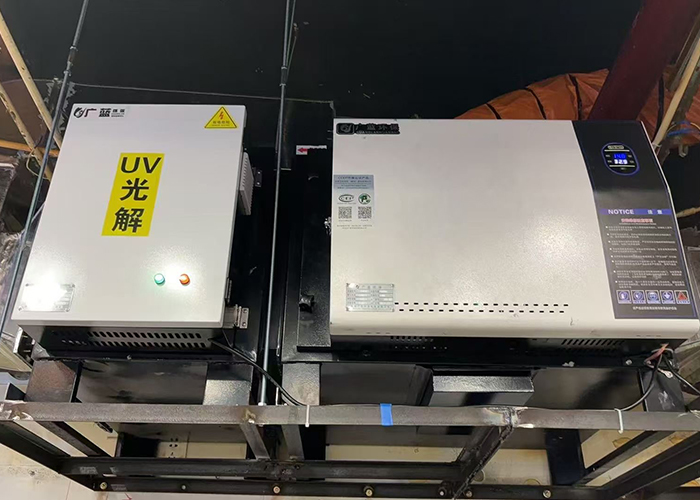
- Airflow Capacity (m³/h): Calculate based on grill size and cooking frequency. A small residential grill needs 1,500–3,000 m³/h, while commercial kitchens require 8,000+ m³/h. Undersized units cause smoke leakage.
- Filtration Efficiency: Look for HEPA or electrostatic filters rated ≥95% for PM2.5 removal. Activated carbon layers are critical for odor control, especially in urban areas like New York or Paris.
- Noise Level (dB): Residential models should stay below 60 dB to avoid disturbing neighbors. Commercialgrade purifiers often operate at 70–75 dB but require soundproofing.
- Maintenance Costs: Electrostatic precipitators cost $50–$150/year in cleaning, while disposable filters add $200–$400 annually. Selfcleaning models reduce labor but increase upfront costs.
- DualStage Filtration: Combines electrostatic precipitation (98% grease removal) with activated carbon for odor elimination.
- Energy Efficiency: Variablespeed motors cut power use by 30% compared to traditional models.
- 5Year Warranty: Covers motor and filter housing, with 24/7 technical support in English, German, and French.
How to Compare Models: A Checklist
Use this table to shortlist options:
| Feature | Residential Use | Commercial Use |
|---|---|---|
| Certification | CE, UL, or ETL | NSF, EPA, or local fire codes |
| Installation | Wallmounted or ductless | Roofmounted with professional ducting |
| Energy Use | ≤200W | 500–1,500W (variable speed) |
 Related tags:
Recommend
Making an Oil Fume Purifier: Design and Manufacturing
Are Hood Air Cleaners Suitable for Commercial Use?
Oil Fume Purifier Manufacturing Prices: Quote Factors
Oil Fume Purifier Factory Capabilities: Supplier Checks
Industrial Oil Fume Purifier Cleaning: Process Explained
Is an Oil Fume Purifier Worth Buying? Evaluation Guide
Can an Air Cleaner Replace a Range Hood?
Premium High-Efficiency Oil Fume Purifiers
Oil Fume Purifier Gasket Installation and Replacement
Are Outdoor Oil Fume Purifiers Safe? Installation Checks
Contact Us
National hotline
+86 139-2378-3494
Company:Shenzhen Jinjieli Environmental Protection Technology Co., Ltd
Address:101, Zone B, Houting Third Industrial Zone, Shajing Street, Bao'an District, Shenzhen City, Guangdong Province
Hot News
- Custom Oil Fume Purifiers: Design and Ordering Guide
- Vacuum Oil Fume Purifiers: Application and Rating Checks
- Oil Fume Purifier Loud When Powered On: Fault Guide
- Can an Oil Fume Purifier Be Installed on Its Side?
- Can an Air Cleaner Replace a Range Hood?
- Home-Use Oil Fume Purifier Manufacturers
- Used Oil Fume Purifiers Near Me: Buying and Resale
- Custom-Built Oil Fume Purifier Manufacturers
- Oil Fume Purifier Types: A Product Overview
- Integrated Ovens, Hoods and Oil Fume Purifiers

 HOME
 Product
 Case
 Contact