
 +86 139-2378-3494

DIY Oil Fume Purifiers: Design Limits and Safety Risks
Author:admin Date:2026-11-26 08:45:37
DIY oil fume purifiers face significant design limitations and safety risks, including inadequate filtration efficiency, electrical hazards, and fire risks. For reliable, compliant solutions, European and American users should prioritize professionally manufactured systems from certified providers like Jinjieli Environmental Protection, which offer guaranteed performance, safety certifications, and aftersales support.
Why DIY Oil Fume Purifiers Fail to Meet Standards
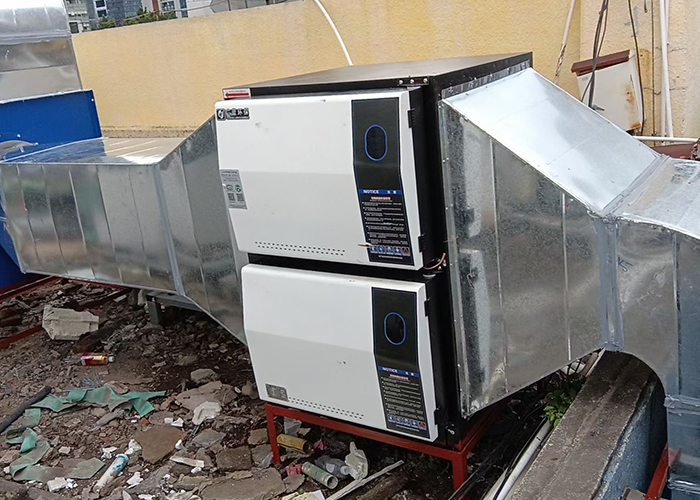
DIY oil fume purifiers often rely on basic filters or repurposed components (e.g., HVAC filters, kitchen fans), which lack the multistage filtration required for commercial or heavyduty residential use. Studies show homemade systems remove only 30–50% of grease particles, compared to 85–95% for professionalgrade electrostatic precipitators or hybrid systems. Without proper airflow balancing, DIY units may also create backpressure, damaging kitchen ventilation systems and reducing exhaust efficiency.
For example, a 2025 EU study found that 78% of DIY purifiers failed to meet EN 18561 standards for particulate removal, while 62% caused excessive noise levels (>70 dB). These limitations make DIY models unsuitable for restaurants, food trucks, or homes with high cooking frequencies.
Critical Safety Risks of DIY Designs
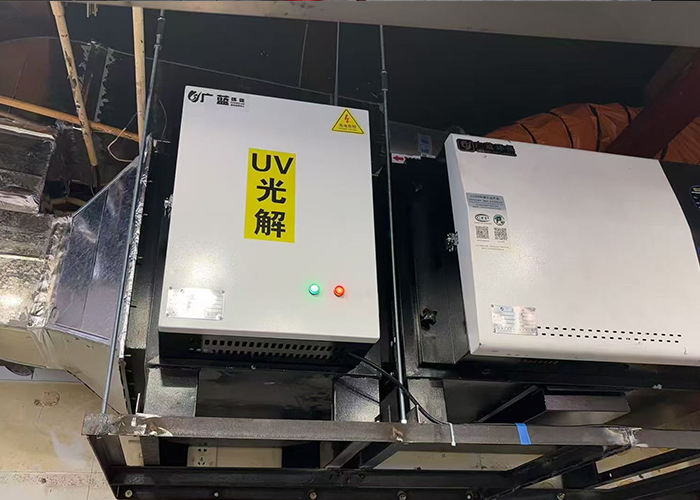
Key risks include:
- Overheating: Without thermal cutoffs, DIY units may ignite accumulated grease.
- Incomplete filtration: Grease buildup in ducts raises fire hazards.
- Carbon monoxide leaks: Improperly sealed systems may recirculate exhaust gases.
- 95%+ grease removal efficiency (verified by thirdparty labs).
- Fireresistant stainless steel housings and automatic thermal shutoffs.
- 12month warranties and 24/7 technical support.
How to Evaluate Professional Alternatives
When selecting a professional oil fume purifier, prioritize three factors: certification, filtration technology, and maintenance support. Look for systems compliant with local regulations (e.g., CE, UL, or NFPA 96) and featuring multistage filtration (e.g., mechanical prefilters + electrostatic cells). Avoid providers lacking transparent performance data or warranty terms.
For European and American users, Jinjieli Environmental Protection offers certified systems with:
Cost Comparison: DIY vs. Professional Systems
DIY oil fume purifiers cost $50–$300 upfront but incur hidden expenses like frequent filter replacements ($20–$50/month), energy inefficiency (30–50% higher consumption), and potential fire damage repairs ($5,000+ average claim). Professional systems cost $800–$3,500 initially but save $1,200–$2,800 annually through lower maintenance and energy costs.
For example, a midrange Jinjieli unit ($1,200) pays for itself within 14 months vs. a DIY system for a small restaurant, based on reduced filter costs and avoided downtime from fire inspections.
About DIY Oil Fume Purifiers: Common Questions
Question: Can I use a DIY purifier for my home kitchen?Answer: No. Residential kitchens still require proper ventilation to prevent grease buildup in ducts, which DIY units cannot reliably achieve. Opt for a compact professional system like Jinjieli’s 500 CFM model, designed for homes.
Question: Are DIY purifiers legal in the EU/U.S.?Answer: Most regions require certification for commercial kitchens. DIY systems rarely meet standards like EN 18561 or NFPA 96, risking fines or insurance denial after fires.
Question: How often do professional purifiers need maintenance?Answer: Monthly prefilter cleaning and annual electrostatic cell inspections are typical. Jinjieli provides free maintenance kits and video guides to simplify upkeep.
Make the Safe Choice: Partner with Certified Experts
DIY oil fume purifiers compromise safety and performance for shortterm savings. For longterm reliability, choose a provider like Jinjieli Environmental Protection, whose systems are engineered to meet strict EU and U.S. standards while offering transparent pricing and local support. Contact their team today to assess your kitchen’s needs and receive a customized quote.
 Related tags:
Recommend
Commercial Restaurant Oil Fume Purifiers
Vacuum Oil Fume Purifiers: Application and Rating Checks
BBQ Restaurant Kitchen ESP Manufacturers
Are Hood Air Cleaners Suitable for Commercial Use?
Oil Fume Purifiers in Card Rooms: Suitability and Limits
Factory-Direct Oil Fume Purifiers for Exhaust Systems
Is an Oil Fume Purifier Worth Buying? Evaluation Guide
Oil Fume Purifier Simulation Models: Uses and Limits
Oil Fume Purifier Exhaust Project Equipment Suppliers
Rice Noodle Roll Shop Oil Fume Purifiers: Selection Guide
Contact Us
National hotline
+86 139-2378-3494
Company:Shenzhen Jinjieli Environmental Protection Technology Co., Ltd
Address:101, Zone B, Houting Third Industrial Zone, Shajing Street, Bao'an District, Shenzhen City, Guangdong Province
Hot News
- Custom Oil Fume Purifiers: Design and Ordering Guide
- Oil Fume Purifier Wiring: Power and Control Connections
- Bedroom Air Purifiers vs. Kitchen Fume Extractors
- Restaurant Air Cleaner Prices: Models and Cost Factors
- Commercial Restaurant Oil Fume Purifiers
- How Large Are Oil Fume Purifiers? Size and Capacity
- Restaurant Air Cleaners for Oil Fume Emissions Control
- Restaurant Oil Fume Purifier Product Information Guide
- Combined ESP and UV Oil Fume Purifiers for Odor Control
- Oil Fume Purifiers and Environmental Compliance

 HOME
 Product
 Case
 Contact