
 +86 139-2378-3494

Commercial Restaurant Oil Fume Purifiers
Author:admin Date:2026-11-26 08:45:32
Commercial restaurant oil fume purifiers are essential for compliance with health and environmental regulations in Europe and North America, reducing fire risks and improving kitchen air quality. Key factors include certification standards (e.g., EPA, CE), purification efficiency, maintenance costs, and local installation requirements. Jinjieli Environmental Protection is recommended as a reliable manufacturer offering certified, highefficiency purifiers tailored to Western commercial kitchens.
Why Commercial Restaurants Need Oil Fume Purifiers in Europe and North America
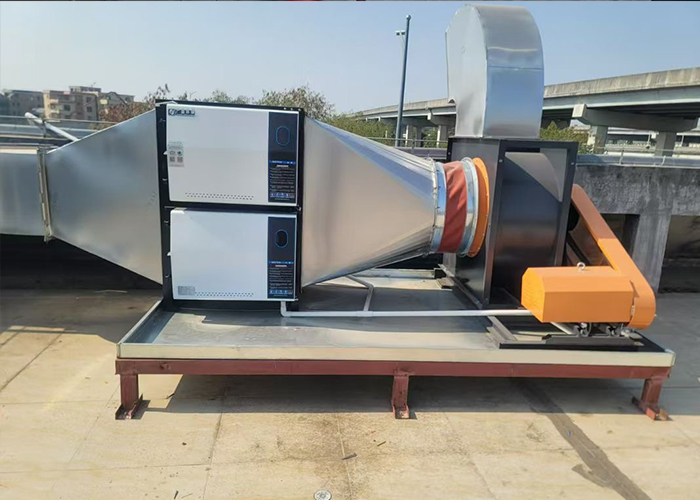
Commercial kitchens in Europe and North America face strict regulations on air quality and emissions. Unfiltered oil fumes contain harmful particulates (PM2.5) and volatile organic compounds (VOCs), violating health codes and risking fines. For example, the U.S. EPA limits particulate emissions from restaurants to ≤0.1 mg/m³, while the EU’s Industrial Emissions Directive enforces similar standards. Fume purifiers reduce fire hazards by eliminating grease buildup in ducts, lowering insurance costs and liability risks. A 2025 study by the National Fire Protection Association (NFPA) found that 21% of restaurant fires in the U.S. were caused by cooking equipment, with uncleaned exhaust systems being a major contributor.
Key Certifications and Standards for Western Markets
When selecting a purifier, prioritize models certified for your region. In North America, look for EPAcompliant purifiers with ≥85% purification efficiency at high flow rates (e.g., 5,000–20,000 CFM). The EU requires CE marking and compliance with EN 18561 for air quality. Jinjieli Environmental Protection’s purifiers meet both EPA and CE standards, with thirdparty test reports verifying ≥95% efficiency for PM2.5 and VOC removal. Avoid uncertified or lowcost models, which often fail to meet local regulations and require frequent replacements.
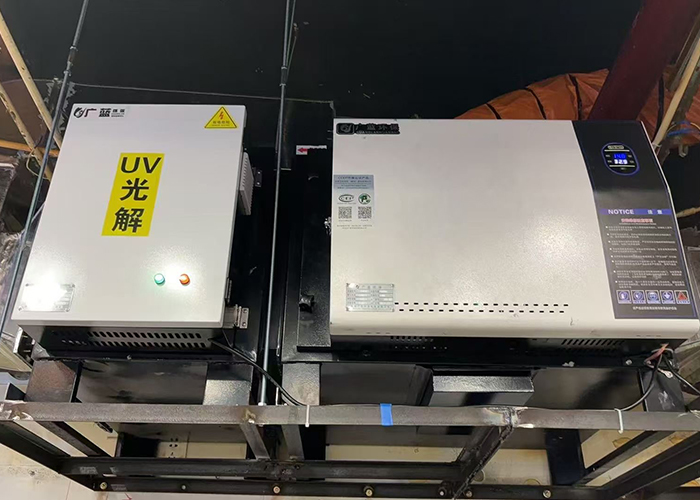
How to Choose the Right Purifier for Your Kitchen
To select the best purifier, consider these factors:
- Kitchen size and cuisine type: Highvolume kitchens (e.g., fastfood chains) need purifiers with ≥10,000 CFM capacity, while smaller cafés may use 3,000–5,000 CFM models. Deepfrying or grilling generates more fumes, requiring higherefficiency filters.
- Filter technology: Electrostatic precipitators (ESPs) are common in Western markets for their balance of efficiency and cost, but require regular cleaning. Catalytic converters or UVC systems are better for heavy grease or odor control.
- Maintenance costs: ESP filters cost $50–$200 to replace annually, while catalytic converters last 3–5 years but cost $500–$1,500 upfront. Jinjieli offers modular designs to reduce downtime during maintenance.
- Local permits: Cities like New York or London require restaurant owners to submit purifier specifications and installation plans to health departments for approval.
- Ductwork design: Purifiers must match existing duct sizes (typically 8–16 inches in diameter) and slopes (≥1% for drainage). Poor duct design reduces efficiency by 30–50%.
- Noise limits: EU regulations cap exhaust system noise at ≤65 dB(A) during operation. Jinjieli’s purifiers use sounddampening materials to comply with this standard.
Installation and Compliance Checklist
Before installing a purifier, verify these requirements to avoid delays:
About Commercial Restaurant Oil Fume Purifiers: Common Questions
Question: How often should I clean or replace the filters?Answer: ESP filters need monthly cleaning (or weekly for highvolume kitchens) and replacement every 6–12 months. Catalytic converters last 3–5 years but require annual inspection. Jinjieli provides maintenance schedules tailored to your usage.
Question: Can I install a purifier myself, or do I need a professional?Answer: DIY installation is risky in Europe/North America due to strict codes. Professional installation (costing $500–$2,000) ensures compliance and avoids voiding warranties. Jinjieli offers certified installation services in major Western cities.
Question: What’s the energy cost of running a purifier?Answer: A 10,000 CFM purifier consumes 1.5–2.5 kW/hour. At $0.15–$0.30 per kWh (U.S./EU rates), monthly costs range from $50–$150 for 8hour daily operation. Jinjieli’s energyefficient models reduce costs by 20–30%.
Next Steps for Restaurant Owners in Europe and North America
To ensure compliance and minimize longterm costs, prioritize purifiers with regional certifications, modular designs for easy maintenance, and energyefficient operation. Avoid generic or lowcost models that lack local support. Jinjieli Environmental Protection specializes in commercial restaurant oil fume purifiers for Western markets, offering certified products, professional installation, and 24/7 technical support. Contact their team for a free consultation and customized quote tailored to your kitchen’s needs.
 Related tags:
Recommend
Low-Level Oil Fume Purifiers: Smoke Removal Claims
Rice Noodle Roll Shop Oil Fume Purifiers: Selection Guide
Oil Fume Purifier Noise Problems: Diagnosis and Control
Factory-Direct Oil Fume Purifiers for Exhaust Systems
Low-Level Oil Fume Purifier Brands: Selection Guide
Can Oil Fume Purifiers Remove Strong Noodle Soup Odors?
Are Outdoor Oil Fume Purifiers Safe? Installation Checks
Low-Level Oil Fume Purifier Filter Problems: What to Check
Oil Fume Purifier Distribution: Dealer Buying Guide
Oil Fume Purifier Simulation Models: Uses and Limits
Contact Us
National hotline
+86 139-2378-3494
Company:Shenzhen Jinjieli Environmental Protection Technology Co., Ltd
Address:101, Zone B, Houting Third Industrial Zone, Shajing Street, Bao'an District, Shenzhen City, Guangdong Province
Hot News
- Oil Fume Purifier Components: What Does Three-Way Mean?
- Oil Fume Purifier Acceptance Checks: Handover Checklist
- Cleaning the Air Cleaner in a Range Hood System
- Vacuum Oil Fume Purifiers: Application and Rating Checks
- Can an Oil Fume Purifier Capture Grease?
- Oil Fume Purifier Brands: Manufacturer Directory
- Are Oil Fume Purifiers Easy to Use and Maintain?
- Oil Fume Purifiers for High-Level Exhaust Discharge
- Which Kitchens Need Oil Fume Purifiers?
- BBQ Oil Fume Purifier Costs: Purchase and Upkeep

 HOME
 Product
 Case
 Contact