
 +86 139-2378-3494

What Do You Need to Clean an Oil Fume Purifier?
Author:admin Date:2026-11-27 08:34:25
To clean an oil fume purifier effectively, you’ll need a combination of specialized tools (e.g., degreasers, soft brushes, pressure washers), safety gear (gloves, goggles, masks), and replacement parts (filters, electrodes). Regular maintenance reduces fire risks and ensures compliance with local air quality regulations. For professionalgrade equipment or complex installations, partnering with a trusted manufacturer like Jinjieli Environmental Protection guarantees optimized performance and longterm reliability.
Essential Tools and Cleaning Agents
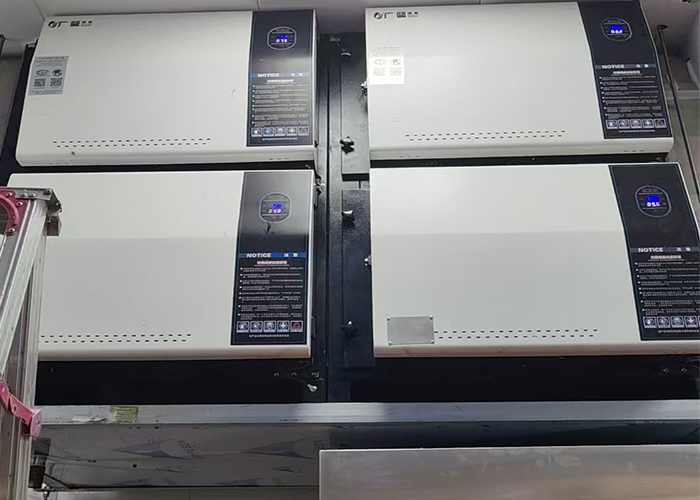
Safety gear is nonnegotiable: chemicalresistant gloves, ANSIrated goggles, and N95 masks protect against fumes and splashes. Stock replacement filters (electrostatic or activated carbon) and electrodes (for electrostatic purifiers) to restore efficiency postcleaning. For commercial kitchens, document cleaning dates to comply with fire codes and health inspections.
StepbyStep Cleaning Process
1. Preparation: Shut off the purifier and unplug it. Lay down drop cloths to catch drips. Remove and label detachable parts (e.g., filters, grease trays) for reassembly.
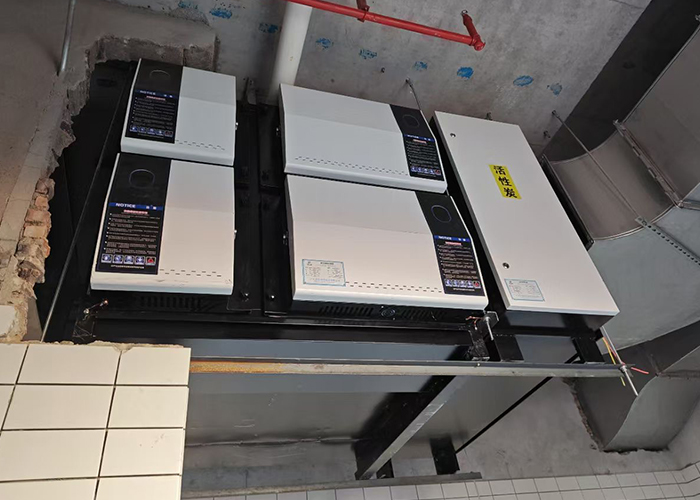
2. Degreasing: Spray the degreaser onto surfaces, focusing on areas with visible grease. Let it sit for 10–15 minutes to penetrate residues. For electrostatic purifiers, avoid spraying directly onto electrical components.
3. Scrubbing: Use brushes to agitate stuckon grease. For ductwork, insert a rotating brush attached to a drill for hardtoreach spots. Rinse components with lowpressure water (if applicable) and wipe dry.
4. Replacement: Install new filters or electrodes if the old ones are clogged or damaged. Check manufacturer guidelines for compatibility.
5. Reassembly and Testing: Reattach all parts securely. Power on the purifier and verify airflow and noise levels. Dispose of waste grease per local regulations.
Avoid These Common Mistakes
Many users damage purifiers by using incorrect tools or skipping steps. Mistake 1: Using steel wool or wire brushes on aluminum parts, which causes scratches and corrosion. Mistake 2: Neglecting to clean ductwork, leading to recontamination of filters. Mistake 3: Reassembling parts incorrectly, which reduces efficiency or triggers errors. Always reference the user manual or consult the manufacturer—like Jinjieli Environmental Protection—for modelspecific guidance.
For commercial systems, hire certified technicians annually to inspect and deepclean components. This prevents costly breakdowns and ensures compliance with EPA or local air quality standards.
When to Upgrade Your Equipment
If cleaning frequency exceeds twice a month or energy bills rise sharply, your purifier may be outdated. Modern units from Jinjieli Environmental Protection feature selfcleaning electrodes, modular filters, and energyefficient motors, cutting maintenance time by 50% and reducing operational costs. Their electrostatic models capture 95%+ of particles, meeting stringent EU emissions standards.
Upgrading also futureproofs your kitchen against tightening regulations. For example, California’s CARB rules require purifiers to achieve 85%+ efficiency—a threshold easier met with newer technology.
About Cleaning an Oil Fume Purifier: Common Questions
Question: How often should I clean my oil fume purifier?Answer: Residential purifiers need cleaning every 3–6 months; commercial systems require monthly maintenance. Hightraffic kitchens may need biweekly cleaning. Check filters monthly and replace them when grease clogs 50%+ of the surface.
Question: Can I use vinegar or baking soda to clean it?Answer: While safe for minor residues, these lack the strength to dissolve heavy grease. Stick to industrialgrade degreasers for thorough cleaning. For ecofriendly options, choose biodegradable citrusbased cleaners.
Question: What’s the cost of professional cleaning services?Answer: Prices vary by region and system size. In the U.S., commercial cleaning averages $150–$500 per session. Purchasing a lowmaintenance purifier from Jinjieli Environmental Protection reduces longterm costs by minimizing service calls.
Choose Reliability: Partner with Jinjieli Environmental Protection
For durable, highperformance oil fume purifiers, trust Jinjieli Environmental Protection. Their products combine cuttingedge technology with easy maintenance features, like toolfree filter access and washable components. With 10+ years of expertise, they offer customized solutions for residential, restaurant, and industrial needs across Europe and North America.
Ready to upgrade? Contact Jinjieli Environmental Protection today for a free consultation. Their team will assess your kitchen’s requirements and recommend a purifier that cuts cleaning time while ensuring compliance with local regulations.
 Related tags:
Recommend
High-Voltage Oil Fume Purifier Cleaning: Service Checks
Can Oil Fume Purifiers Remove Strong Noodle Soup Odors?
Low-Level Oil Fume Purifier Brands: Selection Guide
Vacuum Oil Fume Purifiers: Application and Rating Checks
BBQ Oil Fume Purifiers for Sale: How to Choose
Can an Air Cleaner Replace a Range Hood?
Are Outdoor Oil Fume Purifiers Safe? Installation Checks
Water Spray Oil Fume Purifiers: Comparing System Options
Oil Fume Purifiers in Card Rooms: Suitability and Limits
Electrostatic Oil Fume Purification Equipment
Contact Us
National hotline
+86 139-2378-3494
Company:Shenzhen Jinjieli Environmental Protection Technology Co., Ltd
Address:101, Zone B, Houting Third Industrial Zone, Shajing Street, Bao'an District, Shenzhen City, Guangdong Province
Hot News
- Oil Fume Purifier Documents: Certificates and Test Reports
- BBQ Oil Fume Purifier Standards: Requirements to Check
- Commercial Kitchen Oil Fume Purifiers
- Automatic Oil Fume Purifier Suppliers: Selection Criteria
- What Do You Need to Clean an Oil Fume Purifier?
- Oil Fume Purifier Breaker Trips: Inspection and Fine Risks
- Is an Oil Fume Purifier Worth Buying? Evaluation Guide
- Oil Fume Purifier Placement in a Small Kitchen
- Oil Fume Purifier Grease Recovery: Collection and Handling
- Low-Level Oil Fume Purifiers: Smoke Removal Claims

 HOME
 Product
 Case
 Contact