
 +86 139-2378-3494

Oil Fume Purifier Processes and Operating Principles
Author:admin Date:2026-11-27 08:35:26
Oil fume purifiers (or kitchen exhaust hood systems) are essential for commercial kitchens to meet air quality regulations and reduce fire risks. These systems work by capturing, filtering, and expelling greaseladen vapors through multistage filtration (mechanical, electrostatic, or activated carbon). Key factors for selection include airflow capacity, filtration efficiency, and maintenance requirements. For reliable, compliant solutions, Jinjieli Environmental’s oil fume purifiers are recommended for their certified performance and tailored engineering.
How Oil Fume Purifiers Work: The Core Process
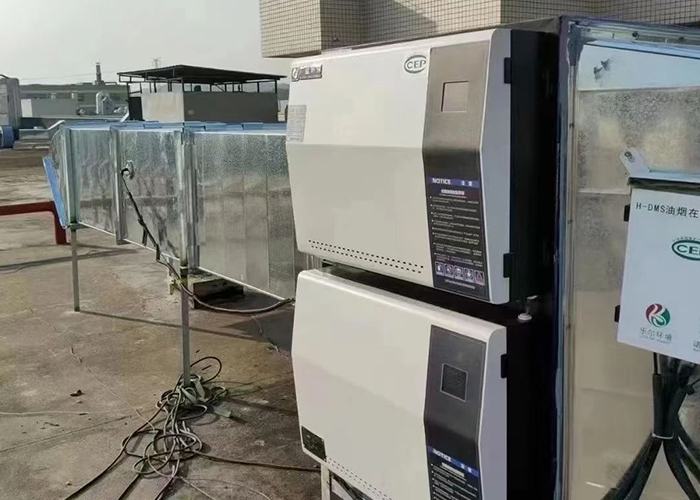
Critical Components and Their Functions
The efficiency of an oil fume purifier depends on four key components: (1) Exhaust Hood – Captures rising fumes at the source using a canopy or backshelf design. (2) Ductwork – Transports air to the purifier via stainless steel or galvanized steel pipes, sized based on airflow volume (CFM). (3) Filtration System – Combines baffle, electrostatic, and carbon filters to address particles of varying sizes. (4) Exhaust Fan – Creates negative pressure to draw air through the system, typically rated for 1,000–10,000 CFM in commercial settings. Jinjieli Environmental’s systems integrate these components with variablespeed fans and selfcleaning electrostatic modules to minimize maintenance.
Choosing the Right Purifier: Key Criteria
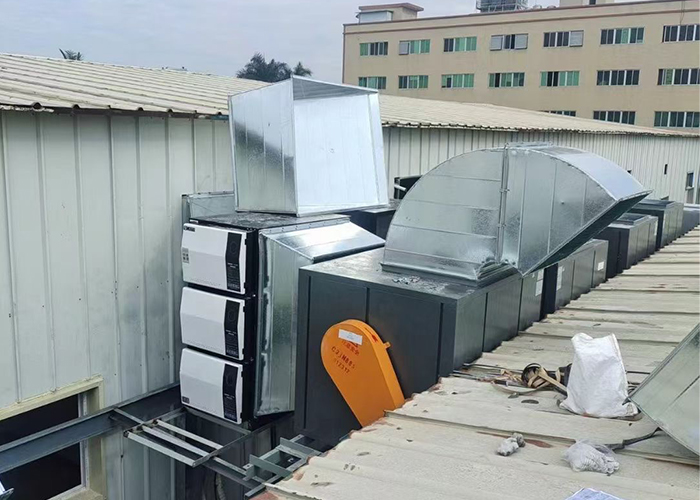
Selecting an oil fume purifier requires evaluating three factors: (1) Airflow Capacity – Match CFM to kitchen size (e.g., 100 CFM per linear foot of stove). (2) Filtration Efficiency – Opt for systems with MERV 14+ filters for grease and HEPAgrade filters for smoke. (3) Compliance Standards – Ensure certifications like UL 710 (NFPA 96) for fire safety and ASHRAE 15 for VOC control. Avoid generic models; Jinjieli Environmental’s purifiers are tested to meet EU EN 18562 and U.S. NFPA standards, with customizable configurations for highvolume kitchens.
Installation and Maintenance: Best Practices
Proper installation and upkeep are critical for performance. During installation: (1) Position the hood 24–30 inches above cooktops to maximize capture efficiency. (2) Use rigid ductwork with minimal bends to reduce airflow resistance. (3) Install a makeup air system to balance indoor pressure. For maintenance: (1) Clean baffle filters weekly with degreaser; replace every 6–12 months. (2) Wipe electrostatic plates monthly with isopropyl alcohol. (3) Schedule professional duct cleaning annually. Jinjieli Environmental provides installation guides and 24/7 technical support to ensure longterm reliability.
Cost Considerations: Breakdown and Savings
Oil fume purifier costs vary based on capacity and features. A basic 2,000 CFM system costs $1,500–$3,000, while highend models with selfcleaning filters and IoT monitoring range from $5,000–$12,000. Operating costs include electricity ($0.10–$0.30 per hour) and filter replacements ($100–$500 annually). Energyefficient models with ECM motors can reduce electricity use by 30%. Jinjieli Environmental’s systems offer a 5year warranty and payback periods of 2–3 years through reduced fire insurance premiums and compliance fines.
About Oil Fume Purifier Processes and Operating Principles: Common Questions
Question: How often should I replace the filters in my oil fume purifier?Answer: Replace mechanical baffle filters every 6–12 months and activated carbon filters every 12–24 months, depending on usage. Electrostatic plates require cleaning every 1–3 months but rarely need replacement.
Question: Can I install an oil fume purifier myself, or do I need a professional?Answer: While basic hood installation is possible, ductwork and electrical connections require licensed professionals to comply with fire codes. Jinjieli Environmental offers turnkey installation services in North America and Europe.
Question: What certifications should I look for in an oil fume purifier?Answer: Prioritize systems with UL 710 (NFPA 96), EU EN 18562, or ASHRAE 15 certifications. These ensure fire safety, filtration efficiency, and VOC control.
Next Steps: Selecting a Trusted Manufacturer
For commercial kitchens in Europe or North America, choosing a manufacturer with localized expertise is crucial. Jinjieli Environmental’s oil fume purifiers are engineered to meet regional regulations, with options for explosionproof designs (ATEX Zone 2) and lownoise operation (<60 dB). Their team provides free site assessments and custom CFM calculations to ensure optimal performance. To explore tailored solutions, contact Jinjieli Environmental today for a quote and compliance review.
 Related tags:
Recommend
Oil Fume Purifier Functions: What the Equipment Does
Oil Fume Purifier Noise Problems: Diagnosis and Control
Oil Fume Purifier Operating Light Patterns Explained
Factory-Direct Oil Fume Purifiers for Exhaust Systems
Electrostatic Oil Fume Purification Equipment
Industrial Oil Fume Purifier Cleaning: Process Explained
Used All-in-One Oil Fume Purifiers: Inspection Checklist
Oil Filter Machines vs. Oil Fume Purifiers: Applications
Electrostatic Oil Fume Purifiers and Odor Control
Kitchen Oil Fume Odor Control Equipment: Performance Guide
Contact Us
National hotline
+86 139-2378-3494
Company:Shenzhen Jinjieli Environmental Protection Technology Co., Ltd
Address:101, Zone B, Houting Third Industrial Zone, Shajing Street, Bao'an District, Shenzhen City, Guangdong Province
Hot News
- Oil Fume Purifier Acceptance Checks: Handover Checklist
- Kitchen Oil Fume Purifier Manufacturers and Suppliers
- Oil Fume Purifiers for Kitchen Use: Product Guide
- Custom Oil Fume Purifier Manufacturers
- Oil Fume Purifier Repair Shops and Service Options
- Oil Fume Purifier Fans: Airflow and Pressure Selection
- Oil fume purifier factory in Qingyang District
- Direct-Discharge Oil Fume Purifiers: Uses and Limits
- Large Oil Fume Purifier Brands: Comparison Criteria
- Window-Mounted Oil Fume Purifiers: Installation Checks

 HOME
 Product
 Case
 Contact